




2023
Tirzepatide Redefines Metabolic Care
Global event
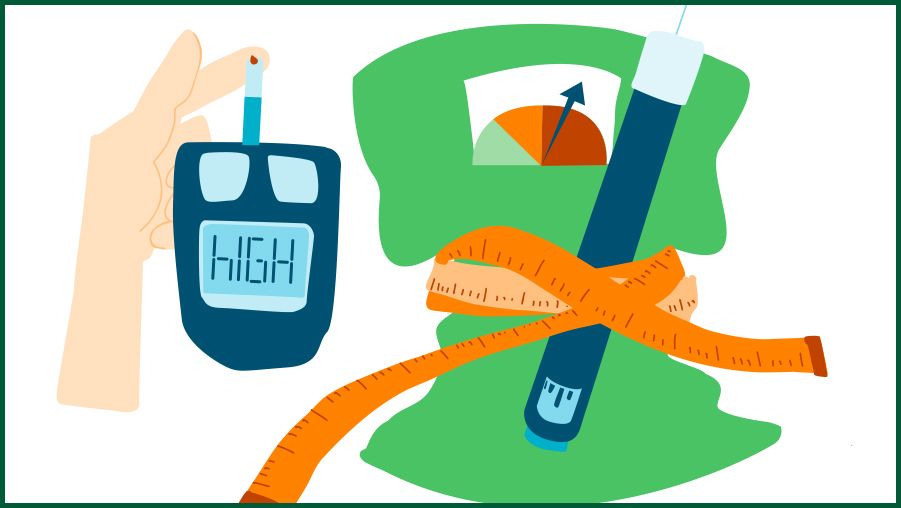
In 2023, the world took notice of Tirzepatide, a once-weekly injectable medication, initially developed for type 2 diabetes. The compound’s developer, Eli Lily, markets it under the name Mounjaro for diabetes and Zepbound for weight loss, quickly becoming a game-changer in the industry. The medication belongs to a new class of drugs able to regulate blood sugar and appetite by imitating gut hormones. The effect is impressive, with clinical trials showing participants losing over 20% of their body weight.
While the new drug became quickly popular, prescribed by many doctors and gaining popularity amongst celebrities, it wasn’t long before it sparked debates. Controversies include questions about cosmetic weight loss, possible long-term effects, and access for lower-income parents.
Societal, political, and scientific relevance
Tirzepatide has opened new discussions around obesity, health equity, and the stigma surrounding weight. While for many it represents real hope, helping them to manage a chronic condition, its high costs make inequalities between patients more apparent. The development of such medicine raised new concerns regarding people’s access to affordable healthcare and life-changing treatments, looking for ways to handle this responsibly.

Impact on research and education
Tirzepatide brought a new wave of research into metabolic health. The dual action of this medicine targeting both GLP-1 and GIP receptors has opened new opportunities to treat diabetes, obesity, but also cardiovascular and liver diseases. Researchers are exploring how the substance affects metabolism, appetite, and inflammation. Long-term studies will look at its impact on the quality of life, durability of weight loss, and potential side effects.
Role of Springer Nature books
Springer Nature eBooks offer essential, future-focused resources for researchers exploring health innovations. Covering topics like obesity management, precision medicine, metabolic disorders, and emerging pharmaceutical breakthroughs, these titles provide in-depth, peer-reviewed research into some of today’s medical challenges. These eBooks support interdisciplinary collaboration and evidence-based decision-making.
As science advances rapidly, Springer Nature ensures researchers stay ahead by offering up-to-date knowledge, ethical considerations, and global perspectives.
Book highlights

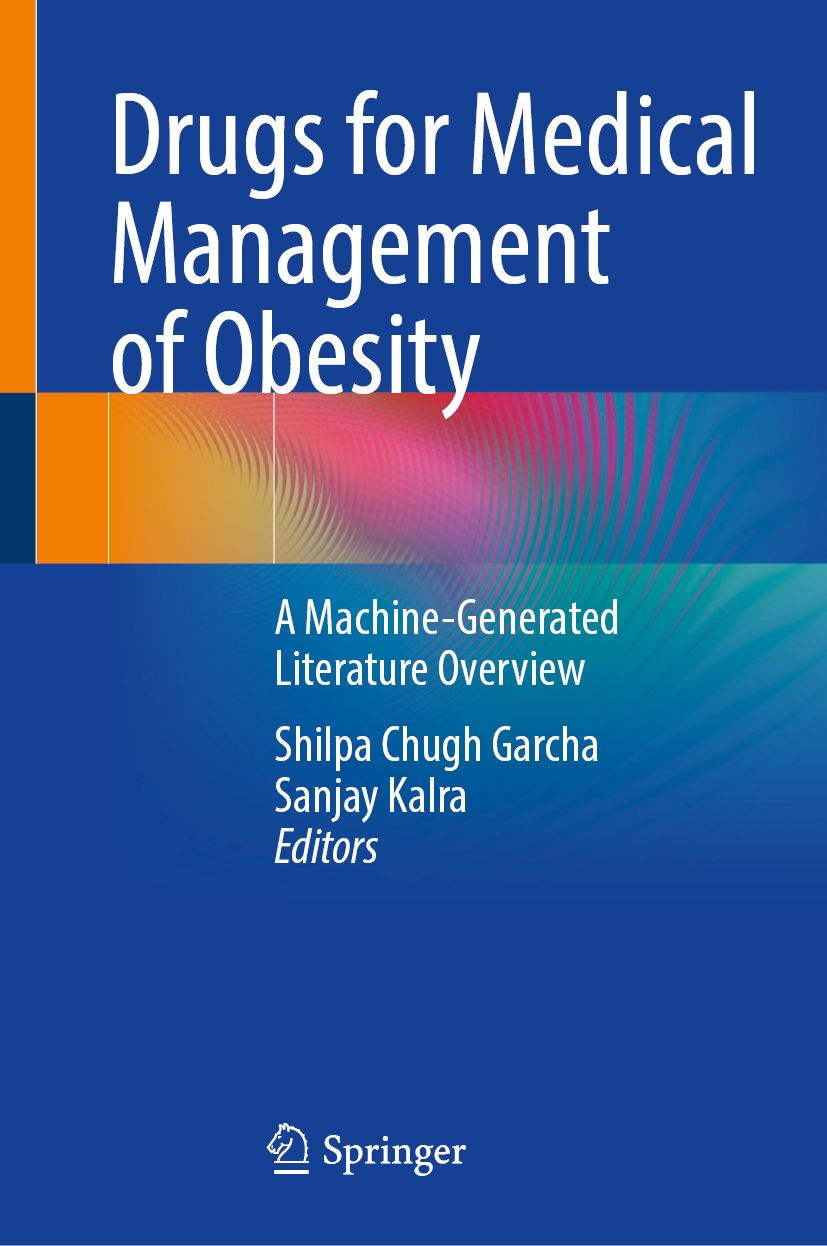
This book explains
the pharmacological role of medications in managing obesity, detailing their mechanisms, safety considerations, and clinical applications. It covers the history of anti-obesity drugs, currently approved treatments, genetic obesity therapies, and use in patients with co-morbidities. The book also explores drugs in clinical trials, offering essential insights for healthcare and pharmaceutical professionals.

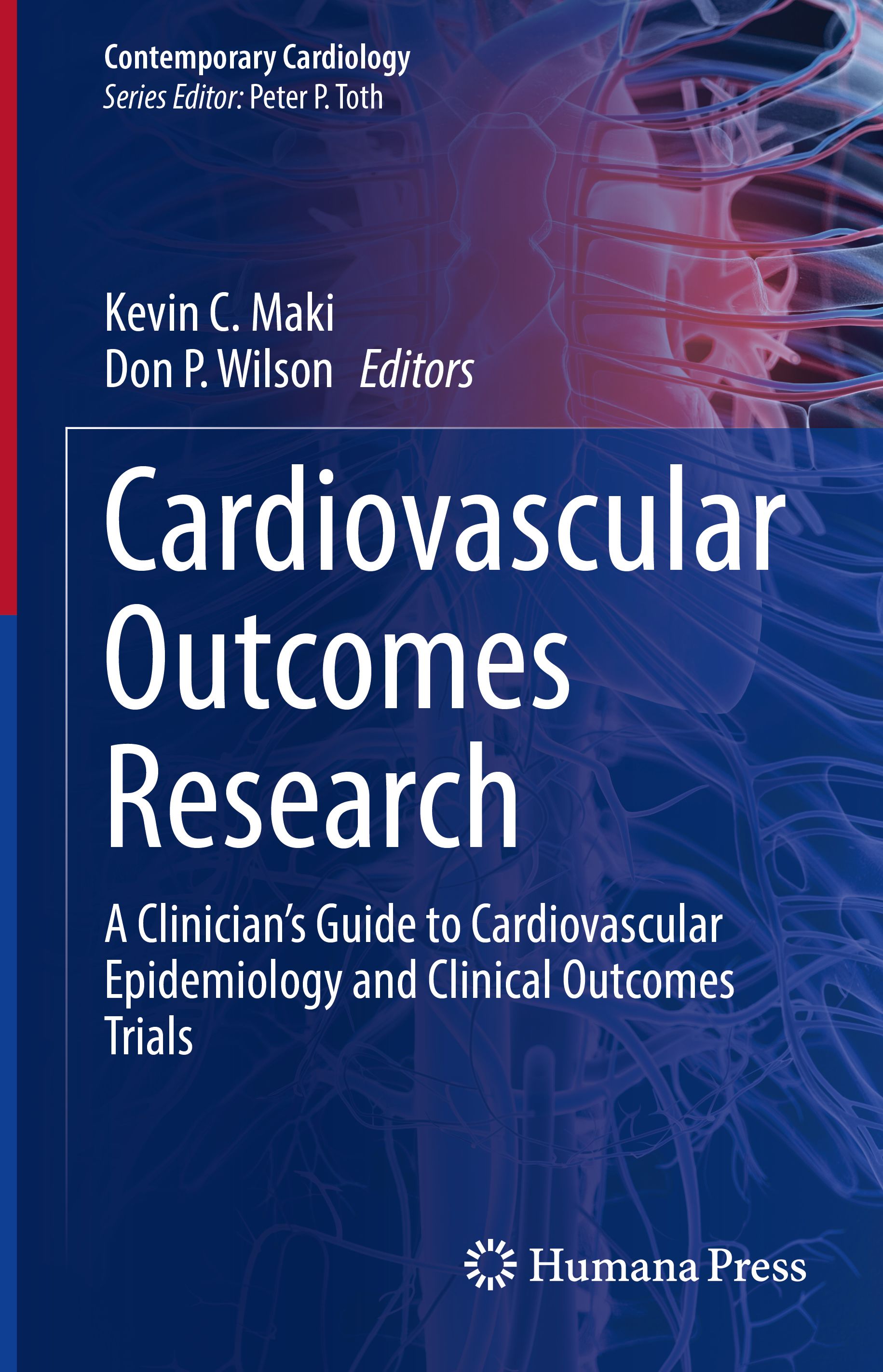
This chapter explains
the relationship between obesity, cardiovascular risk, and weight-loss interventions. It reviews evidence showing that lifestyle changes and older anti-obesity drugs achieve modest weight loss (<12%) without clear MACE risk reduction, while bariatric surgery significantly lowers both weight and MACE risk. Newer medications like semaglutide and tirzepatide show greater efficacy and may expand use if proven to reduce cardiovascular events.

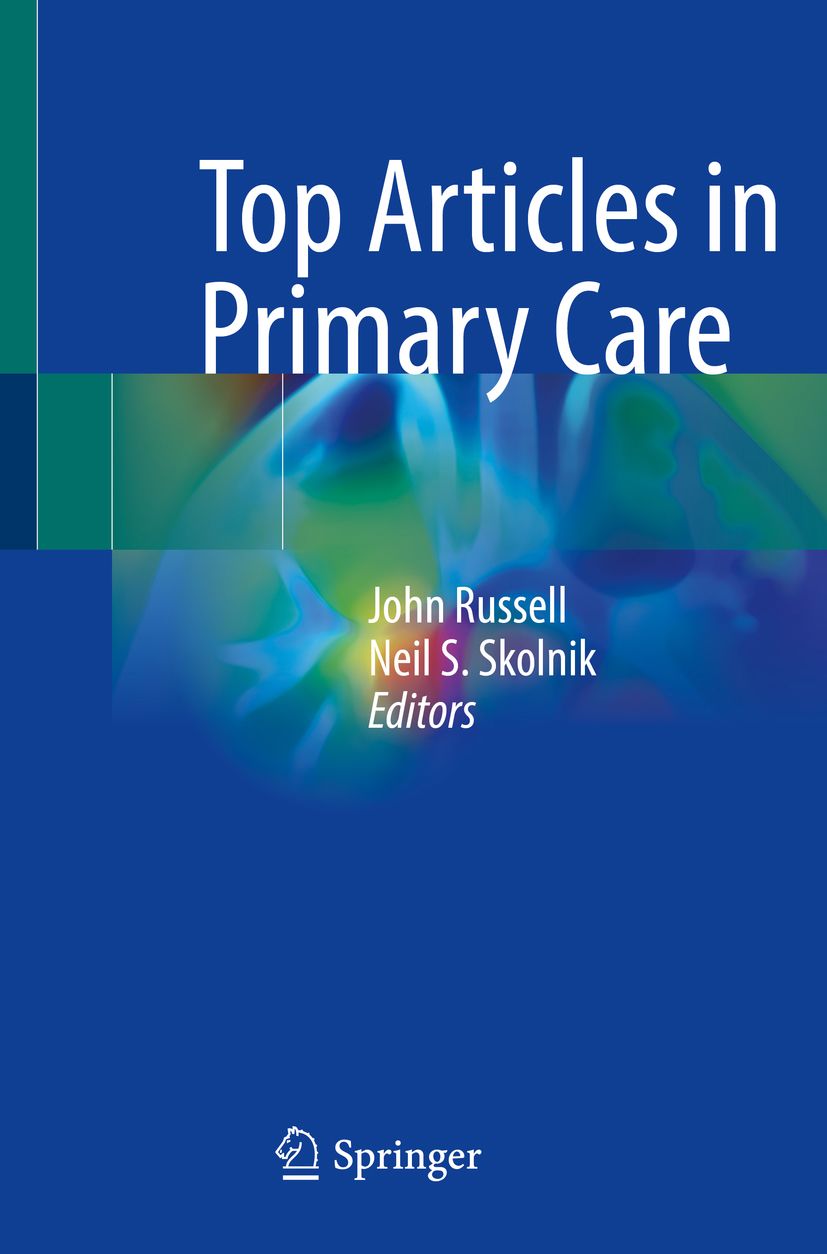
This chapter explains
the growing challenge of obesity as a chronic disease and the limitations of diet and exercise due to physiological regulation. It highlights the role of GLP-1 and GIP hormones in improving glucose tolerance and weight loss, introducing tirzepatide—a dual GLP-1/GIP receptor agonist—as a promising therapy. A randomized controlled trial evaluates tirzepatide’s impact on weight reduction and cardiometabolic outcomes compared to semaglutide.


 Built with Shorthand