



2024
Super-Earth Found in Habitable Zone
Global event
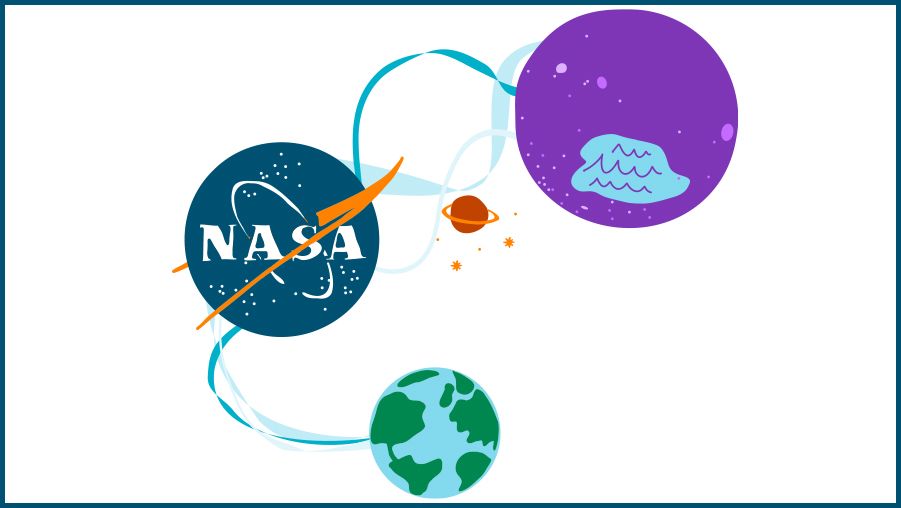
In January 2024, NASA announced the discovery of a potential “super-Earth” exoplanet, dubbed TOI-715 b, located approximately 137 light-years away, and orbiting a nearby red dwarf star. This exoplanet is about one and a half times as wide as Earth and orbits within a “conservative” habitable zone around its parent star, meaning conditions might allow liquid water to exist. Even so, other conditions are important for the existence of liquid water to be possible. The planet’s 19-day orbit brings it close to receiving almost 67% of Earth’s sunlight, an optimal range for moderate temperatures.
Societal, political, and scientific relevance
It is the first TESS (transitioning exoplanet survey satellites)-discovered planet confirmed to be within this conservative habitable zone, making it a standout candidate for future atmospheric analysis. The discovery reignited public interest in the search for life beyond Earth. Its proximity and potential to host liquid water make it an example of how space science can inspire curiosity, hope, and global engagement with astronomy.

Impact on research and education
The discovery represents a significant step forward in our quest to understand the conditions under which life might arise.TOI‑715 b offers a rare opportunity to study a rocky exoplanet within the habitable zone of a calm red dwarf. Its frequent transits and optimal size make it ideal for atmospheric analysis with telescopes like JWST, advancing research on planetary habitability, composition, and the likelihood of life-supporting conditions beyond our solar system.
“There are tens of billions of habitable Earth-like planets in our Milky Way Galaxy alone. Of course, the importance of this is a statistical weight. If there are so many Earth-like habitable planets, it makes sense that at least on some of them, life evolved in a way more or less similar to the way of our Earth.”
Role of Springer Nature books
Springer Nature eBooks offer a journey through the knowledge of the past, present, and future, tapping into the age-old question of whether we are alone. These eBooks offer foundational guides that provide researchers and educators with essential knowledge on planet detection, classification, and habitability.
Springer Nature titles confront the profound silence of the universe, from an exploration of the Fermi Paradox to the scientific search for intelligent life. These book selections bring to life the cosmic origins of planetary systems like our own, offering essential context for understanding both Earth and its place in the broader galactic story. Together, they form a future-oriented, interdisciplinary resource that fuels curiosity, deepens scientific inquiry, and prepares next generations to explore the unknown.
Book highlights

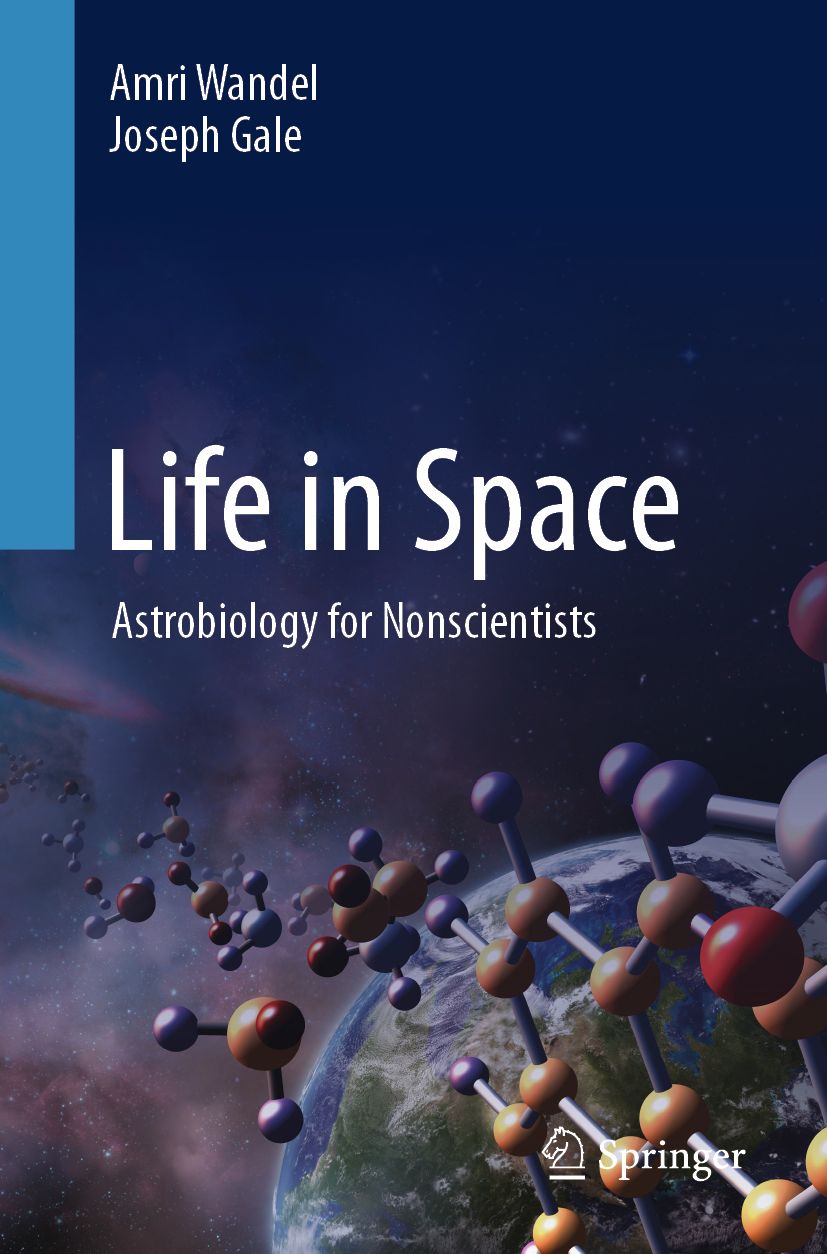
This book explains
the foundations of astrobiology, an interdisciplinary field exploring the origin, evolution, and potential existence of life beyond Earth. Co-written by an astrophysicist and a biologist, it covers topics such as habitable planets, biosignature detection, and Earth’s conditions for life, while addressing ongoing influences like climate change. Designed for undergraduates and curious readers, it offers an accessible, science-based introduction to life in the universe.
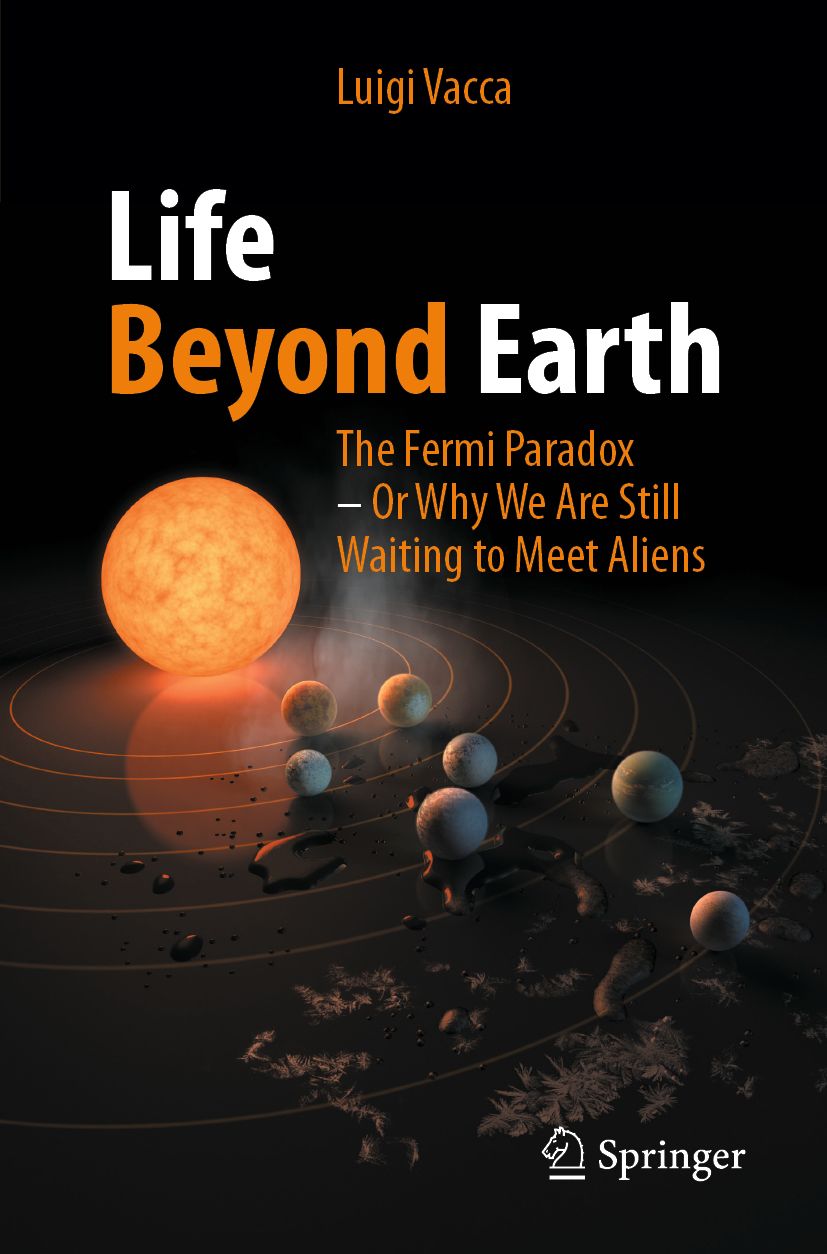
This book explains
the scientific and philosophical quest to understand the likelihood of intelligent extraterrestrial civilizations. It explores two approaches: the Drake equation, which estimates their probability, and popular hypotheses about alien behavior. Framing the discussion around Fermi’s famous question—“Where is everybody?”—it examines the implications of a universe with or without other intelligent species, suggesting reality may be stranger than imagined.
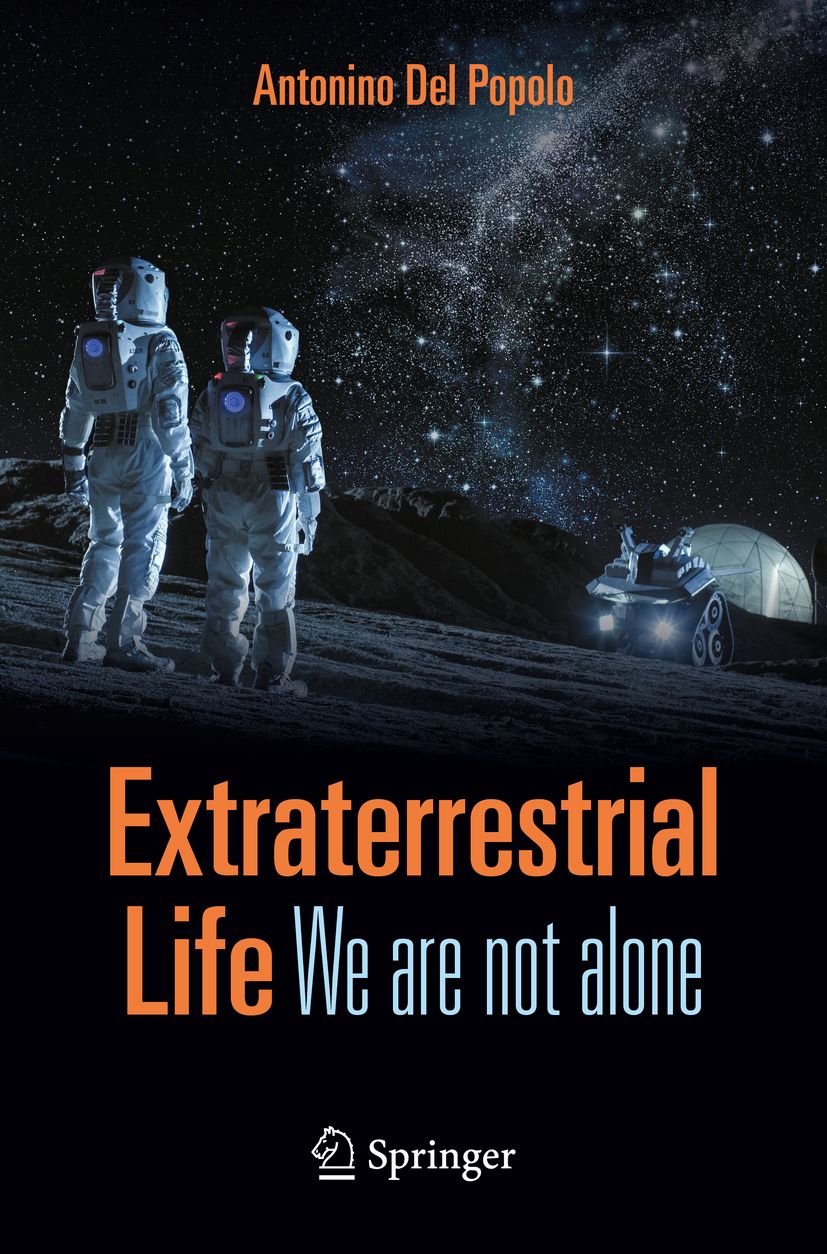
This book explains
humanity’s quest to answer the question: Are we alone in the universe? It reviews decades of exploration, from solar system probes to the discovery of exoplanets, highlighting evidence for microbial life on Mars, Venus, and icy moons, and the potential of billions of habitable worlds. It discusses biosignature detection, super-habitable planets, and why the next decade may be pivotal in finding extraterrestrial life.


 Built with Shorthand