



2022
Hello, ChatGPT
Global event
On November 30th, 2022, OpenAI launched ChatGPT, one of the first AI tools to bring advanced natural language processing capabilities directly to everyday users via a simple, conversational interface. What made ChatGPT novel was its accessibility, allowing the large public to interact freely with a powerful language model that could perform numerous tasks. Due to its intuitive design and versatility, it quickly went viral, attracting millions of users in just a few weeks after its release.
Societal, political, and scientific relevance
ChatGPT sparked both excitement and concern in schools and workplaces, sometimes improving productivity but also raising questions about assessment methods in education. Even so, many tasks could now be automated with the help of AI, from drafting emails and coding to language translation and content generation. Use of these tools has raised questions about ethics, misinformation, digital literacy, and intellectual property; inspiring discussions on the responsible use of AI in society. It brought a cultural shift in how people interact with technology, with AI becoming part of everyday life.

Impact on research and education
AI tools became increasingly integrated into academia, raising questions about authorship and originality in an era where machines can generate human-like content. Academic institutions, publishers, and research bodies developed guidelines and standards to navigate these new challenges. ChatGPT has initiated a new interdisciplinary scholarship, combining computer science and ethics to linguistics and law, investigating how AI affects different dimensions of these fields.
Role of Springer Nature books
Springer Nature eBooks provide the essential depth needed to understand the changes and shape future transformations. Covering topics from data science and digital ethics to emerging technologies and innovation, these resources help researchers and educators understand how uncertainty has been tackled throughout history but also to anticipate where this field is heading. They offer critical insights into the history and future of AI, support the development of responsible digital policies, and equip readers with the skills needed in an AI-driven world.
Also worth noting: Springer Nature has a programme of AI-written eBooks to synthesise understanding of current research across a range of disciplines.
In a time of transformation, Springer Nature eBooks remain trusted, future-oriented tools for understanding and shaping what’s coming next.
Book highlights

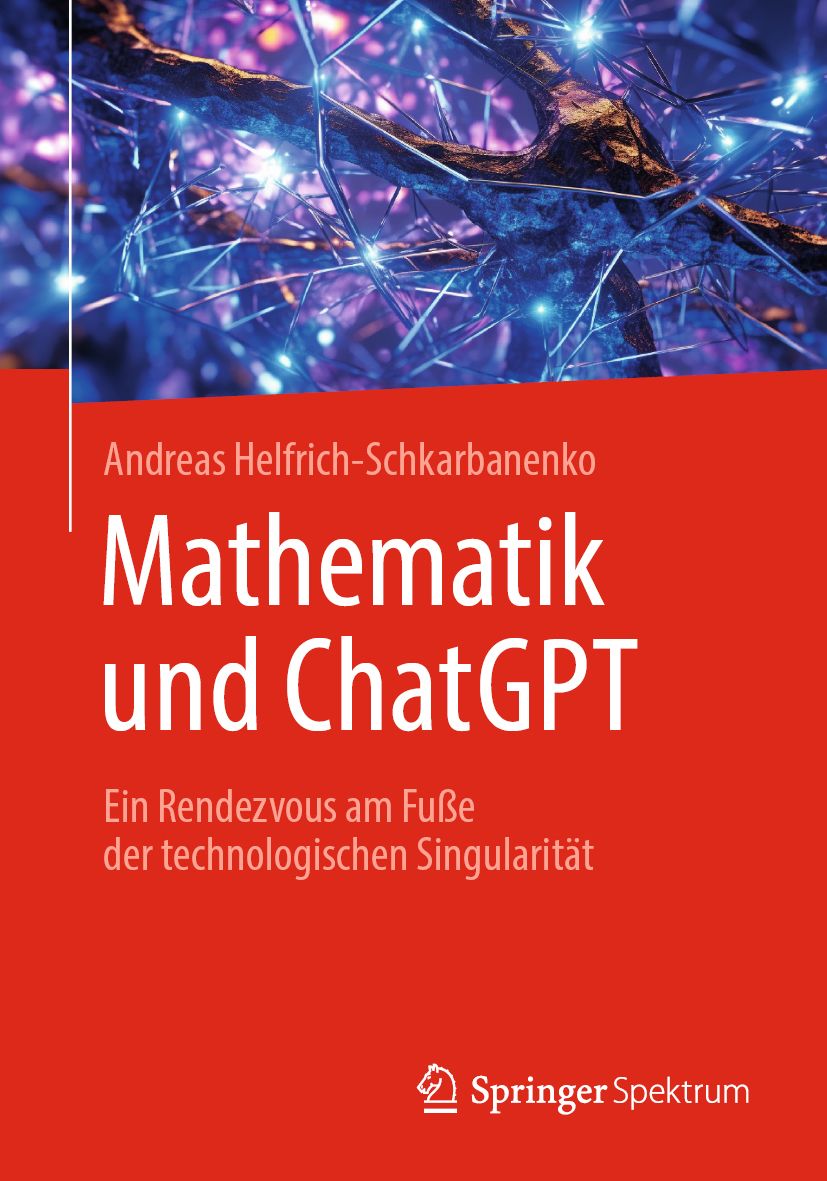
This book explains
how ChatGPT 4.0 combines four key competencies—deep mathematical understanding, LaTeX mastery, PGF/TikZ graphics expertise, and multi-language programming versatility—to tackle diverse mathematical and coding challenges. It explores AI’s potential and limitations through practical applications like student support, test generation, and software development, showcasing the creative synergy between mathematics and artificial intelligence.

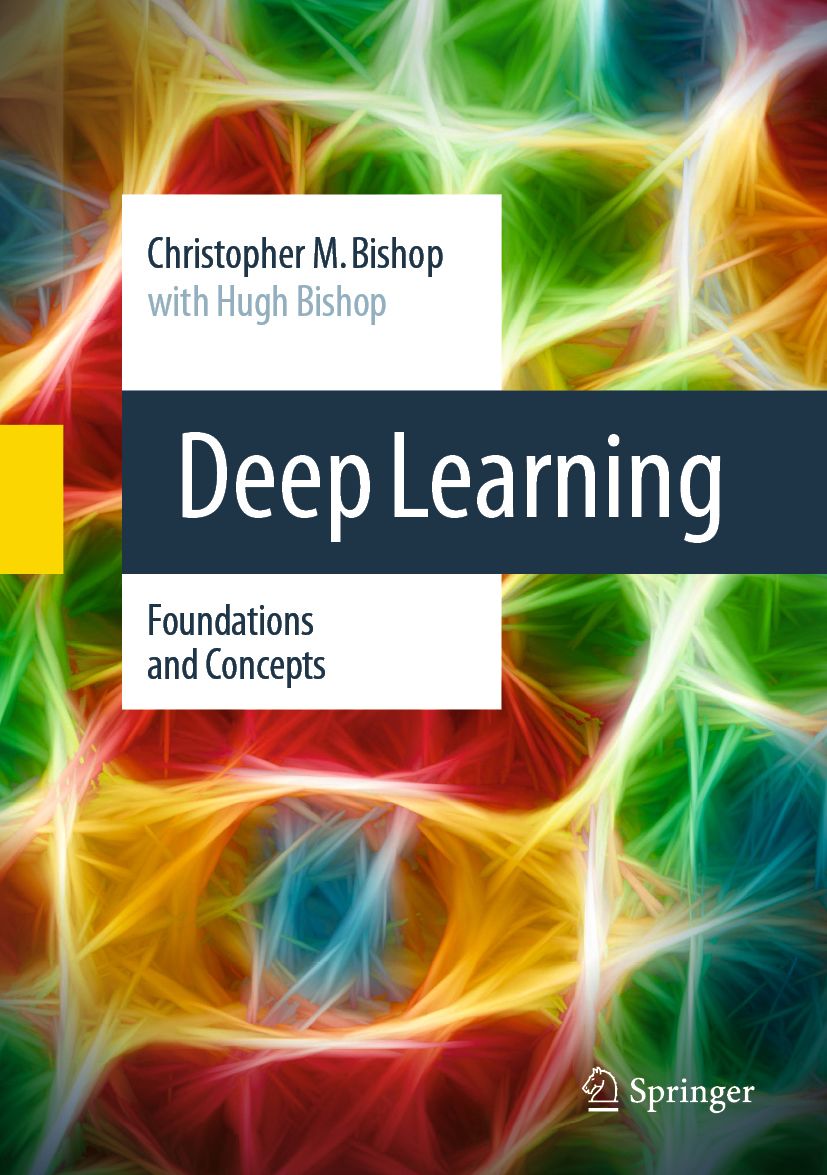
This book explains
the core principles of deep learning, providing a clear and practical foundation for both beginners and experienced practitioners. Organized into concise chapters, it covers enduring concepts behind modern architectures, includes a self-contained introduction to probability, and emphasizes real-world applications through text, diagrams, formulas, and pseudo-code—ideal for courses, research, or self-study.

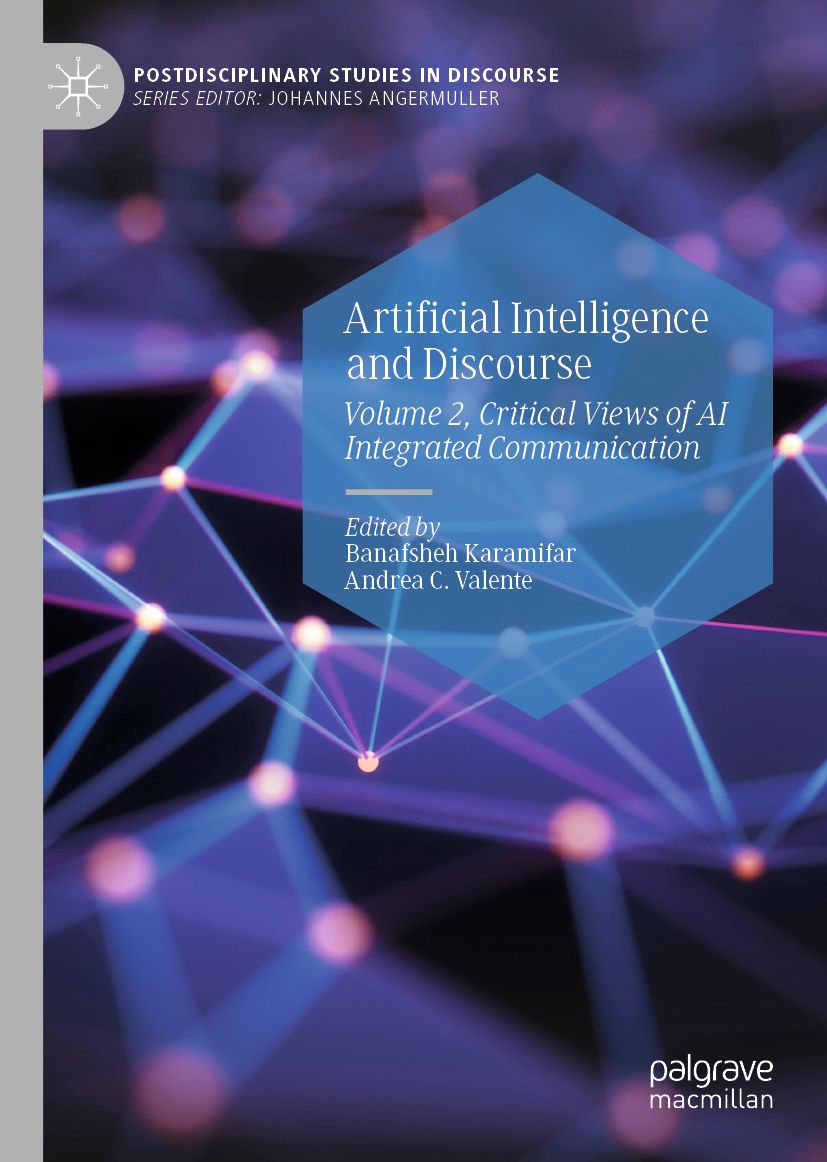
This book explains
how generative AI tools like ChatGPT, Gemini, and CoPilot are reshaping communication and interaction across education, journalism, policy, and creative industries. Through global case studies, it examines AI as a conversational partner influencing language, identity, and professional practices, while addressing issues like bias, meaning-making, and cultural impact—offering interdisciplinary insights for researchers, educators, and policymakers.


 Built with Shorthand