




2021
Webb Space Telescope launch
Global event
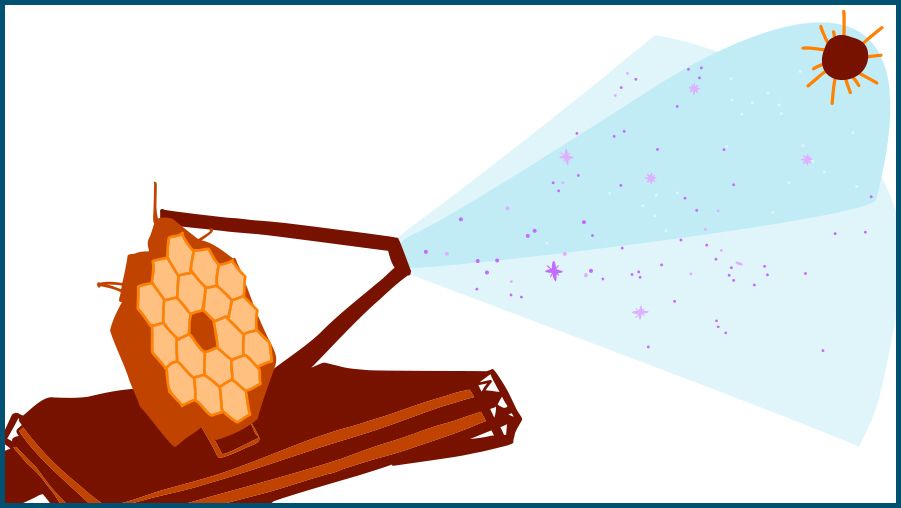
Launched in December 2021, the James Webb Space Telescope is the largest, most powerful and complex telescope ever built and launched into space. Designed to observe the universe in infrared light, the telescope is a joint project of NASA, the European Space Agency (ESA), and the Canadian Space Agency (CSA). As a much more powerful successor to the Hubble Space Telescope, JWST can look deeper into space and further back in time to observe the formation of the first galaxies, stars, and planetary systems. Its massive, 6.5-meter gold-coated mirror and advanced instruments allow it to detect faint heat signals from distant objects, making it ideal for studying exoplanets, star formation, black holes, and the early universe.
Societal, political, and scientific relevance
The JWST’s relevance rests on its ability to inspire curiosity, promote STEM education, and foster international collaboration. Its discoveries can reshape our understanding of life and the universe, influencing culture, philosophy, and global unity through shared scientific achievement.

Impact on research and education
The JWST is expected to deepen our understanding of the universe and drive innovation. Its aim is to study every phase in the history of the Universe, including the evolution of the Solar System, and the formation of distant stellar systems capable of supporting life on Earth-like exoplanets. Goals of the Webb mission incorporate topics relevant to astrobiology, such as observing the formation of stars from the first stages to the formation of planetary systems and measuring the physical and chemical properties of planetary systems, investigate the potential for life in those systems.
Role of Springer Nature books
Springer Nature eBooks help you to better understand the topics that truly matter — those that expand our understanding of the universe while equipping scholars and educators with tools for the future. These books demonstrate how different tools for exploration, from the Hooker Telescope to the James Webb Space Telescope, have shaped human understanding of the cosmos. Moreover, titles such as Models of Time and Space from Astrophysics and World Cultures bring a humanistic approach to science, tracking how diverse cultures contributed to our understanding of modern conceptions of space and time.
Together, these titles form a future-oriented collection that empowers researchers, educators, and students to explore the cosmos not just as scientists, but as thinkers and storytellers navigating space, time, and the origins of life itself.
Book highlights

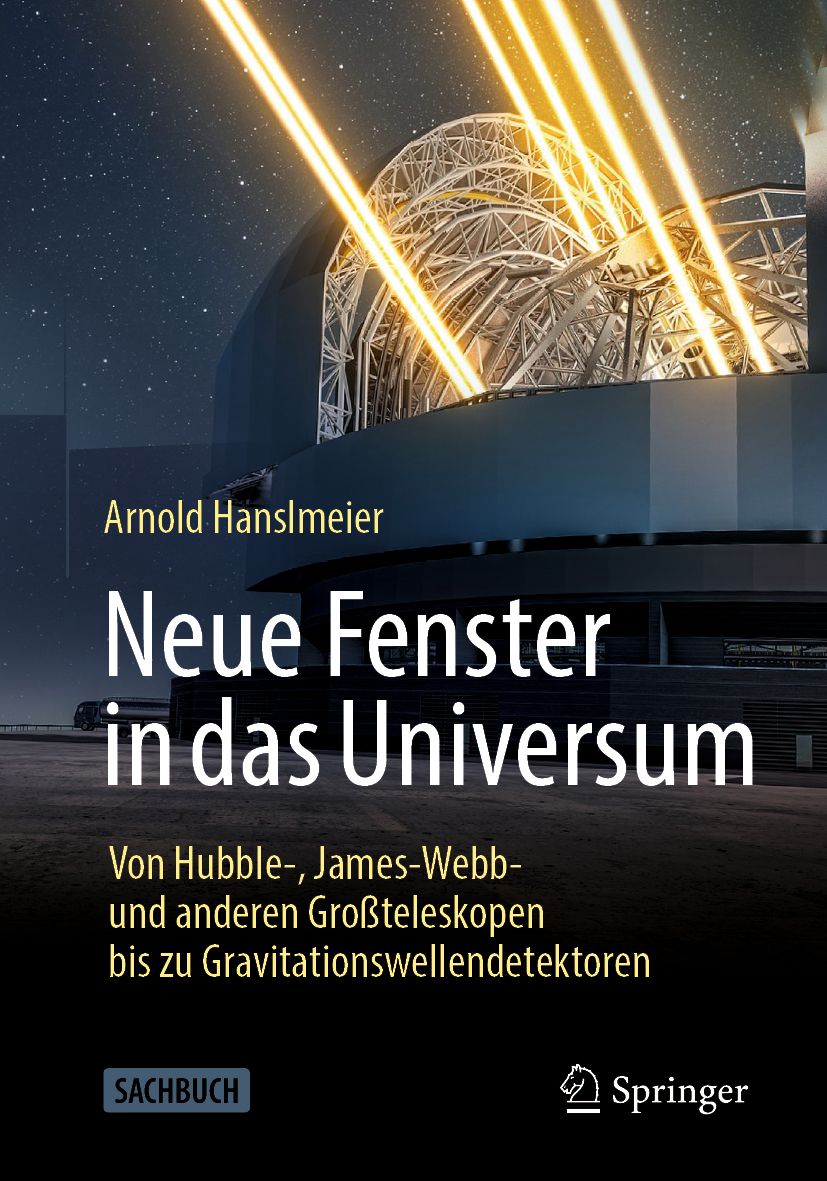
This book explains
the cutting-edge observational tools of modern astrophysics, from optical and infrared space telescopes to radio arrays, gravitational-wave detectors, and neutrino observatories. It explores how these technologies probe light, particles, and space-time distortions smaller than a proton’s diameter. Offering a comprehensive overview, it serves as both a textbook and engaging reading for anyone interested in exploring the universe.

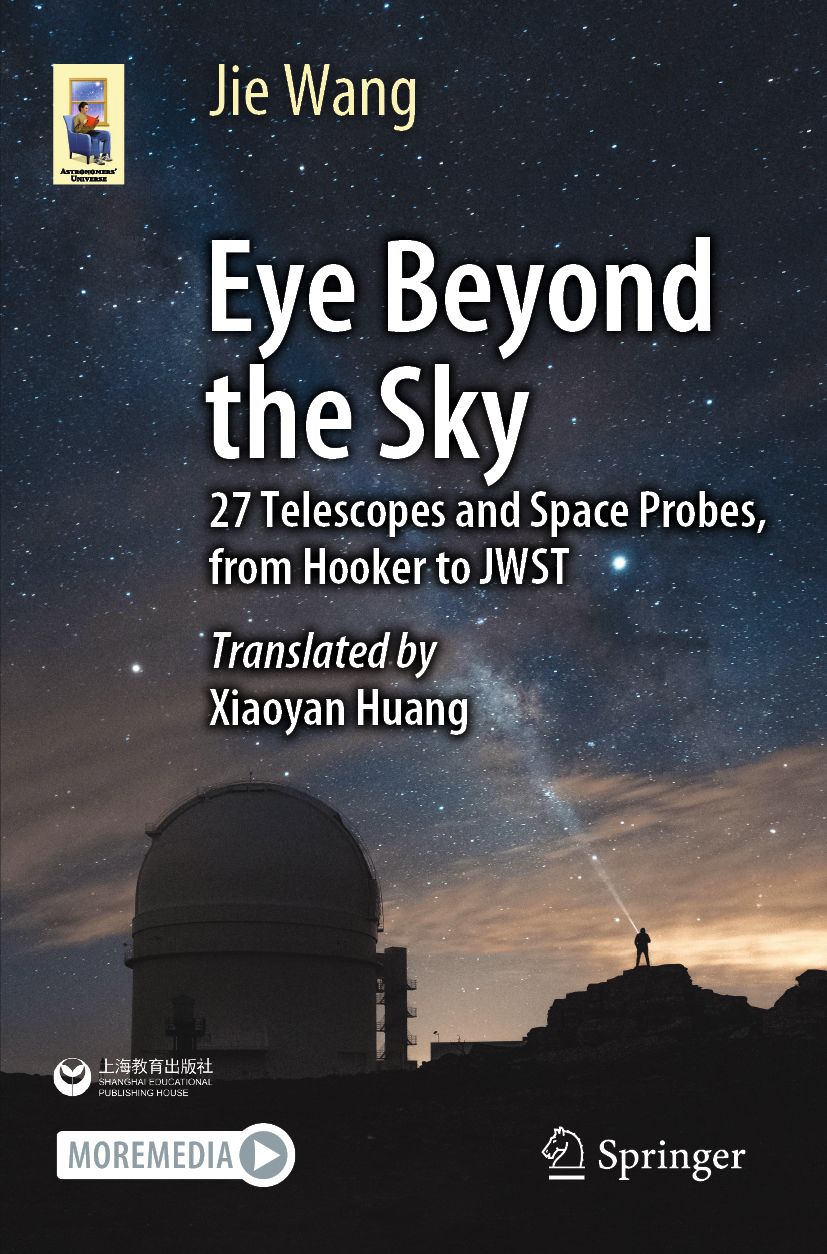
This book explains
the cutting-edge observational tools of modern astrophysics, from optical and infrared space telescopes to radio arrays, gravitational-wave detectors, and neutrino observatories. It explores how these technologies probe light, particles, and space-time distortions smaller than a proton’s diameter. Offering a comprehensive overview, it serves as both a textbook and engaging reading for anyone interested in exploring the universe.
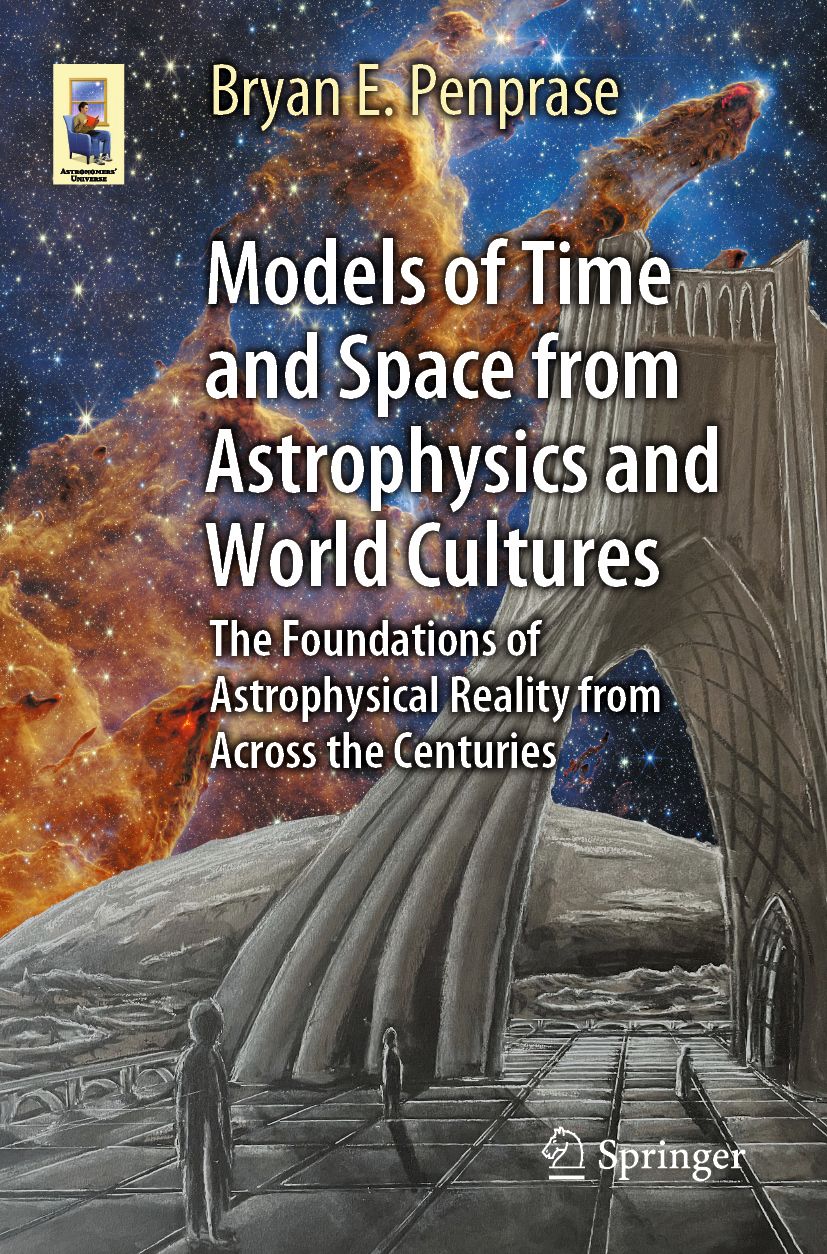
This book explains
how concepts of time, space, and the universe have evolved across cultures, blending historical insights, biographies of pioneering scientists, and modern discoveries in astrophysics and particle physics. Covering topics like dark matter, gravitational waves, quantum mechanics, and parallel universes, it explores humanity’s quest to understand reality from ancient traditions to cutting-edge tools like the LHC and JWST.


 Built with Shorthand