




2020
COVID-19
Global event
The COVID-19 pandemic brought in rapid vaccine development, a historic milestone in medical science. The breakthrough came after decades of scientific work on the technology behind the vaccine before it finally got approved for widespread application. In January 2020, after the SARS-CoV-2 genome was published, Moderna and BioNTech quickly adjusted their mRNA platforms to target the virus’s spike protein. By spring, both had vaccine candidates in clinical trials. These vaccines used synthetic mRNA to instruct cells to produce a harmless spike protein, training the immune system. By December, the Pfizer-BioNTech and Moderna vaccines received emergency use authorisation, proving highly effective and became key tools in the global COVID-19 response.
mRNA vaccines differ from traditional vaccines in how they trigger an immune response. Instead of using weakened viruses or protein fragments, mRNA vaccines deliver genetic instructions that prompt the body’s own cells to produce a harmless viral protein. This teaches the immune system to recognise and fight the real virus, allowing for faster development and production compared to conventional methods.
Societal, political, and scientific relevance
mRNA vaccine development made a rapid and effective response to the COVID-19 pandemic possible, saving millions of lives and allowing societies to reopen more safely. However, deploying and distributing the vaccines also highlighted disparities in global health access, sparked debates around vaccine hesitancy and misinformation, and prompted governments to invest more in public health infrastructure and pandemic preparedness.
“People now think the COVID vaccines were developed in just one year, but we found a 20-year-old patent that already described immunogenic preparations related to mRNA vaccines. Discoveries made by French and other European researchers deserve to be known by the world.”


Impact on research and education
The scientific impact was equally important, as the success of mRNA vaccines validated decades of research and opened new frontiers in medicine. It accelerated interest and funding in mRNA-based treatments for other diseases, encouraged cross-disciplinary collaboration, and demonstrated the power of rapid-response vaccine platforms, fundamentally changing how future vaccines and therapeutics might be developed.
Role of Springer Nature books
Springer Nature eBooks highlight the multifaceted importance of mRNA vaccine development by addressing its scientific, societal, and regulatory dimensions. These books provide an in-depth analysis of the science behind the technology, explaining how the rapid creation of COVID-19 vaccines was enabled by decades of research. Springer Nature titles explore the broader implications of these new vaccines, including safety and public perception, but also the legal and policy frameworks that shape vaccine deployment, access, and public trust.
Sustainable Development Goals
This topic aligns with the United Nations’ Sustainable Development Goals (SDGs), particularly SDG 3: Good Health and Well-Being. Organisations interested in supporting these goals can learn more through the SDG 3 book series.
Book highlights

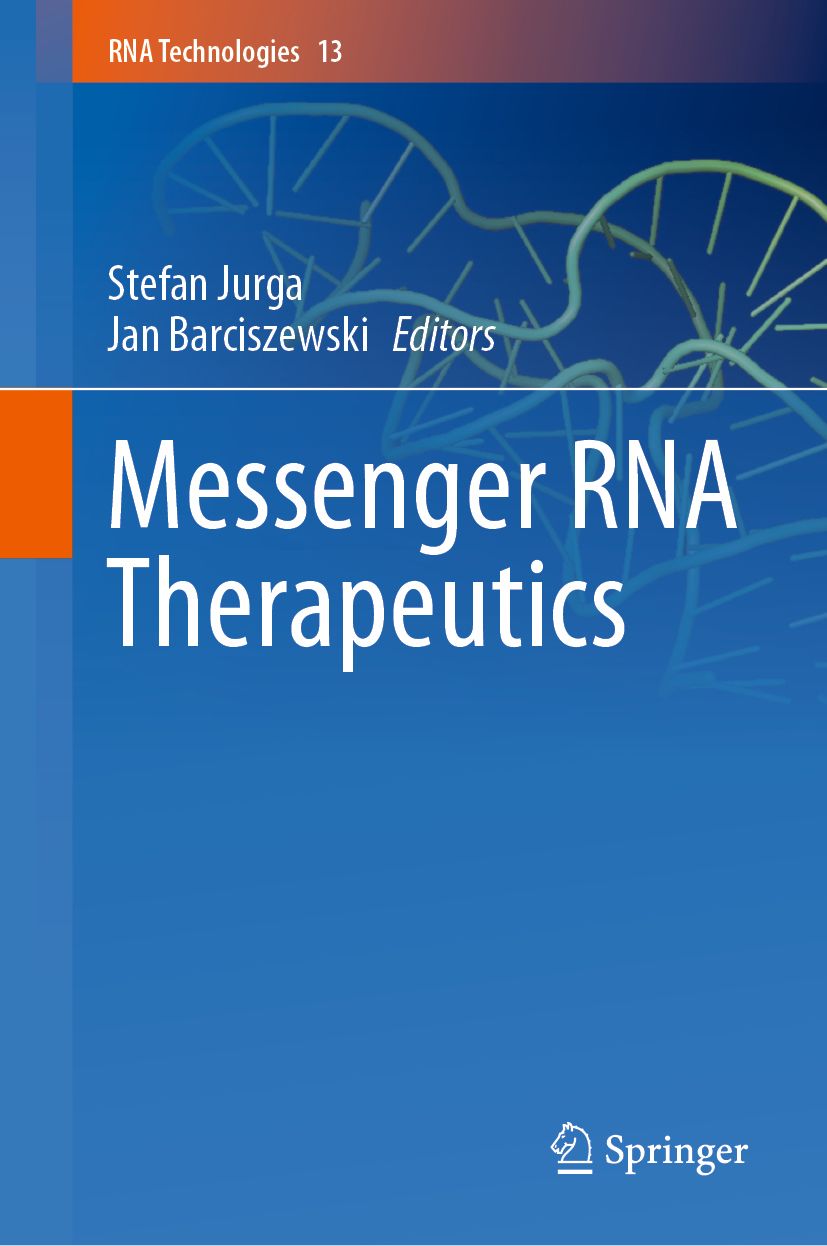
This book explains
the fundamentals and applications of mRNA-based therapeutics, highlighting their strengths, challenges, and transformative potential. It covers formulation, delivery strategies, and clinical uses in cancer immunotherapy, respiratory diseases, chronic HBV, and RNA vaccines, including COVID-19. Part of the RNA Technologies series, this resource is essential for researchers and industry professionals advancing mRNA as a revolutionary medical tool.
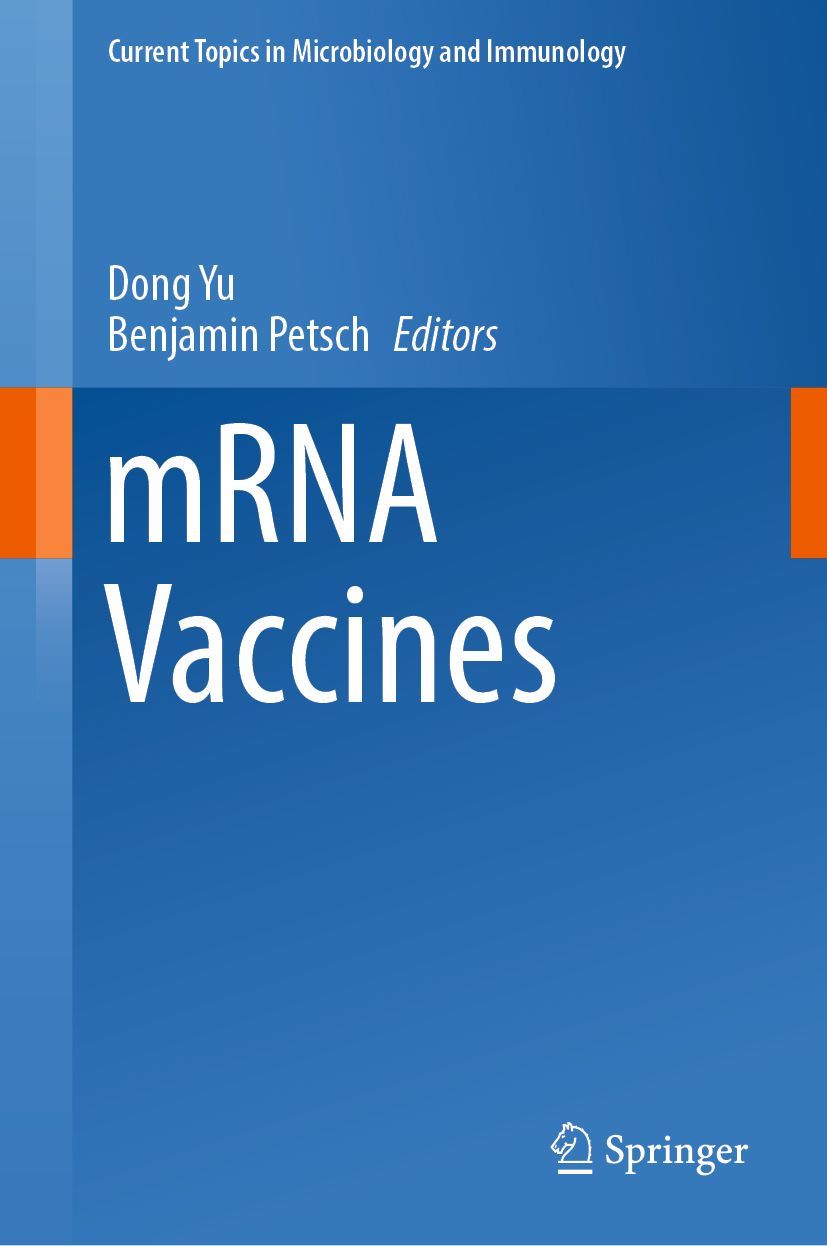
This book explains
the fundamentals and applications of mRNA-based therapeutics, highlighting their strengths, challenges, and transformative potential. It covers formulation, delivery strategies, and clinical uses in cancer immunotherapy, respiratory diseases, chronic HBV, and RNA vaccines, including COVID-19. Part of the RNA Technologies series, this resource is essential for researchers and industry professionals advancing mRNA as a revolutionary medical tool.

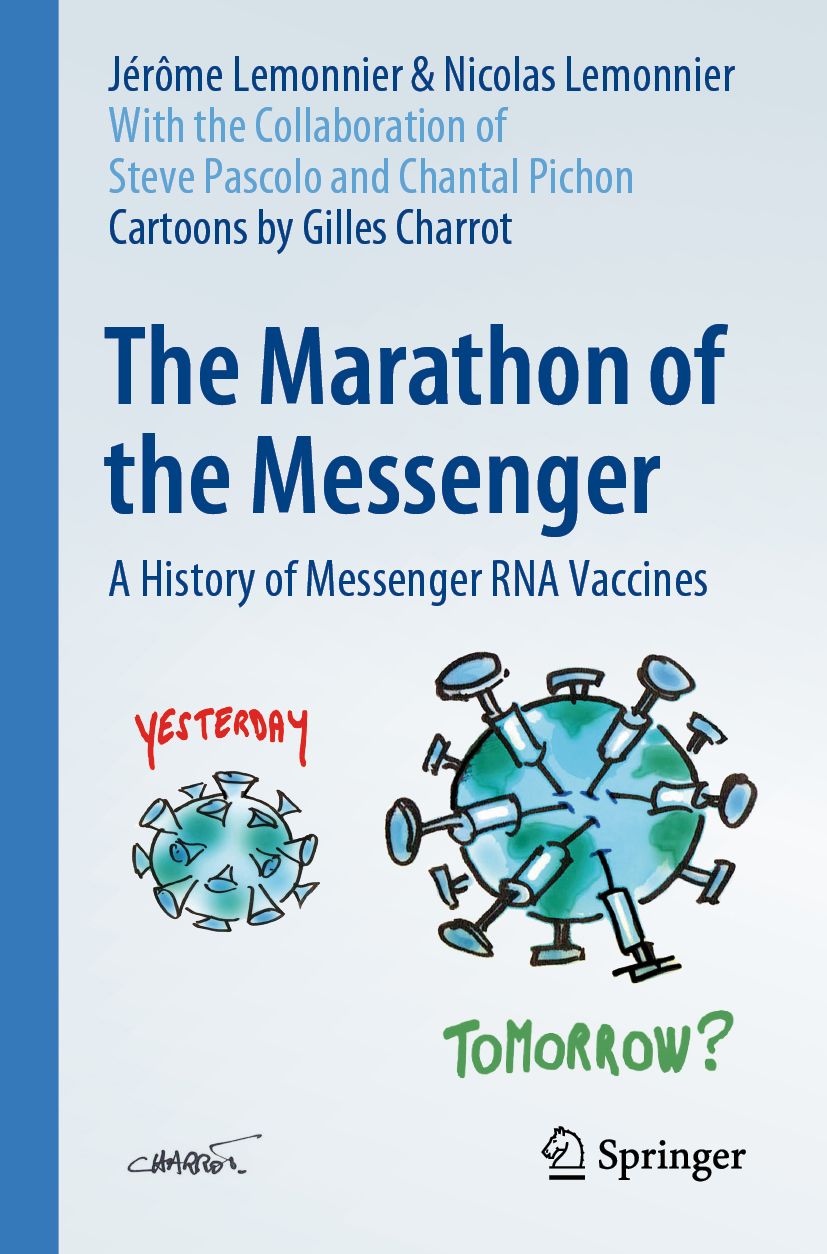
This book explains
the history and development of mRNA vaccines, from early research in Europe to their pivotal role in combating COVID-19. Combining scientific, historical, and economic perspectives, it highlights breakthroughs by German and French scientists and the challenges of creating a new therapeutic concept. Written for a broad audience, it offers insights into technology, innovation, and global health.


 Built with Shorthand