



2019
Climate Strikes
Global event
In 2019, the #FridaysForFuture movement, started by Greta Thunberg in 2018, evolved into a series of global protests and youth-led strikes demanding urgent action on climate change. A worldwide youth-led movement grew, with students and supporters organising regular school strikes and demonstrations. In September 2019, the movement reached a peak when millions of people in over 150 countries participated in coordinated climate strikes, making it one of the largest environmental protests in history. These strikes were timed to coincide with the UN Climate Action Summit, aiming to pressure world leaders to take meaningful steps toward reducing carbon emissions and addressing the climate crisis.
Societal, political, and scientific relevance
The strikes succeeded in mobilising and inspiring youth all around the globe, raising public awareness and political pressure about the harmful consequences of climate change and trying to influence public opinion and media coverage. They shifted climate change from a purely scientific and policy issue to a mainstream social and moral concern, especially among younger generations. They marked a turning point in how society perceives and responds to climate change, challenging governments and institutions to act, and inspiring civic participation and environmental education.


Impact on research and education
The global awareness brought by the strikes produced a shift not only in public perception, but also in what is considered relevant literature when discussing the implications of climate change. We now understand issues around climate change to involve more than atmospheric and oceanic chemistry and temperature data points, and also involve social sciences, philosophy, and ethics to truly interpret the implications of climate change when it comes to justice, equity, and policy.
Role of Springer Nature books
Springer Nature eBook collections provide illuminating perspectives into the different dimensions, consequences, and responses to climate change. It supports policymaking, sustainable development, and the protection of vulnerable communities. Addressing interdisciplinary authorship, these titles link the effect of climate change on health and hazards, shedding light on how the concept of justice is integrated in climate action planning, and its implications for policies and well-being. Climate change research remains critically important for the future, providing the scientific foundation needed to understand, predict, and respond to its complex impacts on our planet.
Sustainable Development Goals
This topic aligns with the United Nations’ Sustainable Development Goals (SDGs), particularly SDG 13: Climate Action. Organisations interested in supporting these goals can learn more through the SDG 13 book series.
Book highlights

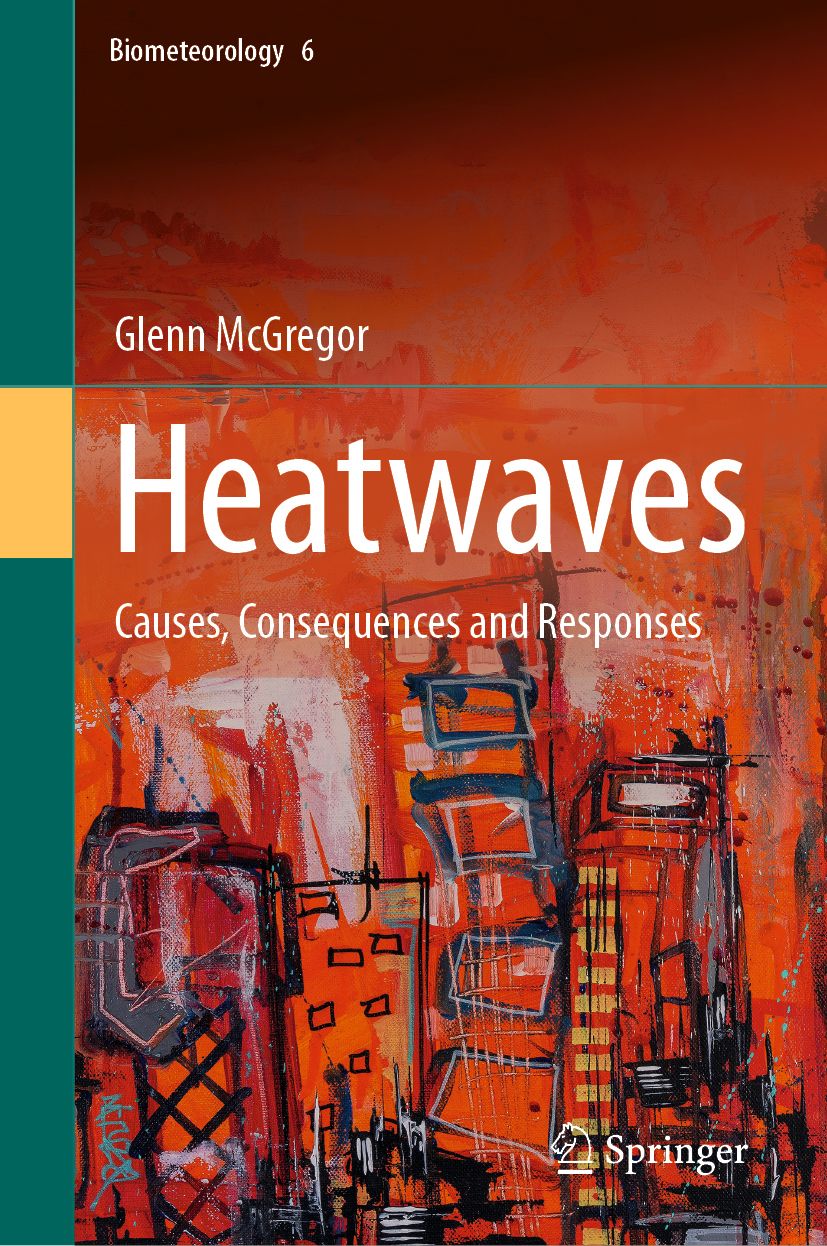
This book explains
heatwaves from an end-to-end perspective, examining their causes, impacts on human and natural systems, and societal responses through adaptation and mitigation. Advocating for “the heatwave imperative,” it emphasizes interdisciplinary understanding to reduce risks and build resilience against one of the most pervasive climate hazards. Ideal for students, researchers, policymakers, and anyone concerned with climate and health.
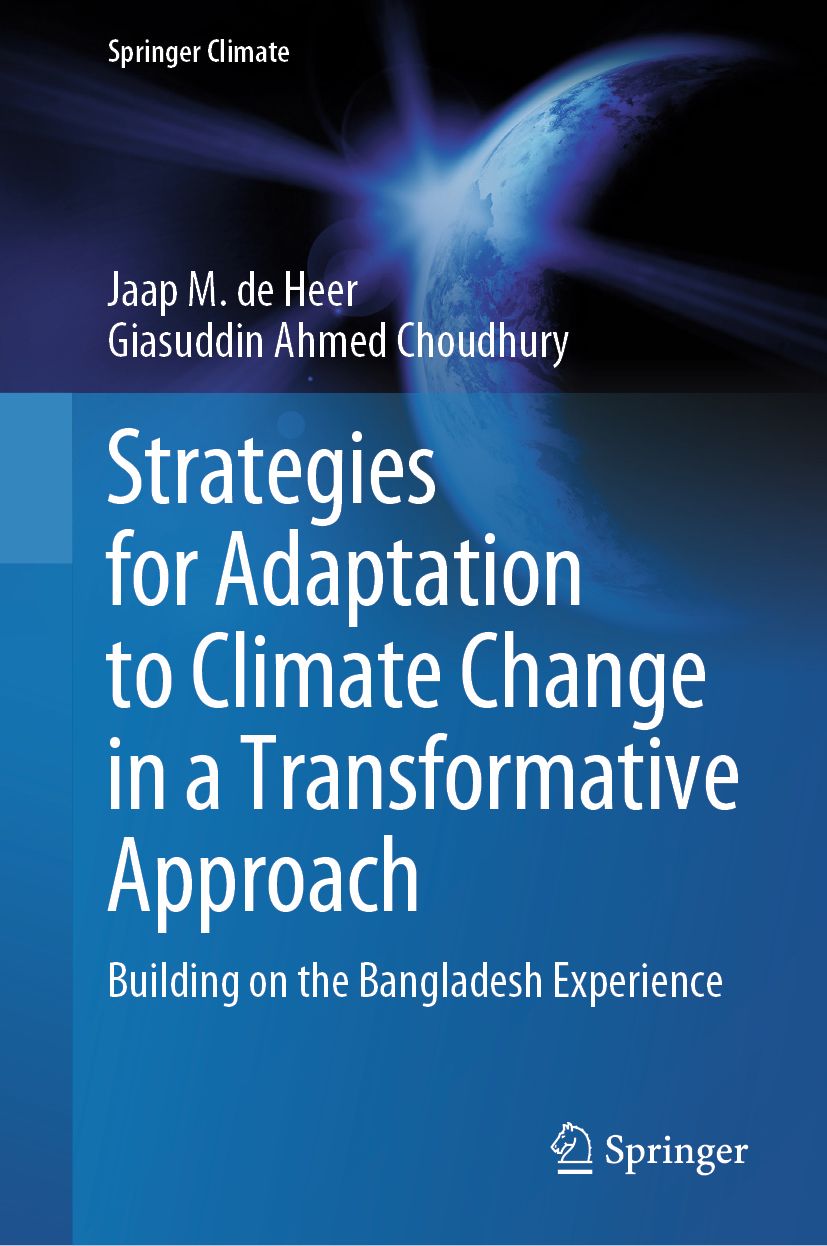
This book explains
climate change adaptation in Bangladesh intertwines with weather patterns, water resources, and socio-economic factors. It argues that adaptation strategies are cultural processes shaped by governance, traditions, and power dynamics, involving negotiation, sense-making, and political choices. The volume highlights the Bangladesh Delta Plan 2100 as a case study of techno-economic planning embedded in societal and cultural contexts
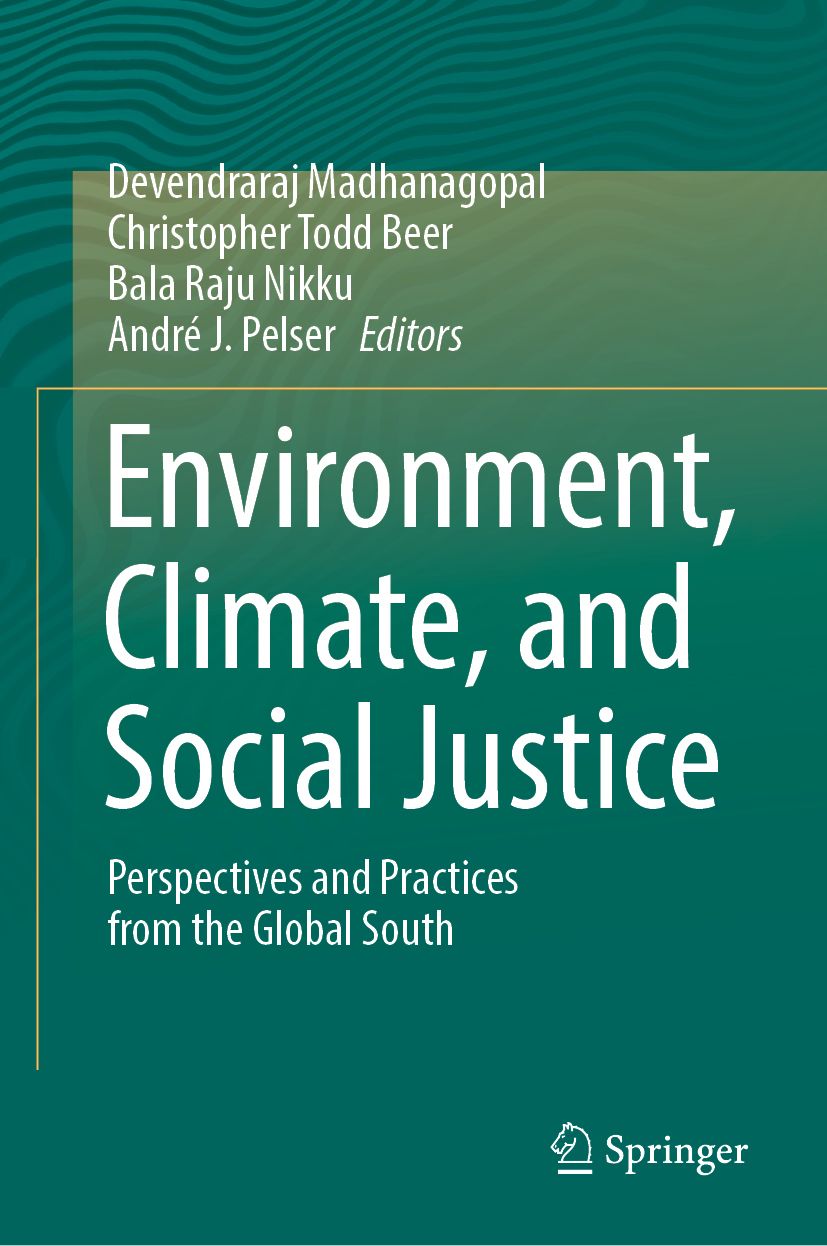
This book explains
the interlinked challenges of environmental, climate, and social justice through Global South perspectives, challenging Eurocentric narratives. Combining theory, empirical research, and practical insights, it uses narratives and thematic analysis to explore justice in environmental conflicts and climate change. This interdisciplinary collection is a vital resource for teaching, research, and advocacy, promoting inclusive solutions and critical thinking.


 Built with Shorthand