




2018
CRISPR-CAS9 Gene Editing
Global event
In 2018, CRISPR gene editing became a global headline, symbolizing a scientific milestone but also an ethical debate. Researchers were exploring and refining CRISPR-Cas9 to be more precise and efficient, which could potentially open doors to cures for genetic diseases. CRISPR allows scientists to cut and modify DNA with remarkable accuracy. It holds promise to treat several conditions. Meanwhile, the world was shocked by the announcement of the first gene-edited babies in China, sparking intense debate about the boundaries and ethical implications of gene-editing science.
Societal, political, and scientific relevance
CRISPR gene editing technologies have sparked intense societal debate due to their potential to reshape medicine, reproduction, and human identity. The 2018 announcement of the first gene-edited babies in China shocked the world, raising urgent ethical concerns about consent, genetic changes, and the risk of deepening social inequalities. It called for greater transparency, public dialogue, and global regulation on gene editing.


Impact on research and education
This marked a turning point in genetic research, exposing gaps in oversight and accelerating efforts to establish ethical standards for human gene editing. Researchers also became more focused on refining CRISPR’s precision and safety, while navigating complex legal and moral landscapes.
Role of Springer Nature books
Springer Nature eBooks serve as reliable references for researchers working with CRISPR-Cas9 and related gene editing technologies. They provide rigorously tested protocols, methodological insights, and practical frameworks that support innovation across diverse experimental systems. Combining foundational techniques with cutting-edge applications, these volumes help advance precision, efficiency, and ethical standards in modern genetic research.
Book highlights

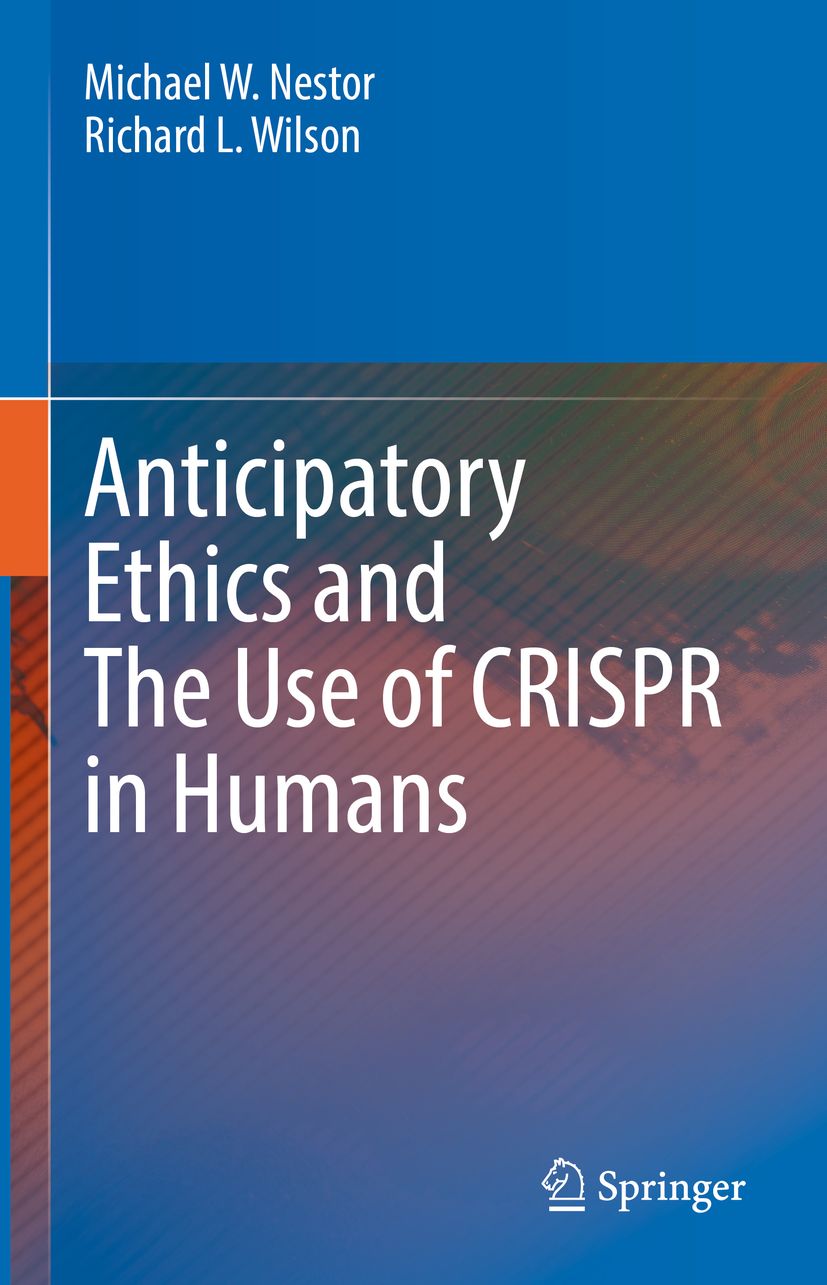
This book explains
the ethical challenges of using CRISPR for human gene editing, especially in mental traits and cognitive enhancement. Nestor and Wilson introduce anticipatory ethics to address rapid scientific advances, combining neuroscience and philosophy to propose inclusive frameworks for policy and stakeholder dialogue. The book explores implications for personhood, equity, and responsible innovation in future healthcare applications.

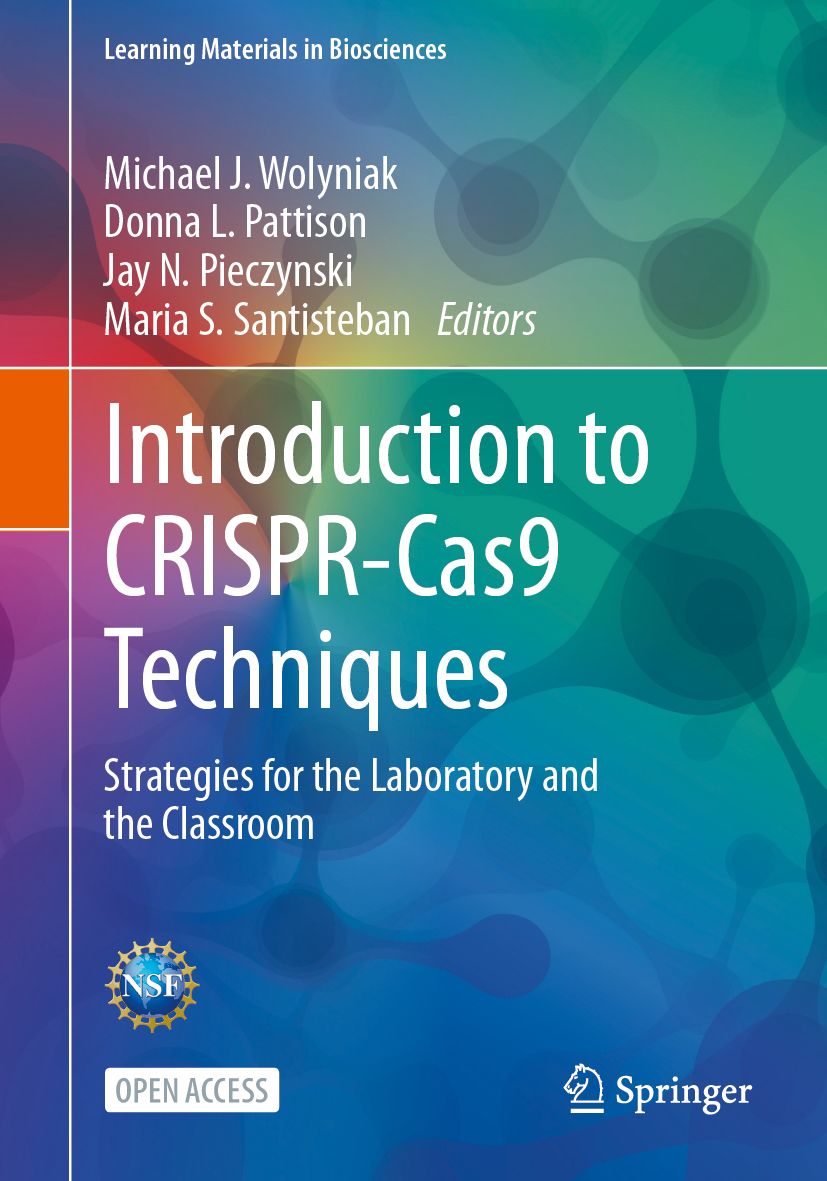
This book explains
the fundamentals of CRISPR-Cas9 technology and its applications across biological model systems. Designed as an open-access textbook, it introduces students to efficient and ethical use of CRISPR in research and teaching. Edited by experts, it serves as a practical resource for undergraduates, advanced high school classes, and educators in molecular biology, genetics, and bioengineering.

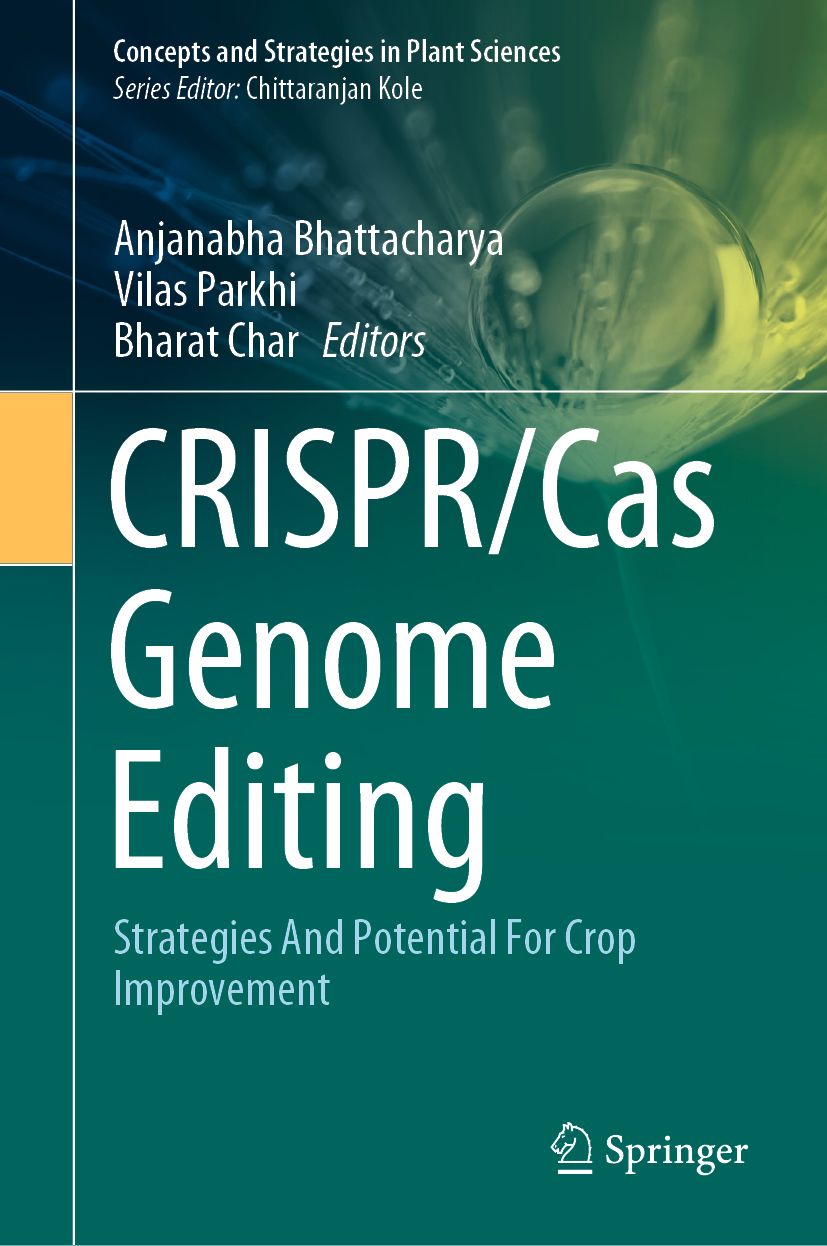
This book explains
how CRISPR/Cas genome editing is transforming agriculture, from climate-smart crops to food security. It covers applications in cereals, floriculture, and stress-resistant plants, alongside bioinformatics, regulatory frameworks, and policy decisions. Featuring contributions from leading experts, it serves as a comprehensive guide for researchers, educators, policymakers, and industry professionals seeking to apply CRISPR in agricultural innovation.


 Built with Shorthand