



2017
#MeToo
Global event
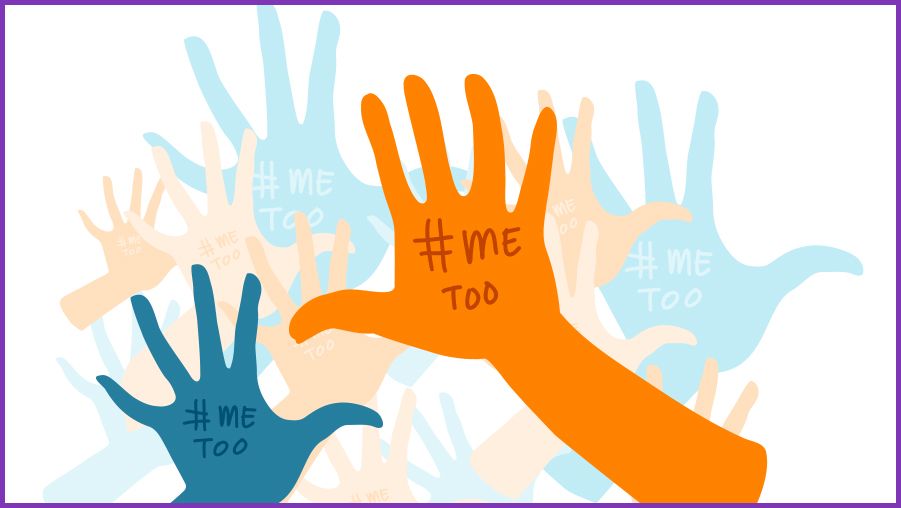
Founded by Tarana Burke back in 2006, “Me Too” started as a movement supporting survivors of sexual violence, especially young women of colour from low wealth communities. The #MeToo hashtag reached the entire globe in 2017 after actress Alyssa Milano used it in a social media post to share her experience as a victim of sexual harassment. This way, the movement went viral, raising awareness about the magnitude of sexual harassment and abuse. Half a million people responded to Alyssa Milano’s tweet in the first 24 hours.
Societal, political, and scientific relevance
The hashtag #MeToo marked the beginning of a global movement against sexual and gender-based violence. It aims to fight for increased accountability and justice for survivors. The public dimension of the initiative offered reassurance for survivors that they are not alone, shifting attitudes and narratives towards sexual harassment and gender-based violence, and helped abuse survivors seek support. It helped people advocate for safer workspaces and a change in power structures.
There’s also been backlash against the movement, with some claiming that men are accused and their reputations ruined despite a lack of evidence against them, showing concerns about fairness and due process, claiming that they’ve become hesitant when interacting with female coworkers.

Impact on research and education
The movement brought new research initiatives looking into anti-sexual harassment politics but also connecting the movement with various fields such as communication and media studies, gender and queer studies, law and criminology.
Role of Springer Nature books
Springer Nature eBooks use the #MeToo movement to dive into diverse societal challenges exploring how gender, sexuality, and power intersect across different cultural, institutional, and geographic contexts. By examining issues such as justice, violence, and policy across continents, they provide a global, intersectional perspective on the systemic roots of gender-based violence and inequality.
These eBooks are valuable not only for understanding the broader implications of #MeToo but also for informing future research, policymaking, and educational strategies aimed at creating more inclusive and equitable societies.
Sustainable Development Goals
This topic aligns with the United Nations’ Sustainable Development Goals (SDGs), particularly SDG 5: Gender Equality. Organisations interested in supporting these goals can learn more through the SDG 5 book series.
Book highlights

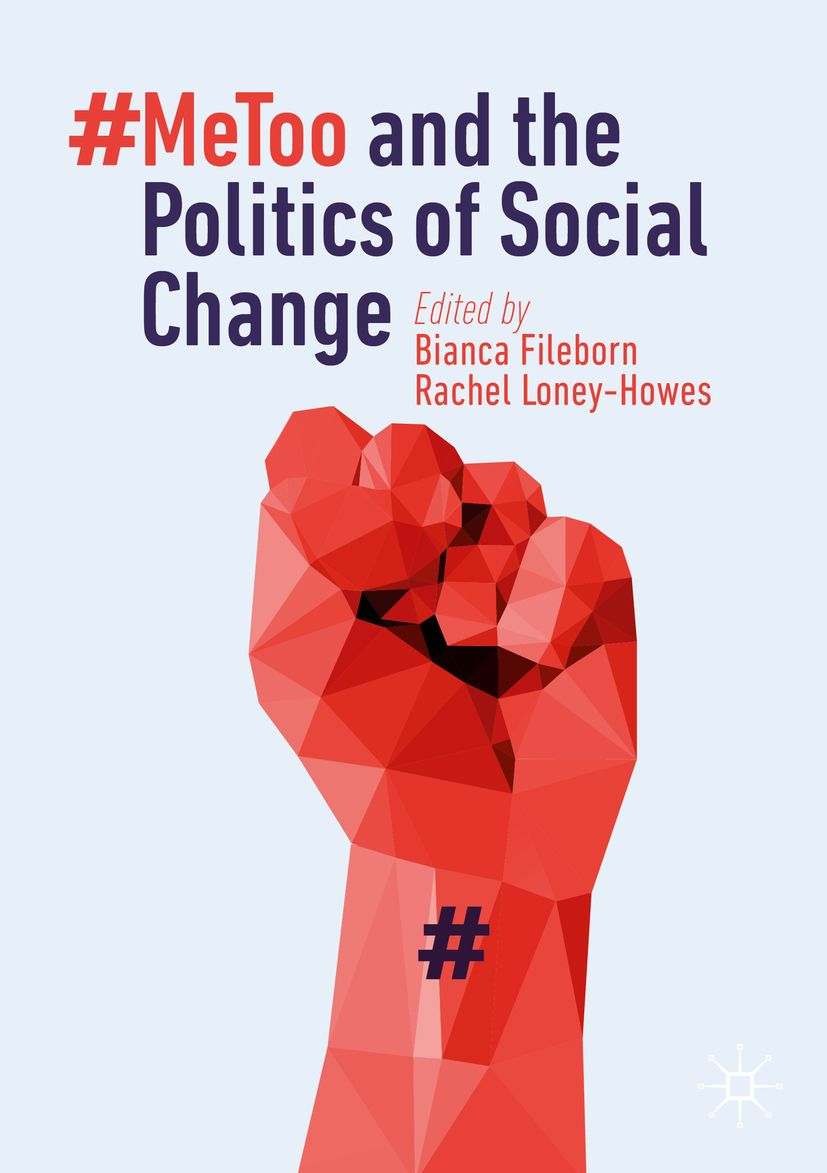
This book explains
the global impact of the #MeToo movement and its role in reshaping anti-sexual violence activism. Featuring 19 chapters from scholars and activists worldwide, it explores justice-seeking, movement limitations, and intersections with race, gender, and geography. Accessible and critical, it offers nuanced perspectives for academics, practitioners, and readers interested in contemporary feminist politics and social change.
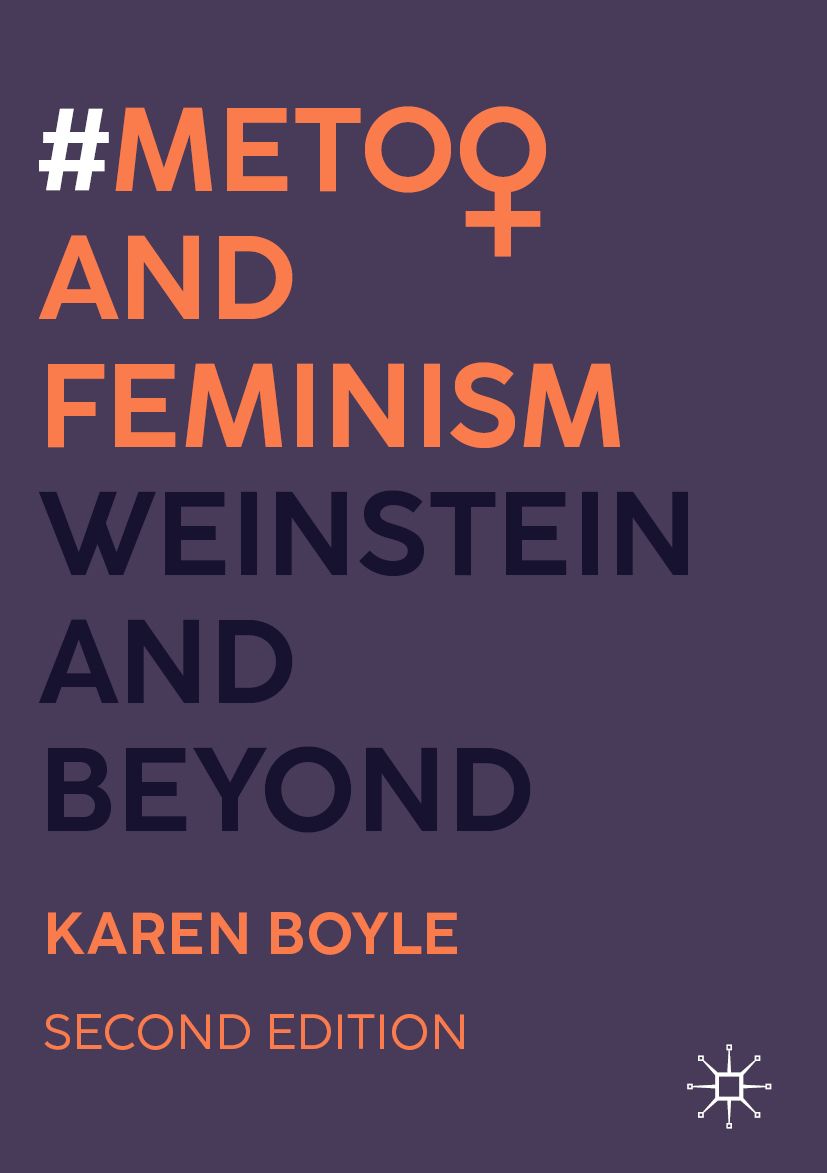
This book explains
the #MeToo movement within the broader history of feminist activism and popular misogyny. Boyle examines its impact on accused men, cancellation practices, and criminal justice through cases like Weinstein and R. Kelly. Two new chapters explore survivor testimony and the long #MeToo movement, offering critical insights into feminism, media, and gender politics in contemporary society.


This book explains
the complexities of sexual ethics, arguing that sex exists in a gray area between good, bad, and morally problematic. Drawing on science and movements like #MeToo, Hänel explores consent, communication, and context, challenging simplistic judgments. The book advocates for respect and nuanced understanding in intimate relationships, offering a fresh perspective on sexual morality.


 Built with Shorthand