



2016
Ebola Outbreak
Global event
According to the World Health Organization, the 2014–2016 outbreak in West Africa was the largest Ebola outbreak since the virus was discovered. The outbreak produced devastating results, with the number of lives lost higher than in all the other outbreaks together. Affecting countries in West Africa including Liberia, Guinea, and Sierra Leone, the disease also spread across continents, and reached Italy, Mali, Nigeria, Senegal, Spain, the UK and the US.
Authorities declared the outbreak over in June 2016, but not before 28,600 people had been infected and 11,325 had lost their lives.
Societal, political, and scientific relevance
The crisis came with a long list of implications persisting even after the outbreak’s end in 2016, such as cultural disruptions, social distrust, health system collapses and indirect mortality. Thousands were orphaned and the survivors faced stigma and social isolation, with education also halted. The outbreak produced major economic losses in the main countries affected.

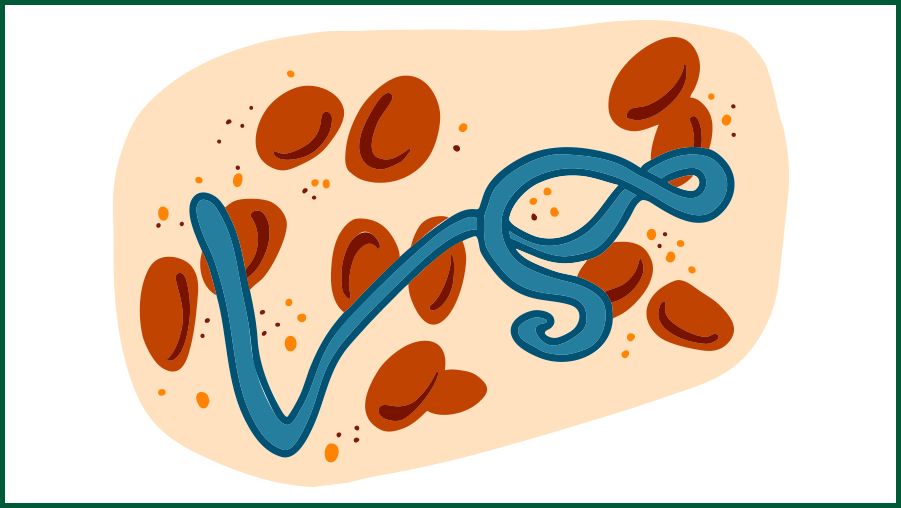
Impact on research and education
The outbreak triggered an increase of health and epidemiological research studies, exploring the virus biology, mutations, and vaccine developments. Additionally, it underscored the need to integrate science with social understanding when responding to health crises. Thus, its impact expanded to social sciences, ethics, policy, and capacity building, leaving a strong imprint on the study of epidemics.
“Of course, we all understand the rationality of what we need to do in times of a health crisis, but at the end of the day, it’s your son – are you telling me I can’t hug him, feed him, or be with him? Or it’s your mother who died, and you’re not even allowed to say goodbye.”
Role of Springer Nature books
Springer Nature eBooks show that epidemics are not just medical but deeply human crises, affecting all aspects of society, from mental health to ethics and social trust. These eBook titles offer researchers, governments, health organisations and not only indispensable tools for fighting threats through research and policy changes, but also with compassion and greater understanding and humanity.
Sustainable Development Goals
This topic aligns with the United Nations’ Sustainable Development Goals (SDGs), particularly SDG 3: Good Health and Well-Being. Organisations interested in supporting these goals can learn more through the SDG 3 book series.
Book highlights

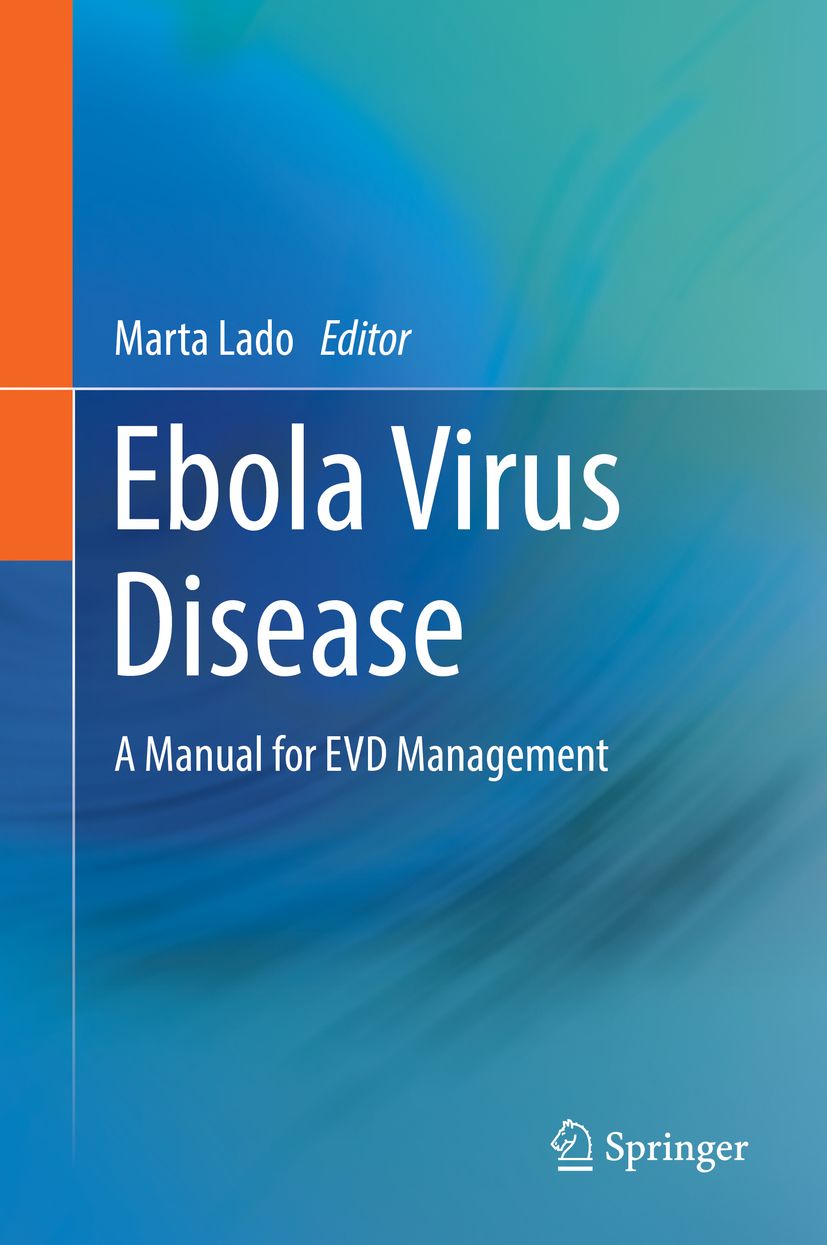
This book explains
practical strategies for managing Ebola Virus Disease outbreaks, from screening and isolation to protective equipment and waste handling. It reviews Ebola’s history, clinical features, and diagnostics, while discussing new therapies and experimental drugs. Drawing on field experience, Dr. Marta Lado and contributors provide essential guidance for laboratory practices and outbreak response in real-world conditions.
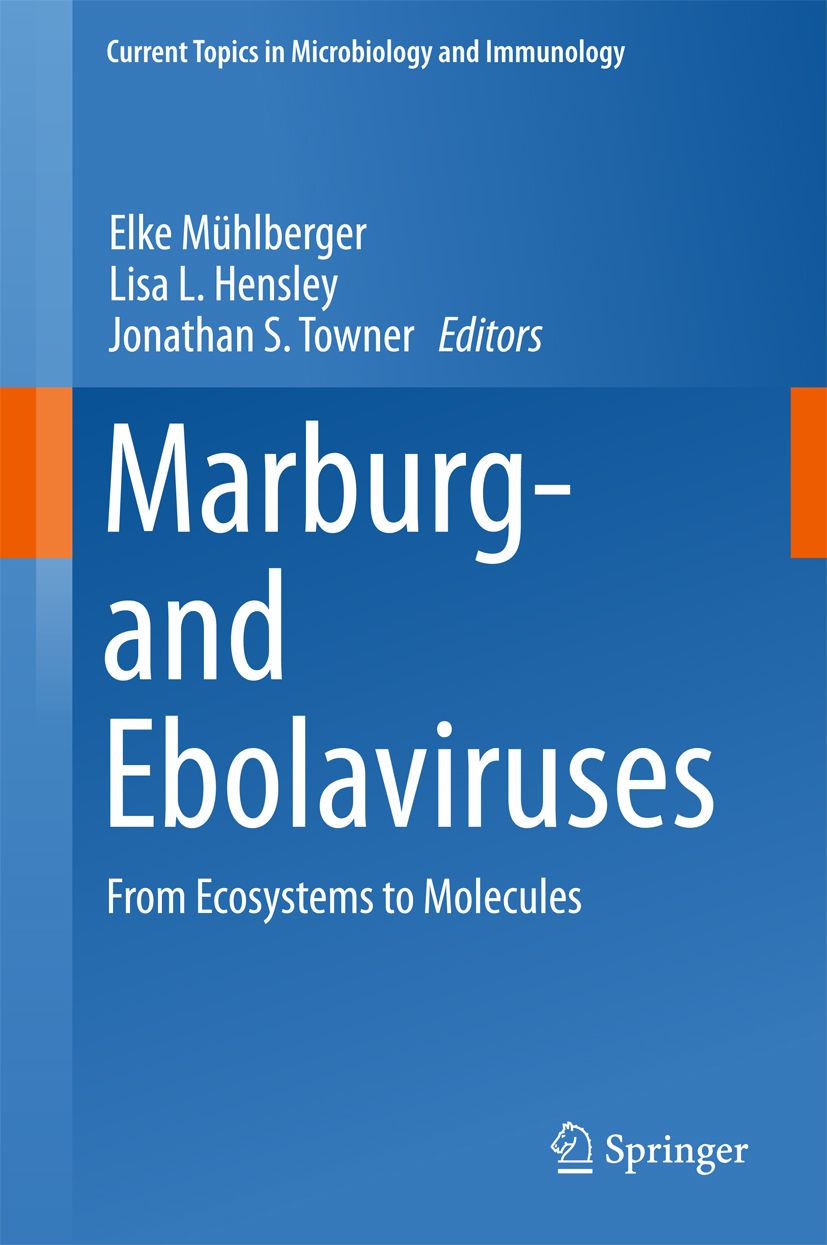
This book explains
the advances in understanding marburg- and ebolaviruses, covering ecology, outbreaks, clinical management, pathogenesis, and protection. It details virus replication, taxonomy, and molecular tools for study, while addressing global health threats posed by these pathogens. Written by leading experts, it serves as a comprehensive resource for researchers, clinicians, and students seeking insights into virus biology and countermeasures.

This book explains
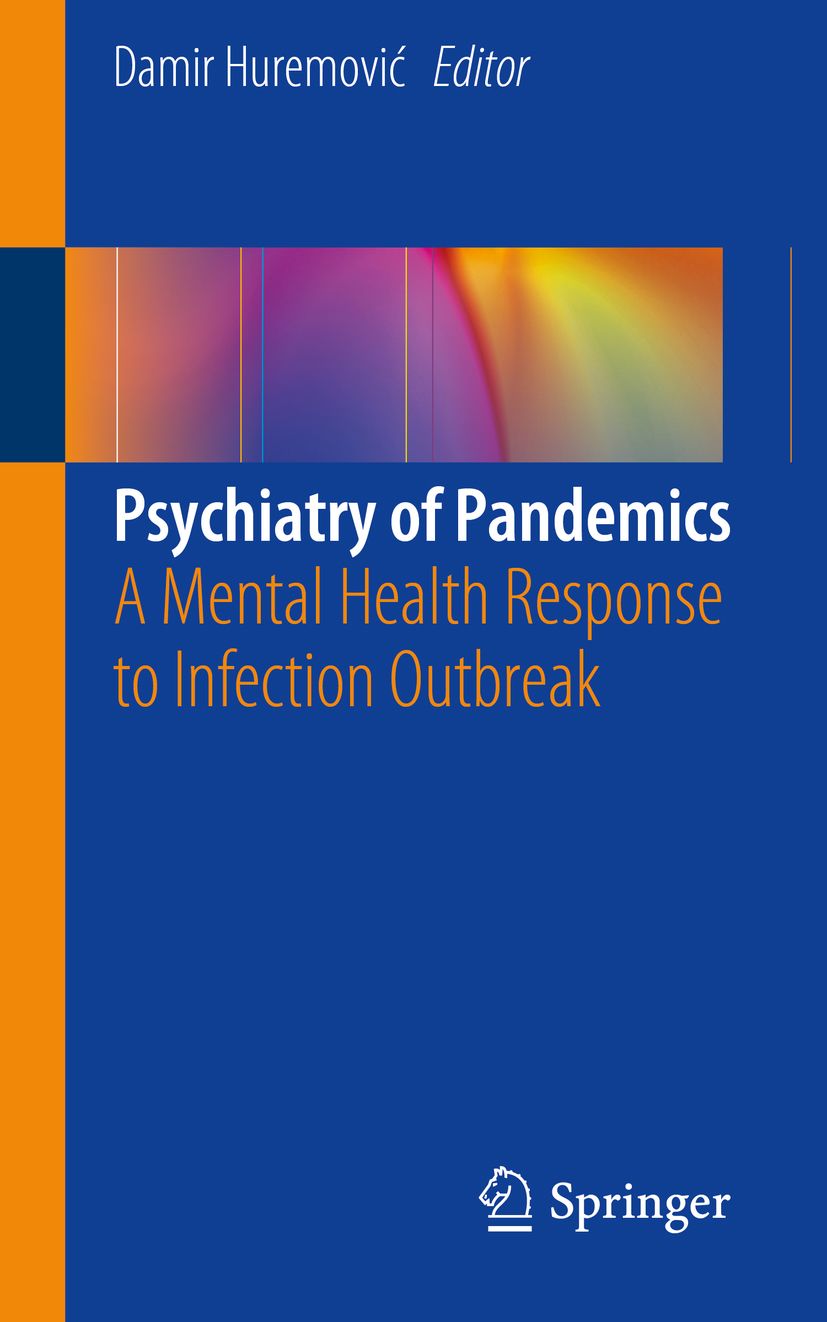
how to design mental health responses during pandemics by integrating disaster psychiatry with infectious disease management. It reviews historical outbreaks, climate-related challenges, and psychosocial impacts such as quarantine trauma and emotional epidemiology. Covering vaccination concerns, survivor care, and support for healthcare workers, it offers practical guidance for clinicians and public health professionals facing pandemic crises.


 Built with Shorthand