



2015
Migration reshapes Europe
Global event
In 2015, more than one million people arrived in Europe, most coming from Syria, Afghanistan, and Iraq, but many also fleeing from Eritrea, Nigeria and Somalia. According to the UN Refugee Agency, many of them crossed into Europe by sea in 2015, risking and even losing their lives, struggling to cross the Mediterranean. Escaping war zones, poverty, and persecution in the Middle East, they sought safety and shelter in Europe.
Societal, political, and scientific relevance
The migration crisis had an acute societal impact that is still being felt today. It permanently reshaped public discourse, politics, and community dynamics, creating both humanitarian solidarity and social tension. Despite the EU countries’ mobilisation to support newcomers, some reacted with fear and resistance, leading to a rise in xenophobia but also to the rise of populist, anti-immigration parties.
The crisis challenged key EU principles, including open borders and shared responsibility, and divided Europe’s perception of migration. Further, it affected public services such as housing, education, and healthcare, particularly in Greece and Italy, and sparked debates about integration, identity, and the role of media in shaping public perception. The crisis led to significant policy shifts, stricter border controls and controversial agreements like the EU-Turkey deal.
“Initially, it was a foundational moment for Europe becoming a land of refuge. It very quickly backfired. In 2016, we had the EU-Turkey statement and the closure of the borders through the Balkans, and after that, we see an increase in securitization, not just of migration but also of asylum.”


Impact on research and education
The 2015 Migration Crisis represented a critical moment in research, expanding greatly around humanitarian-centred topics such as asylum policies, integration and social cohesion, international law reform, but also border control. The nature of the crisis has brought a shift to research centred around human rights and legal dimensions of migration, going beyond the previous research themes, mainly focusing on migration driven by economic incentives or focused on labour markets.
Role of Springer Nature books
Springer Nature eBooks include series like the IMISCOE Research Series, which sheds light on the complex realities connected to international migration. Looking beyond legal and policy perspectives, these eBook titles explore the diverse dimensions, particularities, and human experiences of migrants, together with the challenges they face. The texts offered vary from the basis of migration studies to more nuanced, interdisciplinary research exploring the interplay of gender, emotions, and identity in migration journeys to foreign countries or when migrants return home.
These works allow researchers and educators to explore migration as a human phenomenon, inspiring questions regarding identity, justice, belonging, and social change.
“The strategy of the series is to expand the knowledge base and to really offer a service to the student and research community in immigration studies.”
Sustainable Development Goals
This topic aligns with the United Nations’ Sustainable Development Goals (SDGs), particularly SDG 10: Reduced Inequalities. Organisations interested in supporting these goals can learn more through the SDG 10 book series.
Book highlights

This book series
is the official IMISCOE collection, publishing peer-reviewed research on international migration and diversity. With over eighty titles, it offers empirical and theoretical insights from leading scholars across Europe. Most volumes are open access, making the series a key resource for researchers, students, and professionals engaged in migration studies worldwide.

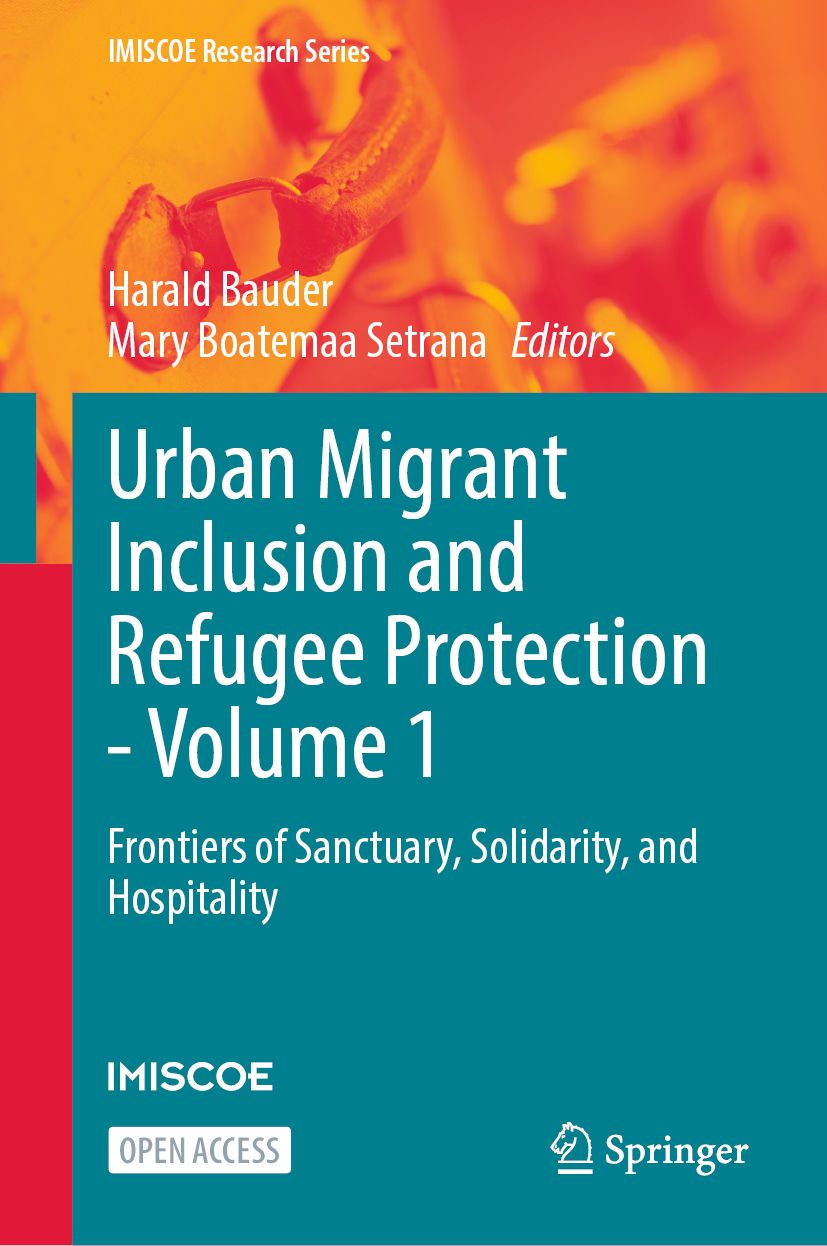
This book explains
how migrants’ and refugees’ resilience challenges Eurocentric and colonial views of urban solidarity, sanctuary, and hospitality. Framed by critical theories on the state, anti-colonialism, and spatial perspectives, it explores historical and contemporary practices of solidarity and estrangement. The volume introduces new conceptual approaches to urban hospitality and offers directions for future research and policy agendas.
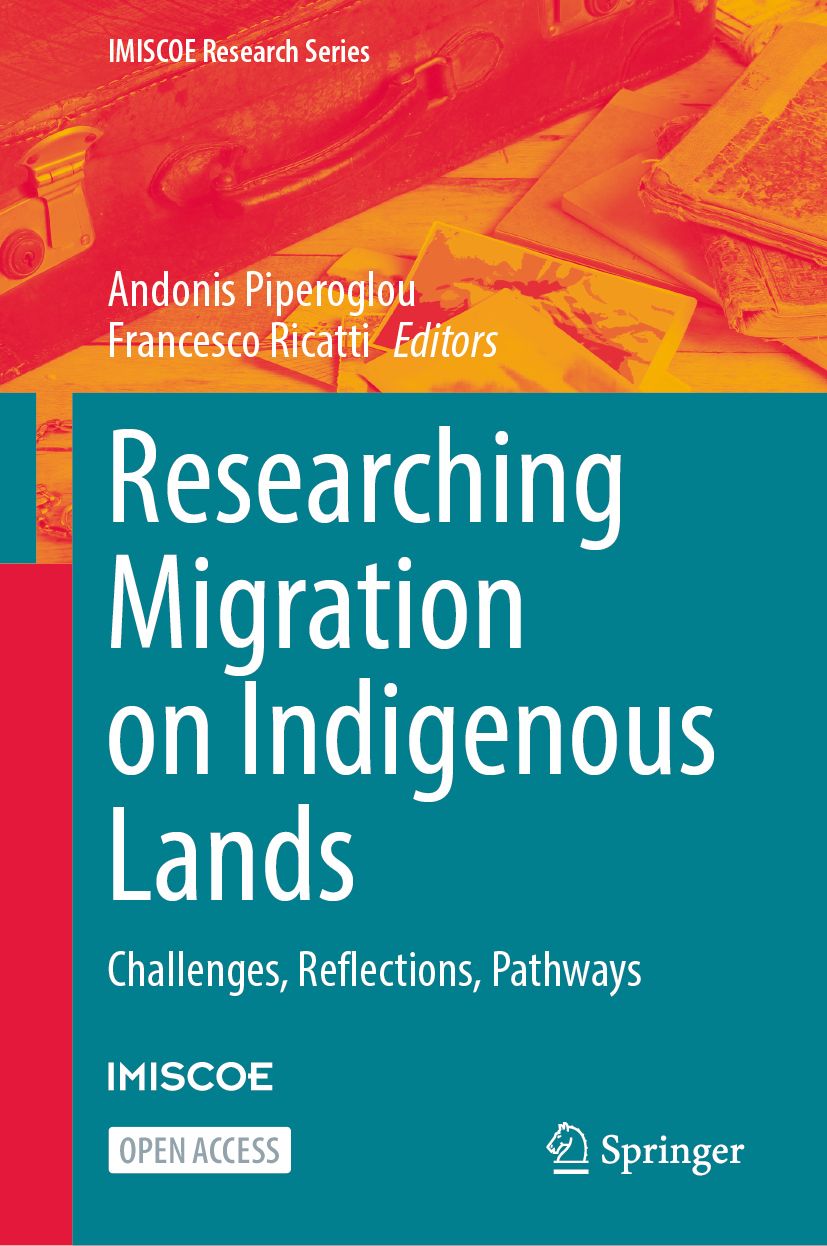
This book explains
the complexities of migration research on Indigenous lands, focusing on settler colonial Australia. It examines tensions between colonialism and Indigenous sovereignty, critiques conventional migration studies, and explores ethical, methodological, and theoretical challenges. Through interdisciplinary case studies, it reimagines migration research by integrating Indigenous knowledge and addressing colonial legacies, multiculturalism, and diversity—providing valuable insights for scholars, activists, and policymakers.


 Built with Shorthand