



2014
ALS Ice Bucket Challenge
Global Event
Starting from a request for funds to research amyotrophic lateral sclerosis (ALS), the Ice Bucket Challenge became a viral social media campaign that took off in the summer of 2014. People worldwide were asked to film themselves dumping buckets of ice water over their heads and share videos online to raise awareness and funds for ALS.
The movement became a global phenomenon, with 17 million videos uploaded and watched billions of times. High-profile participants took part in the challenge, including Bill Gates, Steven Spielberg, Taylor Swift, Lady Gaga, and Oprah Winfrey, and while many others were not famous, their contributions added up. By the end of the summer, more than 28 million people had donated an estimated $220 million worldwide, exceeding previous ALS research budgets many times over.
Societal, political, and scientific relevance
Beyond its entertainment value, the Ice Bucket Challenge sparked once again discussions about the power of social media activism. Despite critics accusing participants of engaging in trivial activities instead of meaningful support, it was generally believed that the challenge achieved its goal and did far more than just go viral. Through its social media popularity, the challenge drew unprecedented attention to a rare, overlooked disease, inspired millions of people to donate, and set new standards for how online communities can mobilise and support charitable causes.


Impact on research and education
The funds raised through the Ice Bucket Challenge supported ALS research significantly, including through Project MinE, which is an international initiative aiming to understand ALS’ genetic structure by DNA sequencing of thousands of people. Research funded by these donations helped researchers identify the NEK1 gene, which contributes to about 3% of ALS cases. This breakthrough advanced understanding of ALS’ genetic roots. Aside from spreading awareness, the viral challenge directly accelerated scientific discoveries, allowing for the development of potential treatments.
Role of Springer Nature books
Springer Nature eBooks cover fields from memetics and digital economics to media influence, political participation, and online authenticity, studying how viral moments like the 2014 Ice Bucket Challenge show that digital culture can sometimes transform online actions into sources of scientific and societal change. These eBooks provide scholars with critical frameworks and novel research to analyse how viral trends can fund scientific breakthroughs, influence democratic processes, and redefine public engagement.
Book highlights

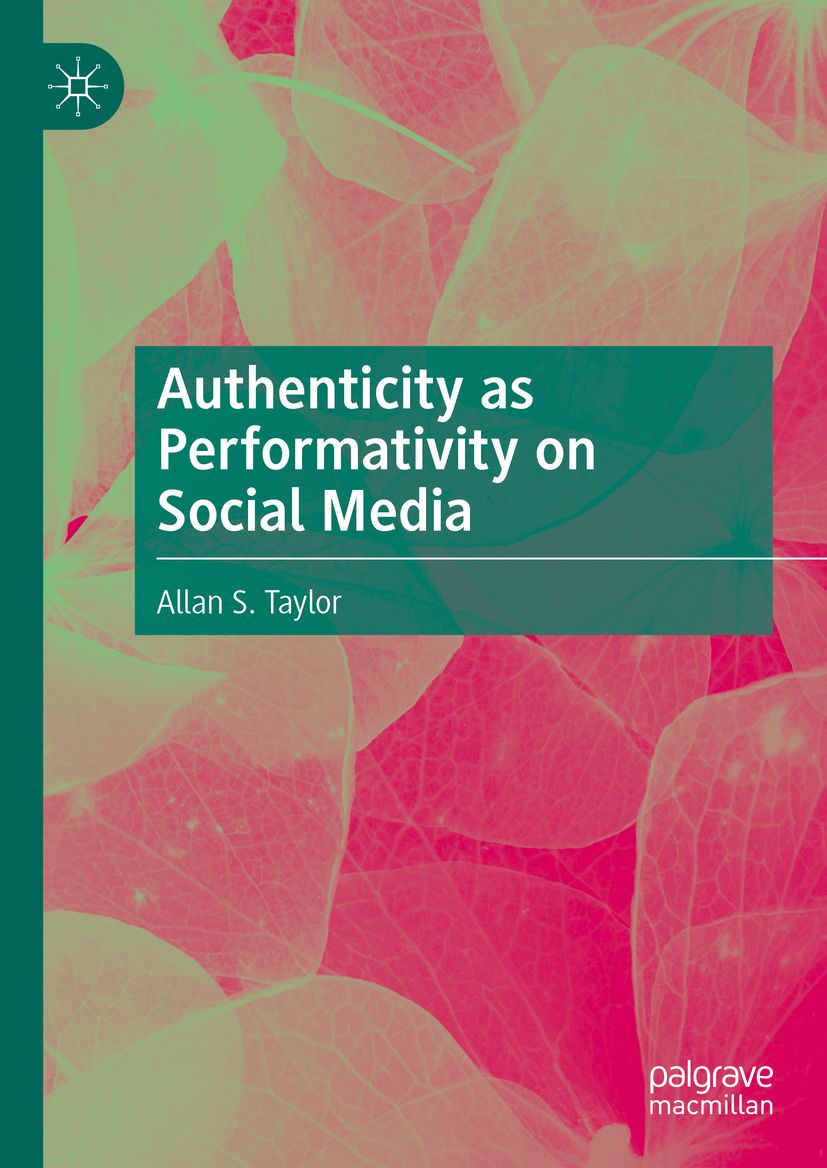
This book explains
how authenticity on social media is less an attainable ideal and more a fleeting performance. Using a post-structural lens, Taylor critiques the rise of “neoliberal authentic,” linking productivity to self-actualization. Through influencer culture, memes, and self-representation, the book offers a new framework for understanding authenticity and challenges its role as a cultural ideal.


This book explains
how meme theory can enrich evolutionary economics through “economemetics,” combining memetics and complexity theory. It explores cultural and economic evolution, organizational memetics, and agent-based models of knowledge diffusion. Using examples like the Ice Bucket Challenge, the authors show how memes shape innovation networks and discuss creativity, agency, and normativity as central issues for future research.

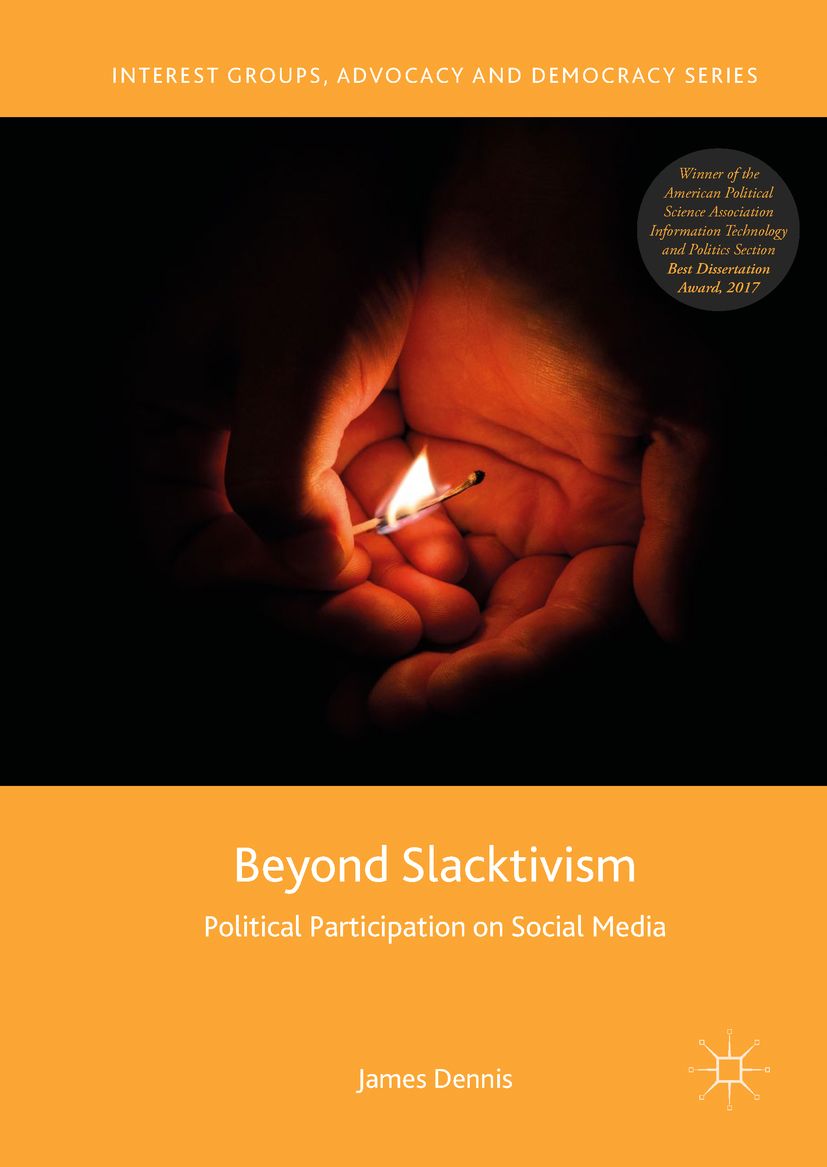
This book explains
how everyday social media use influences political participation beyond the notion of “slacktivism.” Dennis introduces the continuum of participation, showing how citizens engage with news, civic discussions, and activism online. Through ethnography and reflective diaries, the book argues that routine digital practices can strengthen democracy, challenging narrow critiques of online activism.


 Built with Shorthand