



2013
The rise of Black Lives Matter
Global Event
The Black Lives Matter (BLM) movement emerged in 2013 as a social and political online movement advocating for racial justice and equality under the hashtag #BlackLivesMatter. It was formed following the acquittal of George Zimmerman, who fatally shot 17-year-old Trayvon Martin in Florida. The movement seeks to draw attention to the systemic racism and violence toward Black communities. From a social media post, it quickly evolved into a decentralised global movement characterised by campaigns against police brutality and racial inequality, calling for multiple reforms.
Societal, political, and scientific relevance
BLM had a deep impact on shaping societal awareness and public discourse around racial justice, sparking conversations about police reform and the lived experiences of black communities. Besides global solidarity protests, the movement influenced legislation and determined organisations and institutions to assess their roles in perpetuating or fighting racism.
BLM Matter has also transformed cultural and media narratives, promoting conversations about representation, equity and inclusion. Social media has played a pivotal role in boosting the movement, with platforms like Twitter, Instagram, and Facebook enabling real-time documentation of injustices, mobilised protests, and connected activists across borders, turning BLM into one of the most influential civil rights movements of the 21st century.

Impact on research and education
BLM has influenced significant academic research across disciplines such as sociology, law, public health, and media studies. The topics examined include discrepancies in policing and justice, the way intersectionality shapes how discrimination is experienced, but also the power of digital activism and mobilisation using social media platforms. Researchers have shifted their focus to prioritising community engagement and marginalised voices.
Role of Springer Nature books
Springer Nature eBooks explore the critical issues the BLM movement raised. These titles provide invaluable resources for policymakers, researchers, and educators committed to racial justice, covering topics from the ethics of allyship and systemic racism to policing, policy reform, and intersectionality, offering in-depth insights across disciplines.
Together, these works deepen understanding of the complex moral, institutional, and cultural influences behind racial inequality and equip readers with essential tools to assess and challenge systemic injustice.
Sustainable Development Goals
This topic aligns with the United Nations’ Sustainable Development Goals (SDGs), particularly SDG 10: Reduced Inequalities. Organisations interested in supporting these goals can learn more through the SDG 10 book series.
Book highlights

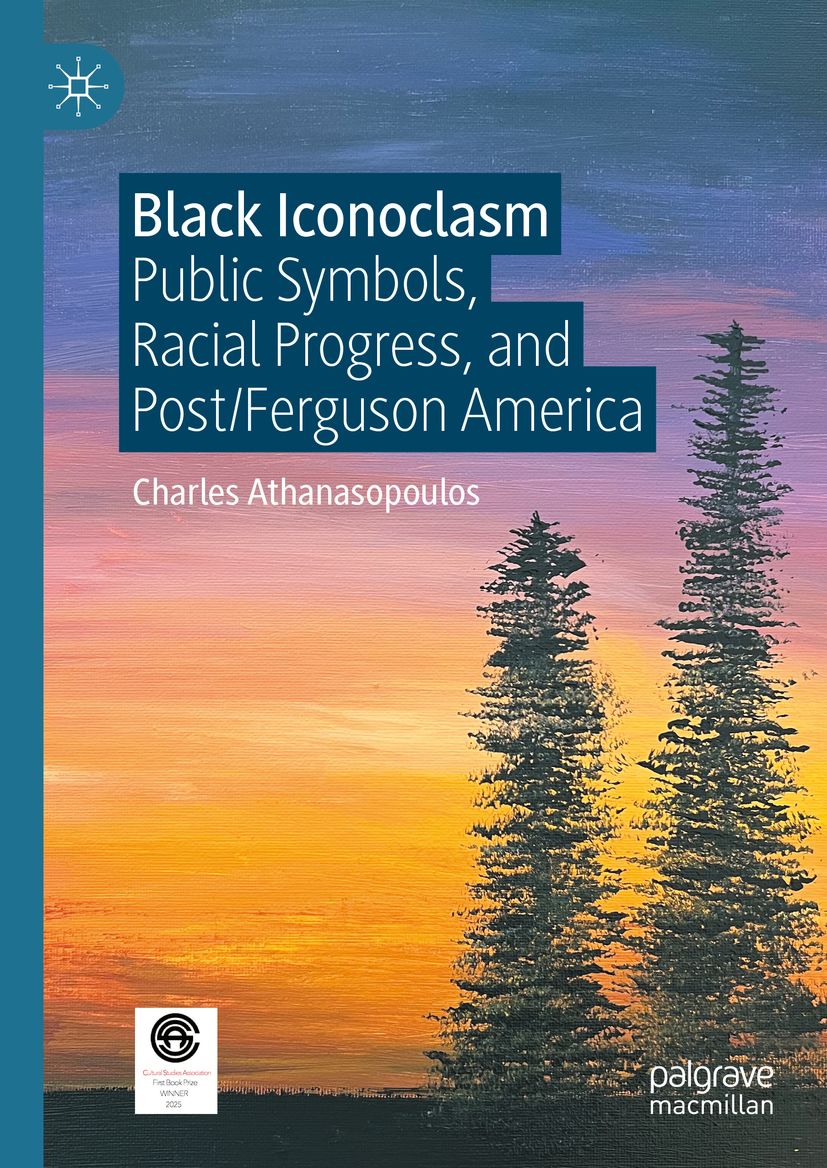
This book explains
Black iconoclasm as a critical approach to racial progress and liberation beyond Eurocentric notions of destroying icons. It explores activism, theory, art, and media in post-Ferguson America, revealing how Black radical disruption resists purity politics and embraces liminality. Athanasopoulos reframes iconoclasm to uncover new strategies for challenging co-option and evolving Black resistance.
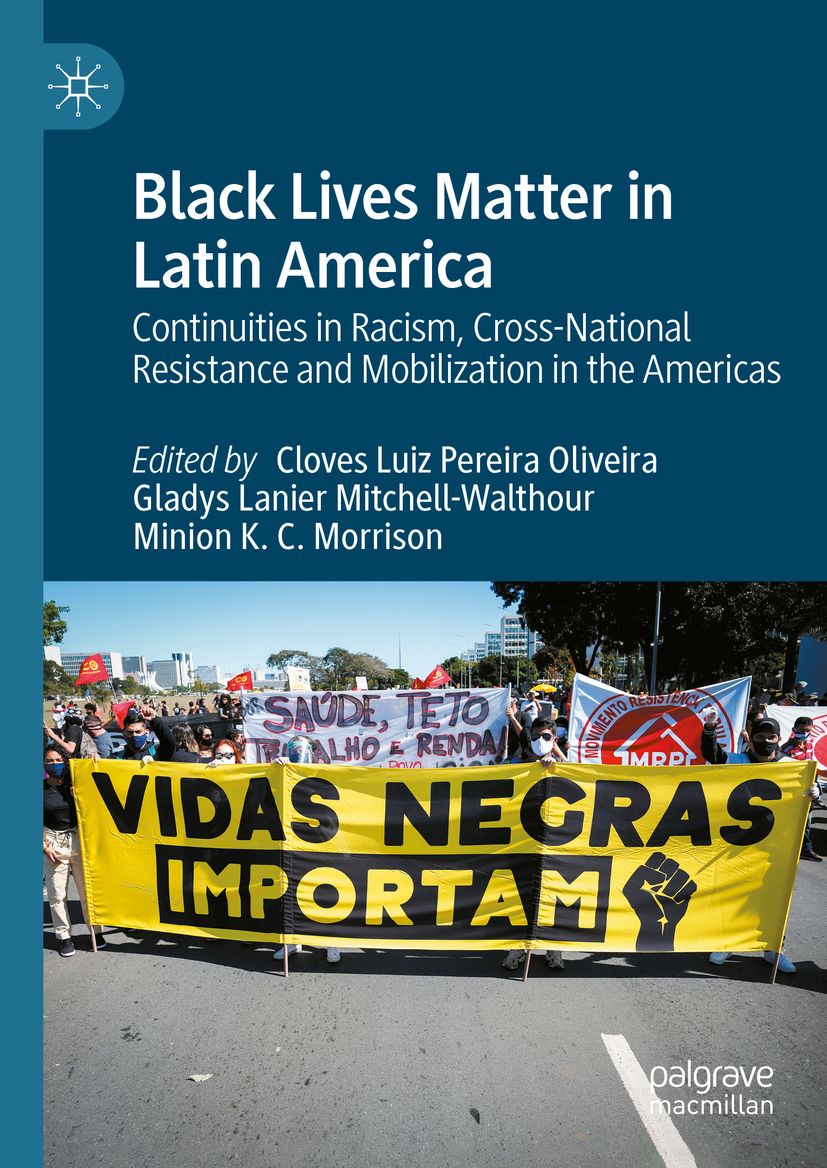
This book explains
how Black activism in Latin America spans academia, policy advocacy, and digital platforms. It examines movements in Brazil, Colombia, Peru, and Cuba, highlighting struggles for racial justice and the role of social media in independent activism. Contributors explore links to Black Lives Matter and the impact on legislation, gender, and immigrant rights across diverse contexts.


This book explains
the rise and mainstreaming of Black feminist politics from “black girl magic” to Black Lives Matter during the 21st century. It examines leaders, digital organizing, and the influence of feminist principles on U.S. politics, including the 2016 election. Expanding earlier editions, it explores gender, sexuality, and social media’s role in shaping contemporary political struggles.


 Built with Shorthand