



2011
Disaster at Fukushima
Global event
Following a major earthquake, a tsunami affected the Fukushima Daiichi Nuclear Power Plant, disabling the three reactors’ cooling systems. This led to core meltdowns, hydrogen explosions, and the release of radioactive materials into the sea and air. Authorities classified this accident as the second worst accident in nuclear power history, after the Chernobyl disaster.
Societal, political, and scientific relevance
Over 150,000 people were forced to evacuate due to radiation concerns. While no immediate deaths were attributed to radiation, health-monitoring continues. For the communities living there, the accident forced the evacuees to live in temporary shelters for months or years. This has caused health consequences including the increase of disaster-related deaths and limited access to healthcare. Authorities had difficulty addressing issues due to disrupted infrastructure, disconnection of evacuees from their municipalities, and the reduced number of health workers.

Impact on research and education
The disaster prompted a global re-evaluation of nuclear energy policies. Countries like Germany accelerated plans to phase out nuclear power, aiming for nuclear safety. In research, there has been an increased focus on radiation health effects, disaster preparedness, and environmental contamination. Long-term studies on mental health, lifestyle changes, and community resilience have also emerged.
Role of Springer Nature books
Springer Nature eBooks go into detail on important lessons from Fukushima, providing political, societal, economic, cultural, and environmental dimensions. Some of the topics covered are highly interdisciplinary, ranging from the dynamics of radioactive cesium in forest ecosystems to radiation protection or the socio-economic aspects of radiation effects.
Considering that the number of nuclear power plants is increasing, Springer Nature eBooks explain how to prepare for a severe nuclear accident, with titles suitable for researchers all over the world as a lesson for the future.
Sustainable Development Goals
This topic aligns with the United Nations’ Sustainable Development Goals (SDGs), particularly SDG 7: Affordable and Clean Energy. Organisations interested in supporting these goals can learn more through our SDG 7 book series.
Book highlights

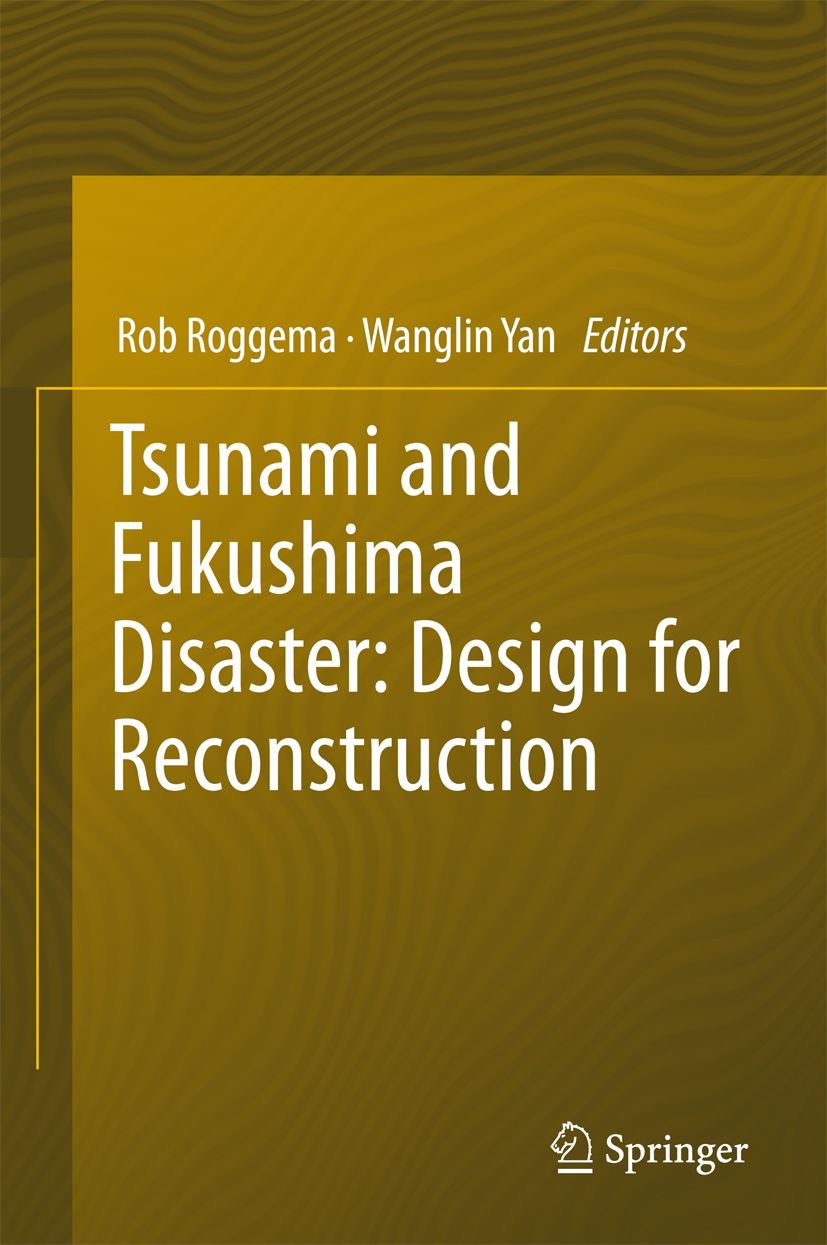
This book explains
the design response to multiple disasters in Minamisoma and Kesennuma, Japan. It presents the local context, details the design process, and includes thematic reflections on energy, demographics, environment, and more. Concluding with participant insights, it offers recommendations for applying this approach across the Tohoku region and globally in disaster recovery and urban planning.

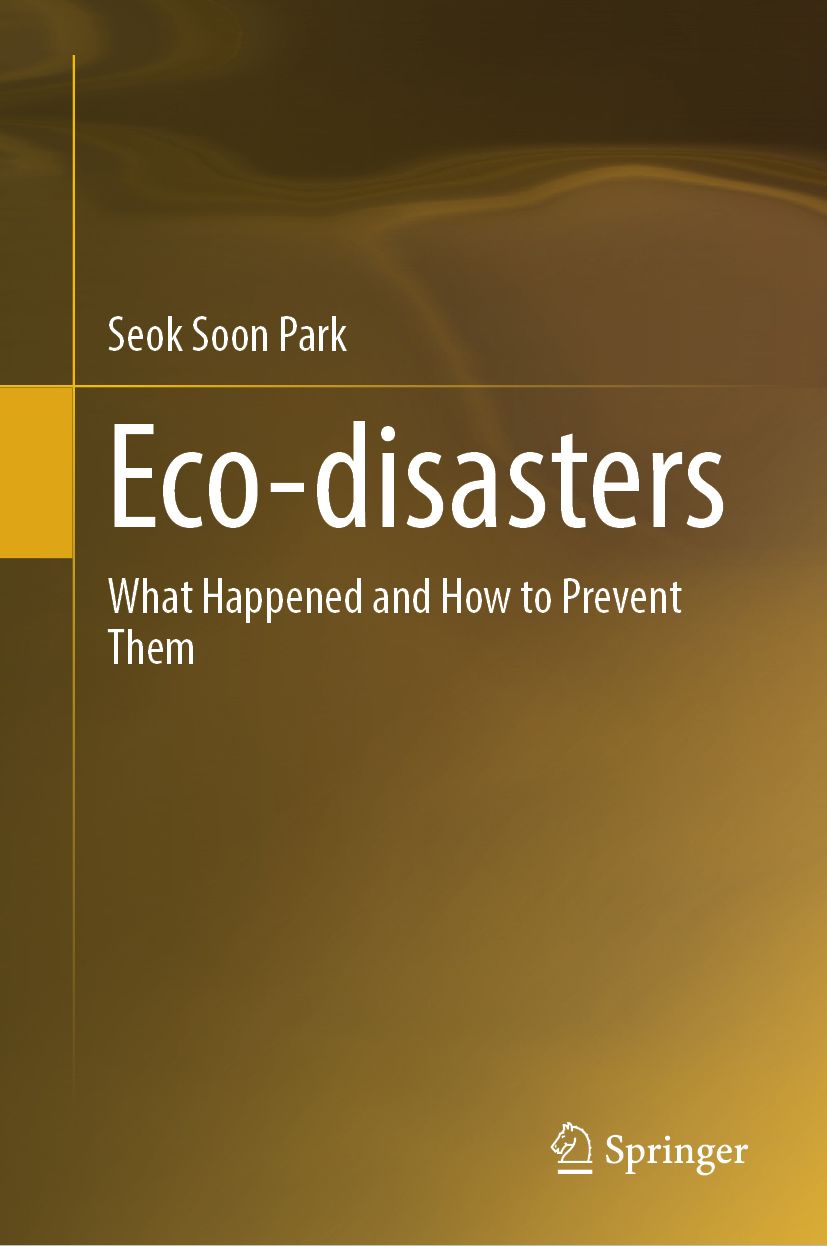
This book explains
42 representative environmental disasters across seven thematic parts, from 19th-century events to modern global concerns. It covers disasters related to air, water, toxic pollutants, nuclear accidents, and everyday environmental risks. Grouping similar cases—like oil spills and industrial pollution—it offers a comprehensive overview of environmental crises and their impacts.
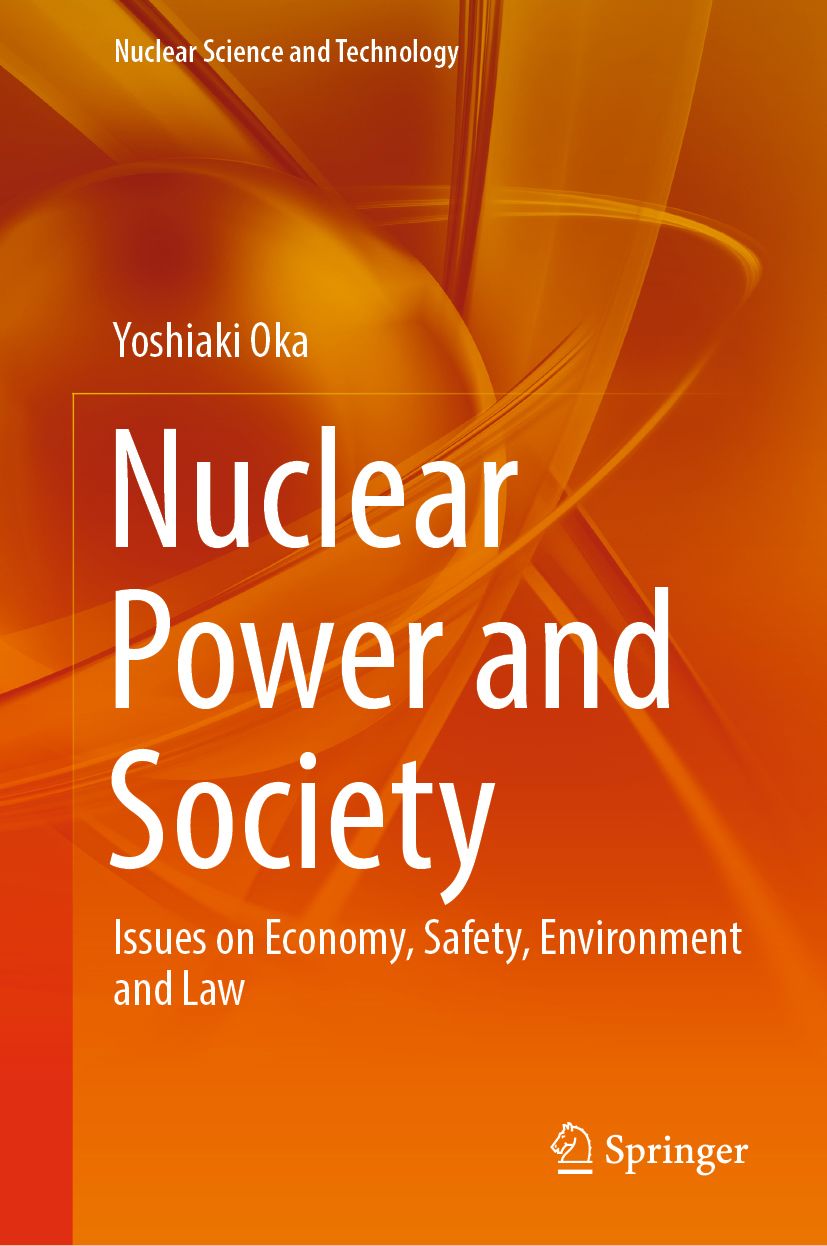
This book explains
the complex relationship between nuclear power and society, addressing key issues like risk communication, radioactive waste, economic liberalization, and non-proliferation. Drawing on lessons from the Fukushima accident and international frameworks, it integrates perspectives from economics, law, engineering, and environmental studies. Written by a former Japan Atomic Energy Commission chairman, it offers expert insights for a broad audience.


 Built with Shorthand