



2010
The Arab Spring
Global event
The Arab Spring was a wave of pro-democracy protests and uprisings that spread across countries in North Africa and the Middle East. The issues described to have led to protests are, among others, human rights violations, political corruption, economic decline, and extreme poverty. The protests spread rapidly through social media collective activism, causing the collapse of the governments of Tunisia, Egypt, Libya, and Yemen.
Societal, political, and scientific relevance
The Arab Spring brought a wave of political consciousness, challenging decades of authoritarian rule and demanding dignity, freedom, and justice. The uprisings reshaped public discourse, empowered civil society, and highlighted the power of digital tools in mobilising mass movements.


Impact on research and education
The Arab Spring offers a rich case study in political science, sociology, media studies, and international relations. Researchers continue to explore its causes, trajectories, and consequences, using it to refine theories on democratisation, state failure, and collective action. The Arab Spring also underscores the importance of interdisciplinary approaches in understanding rapid societal transformations in the digital age.
Role of Springer Nature books
Springer Nature eBooks feature extensive research on the Arab Spring’s underlying currents, such as the connection between new communication technologies and forms of resistance, collective action, and forms of expression that played a role in the upraising, and which are still an important part of the political upheavals in the region.
These eBooks offer diverse yet complementary perspectives that deepen understanding of the uprisings and their broader implications. They include detailed analyses of how international and regional powers responded to the Arab Spring, making it a key resource for scholars examining foreign policy, international relations, and the changing geopolitical landscape in the Middle East and North Africa.
In these eBooks, you’ll find analysis of public opinion data from across the Arab world, insights into democratic aspirations, value shifts, and societal attitudes toward liberalism and Islamism — highly valuable material for researchers in political sociology and comparative politics. These books help put the Arab Spring in a broad context, alongside other, similar protests taking place around the world in recent history.
Sustainable Development Goals
This topic aligns with the United Nations’ Sustainable Development Goals (SDGs), particularly SDG 16: Peace, Justice and Strong Institutions. Organisations interested in supporting these goals can learn more through our SDG 16 book series.
Book highlights

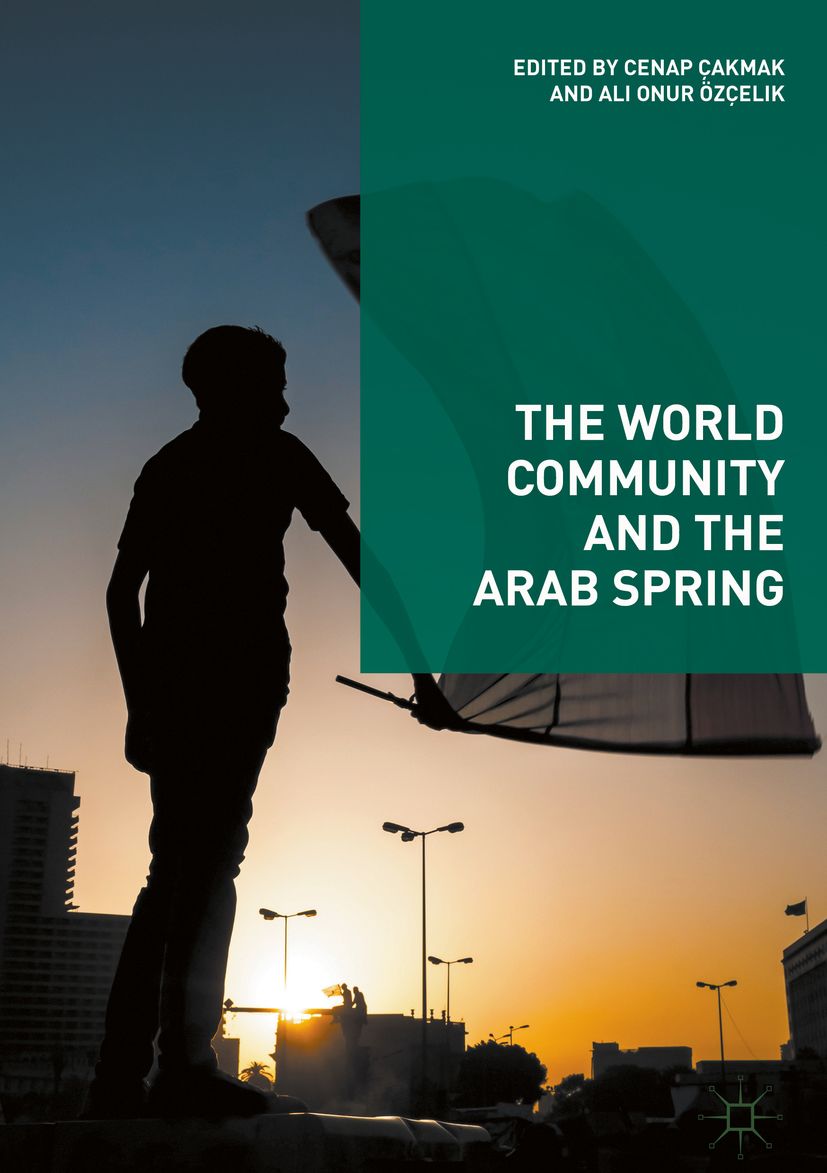
This book explains
how the international community—including major states and intergovernmental organizations—responded to the Arab Spring. It analyzes foreign policy reactions from actors such as the UN, EU, US, Russia, China, and regional powers like Turkey and Iran. By examining these responses, the book offers valuable insights into the shifting dynamics of global politics and international relations.

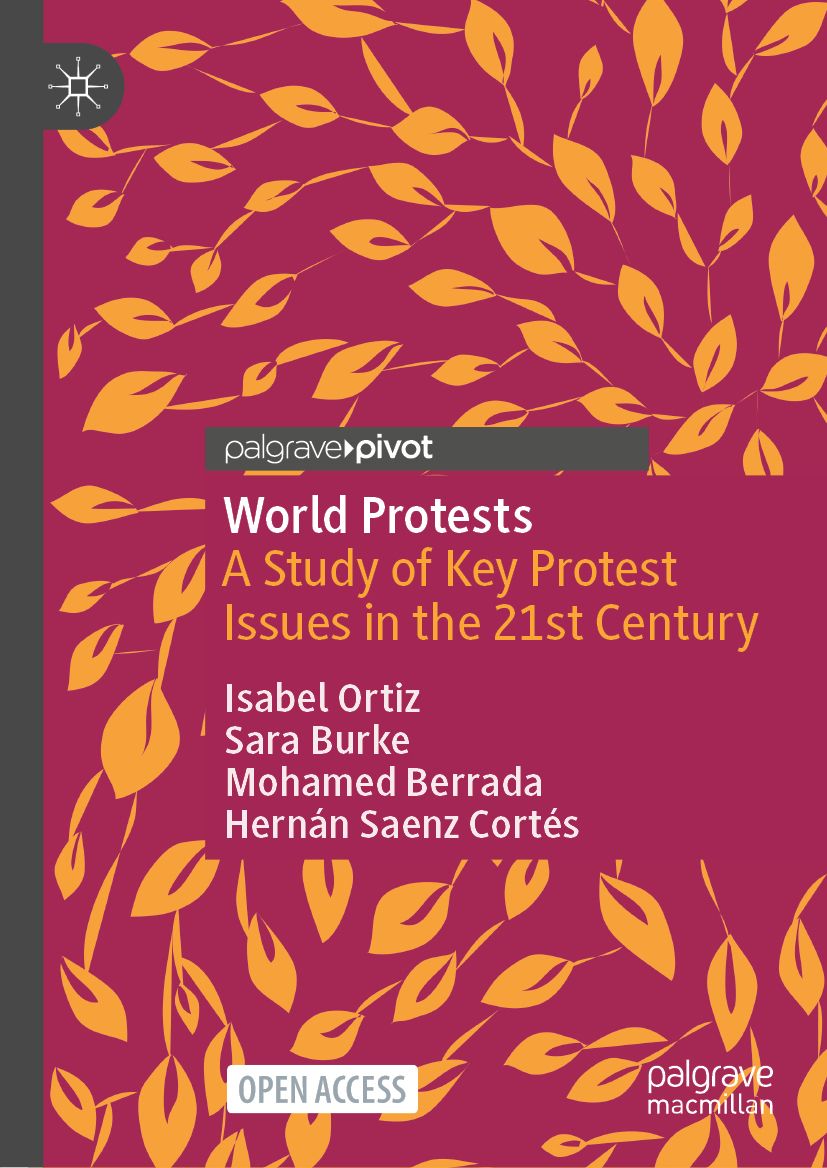
This book explains
nearly 3,000 protests across 101 countries between 2006 and 2020, covering movements like the Arab Spring, Occupy, and the Yellow Vests. It explores protest demands, participants, methods, outcomes, and repression, highlighting global trends such as inequality and climate activism. The study shows most demands align with human rights and UN development goals, urging policymakers to respond.

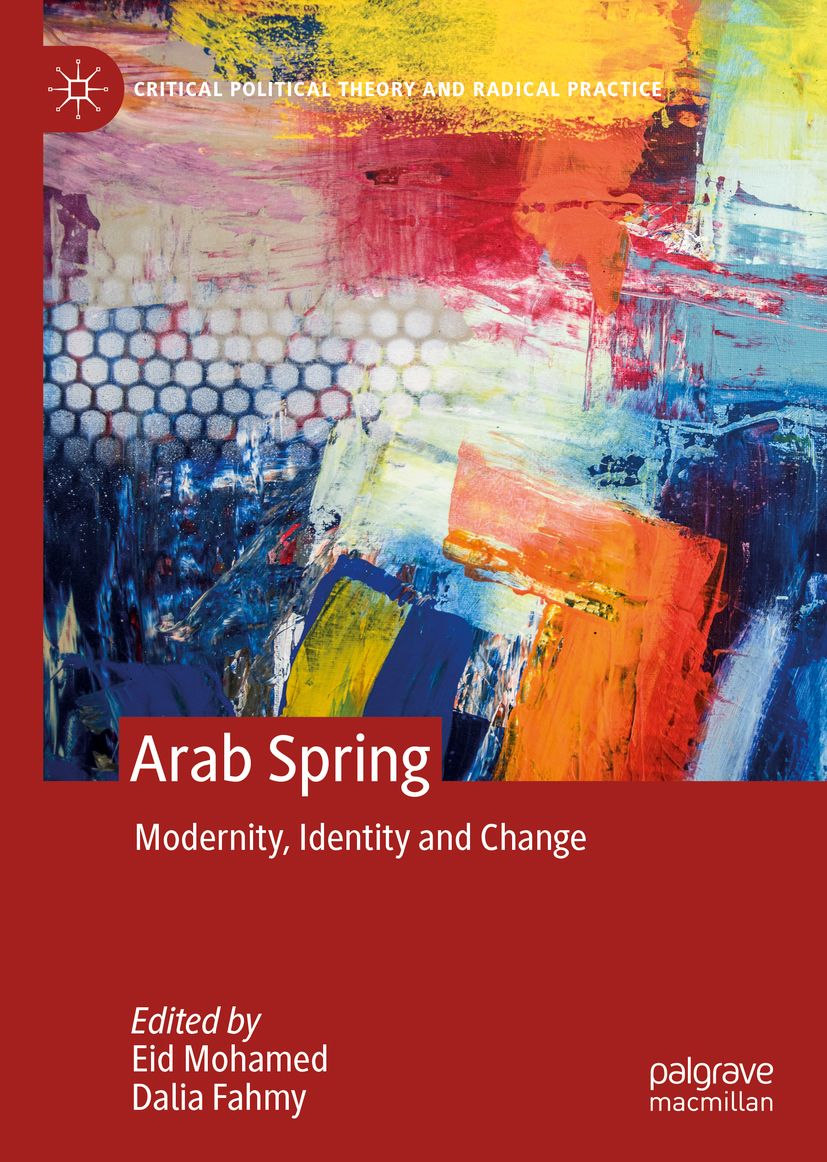
This book explains
emerging social and cultural dynamics in the aftermath of the Arab Spring, focusing on how communities experience crisis and transition. Using an interdisciplinary approach—spanning political science, cultural studies, media, and Middle Eastern studies—it challenges dominant theories and offers fresh insights. Though centered on the Arab world, its analysis speaks to broader global transformations.


 Built with Shorthand