



2009
Barack Obama Takes Office
Global event
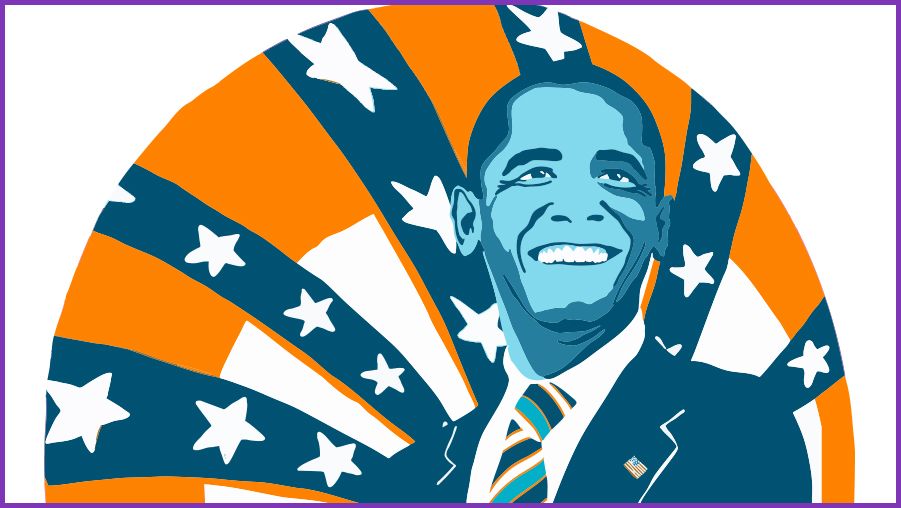
Barack Obama was elected the 44th President of the United States on November 4, 2008. He became the first African American to hold the office, defeating Republican candidate John McCain. His campaign emphasised hope, change, and unity, resonating with a nation facing economic crisis and war fatigue. His victory marked an historic moment in US history, symbolising progress in racial equality and a generational shift in leadership.
“It was incredibly historic to have Obama elected in the United States, a milestone many thought would herald a new age of equality. People just poured out into the streets, both in the United States and internationally. An estimated 250,000 people gathered in Berlin waving American flags, celebrating the hope that the US would reengage with the world again.”
Societal, political, and scientific relevance
Obama’s election was celebrated worldwide as a transformative moment. It reshaped global perceptions of the US, especially after years of strained international relations. His multicultural background and diplomatic tone inspired optimism for renewed global cooperation, particularly in areas like climate change, diplomacy, and multilateralism.

Impact on research and education
Obama’s election has become a key case study in political science, sociology, and media studies. It offers insights into race and identity politics, campaign strategy in the digital age, and voter mobilisation. American political campaigns ranging across the ideological spectrum from Donald Trump to Zohran Mamdani have made use of these lessons. His use of social media revolutionised political campaigning which other campaigns would learn from. Additionally, his presidency is frequently analysed in discussions on constitutional law, healthcare reform, and crisis management, particularly in the context of the 2008 financial crisis.
“The 2008 campaign was unlike any before it. Obama set the bar for how campaigns should be run in the future, using social media not to replace traditional campaigning, but to enhance it, connecting volunteers and building a real ground game.”
Role of Springer Nature books
Springer Nature eBooks provide researchers with in-depth, interdisciplinary secondary research on Barack Obama’s 2008 election. These eBooks explore critical themes such as race and identity in politics, digital campaigning, global diplomacy, and democratic reform.
They support academic research across political science, sociology, media studies, and international relations. The titles help scholars understand how transformative leadership moments shape public discourse, policy innovation, and global perceptions of power and progress.
Book highlights

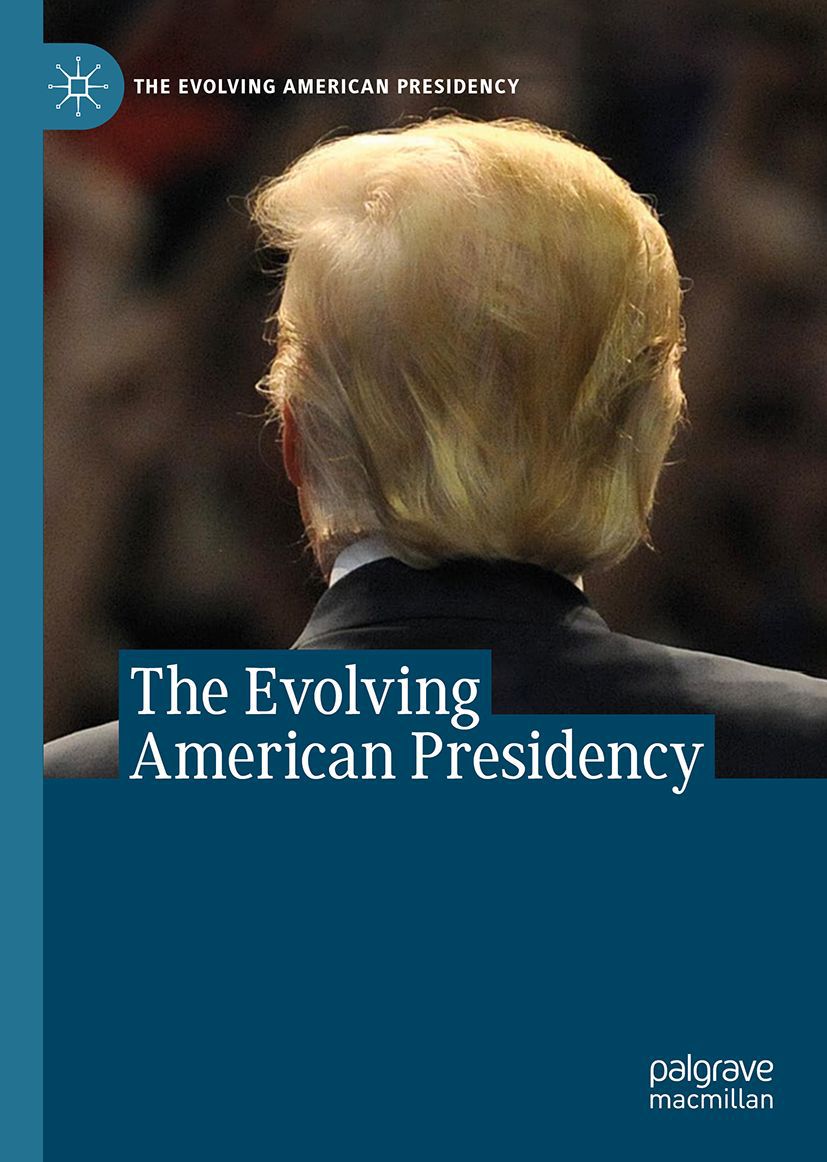
This book series
explains the evolution of the U.S. presidency from its original design to its modern form, shaped by wars, crises, and industrialization. It explores how presidents balance immense expectations with limited constitutional powers, addressing paradoxes at the heart of governance. Understanding these dynamics is essential to grasp the growing authority and challenges of the contemporary presidency.

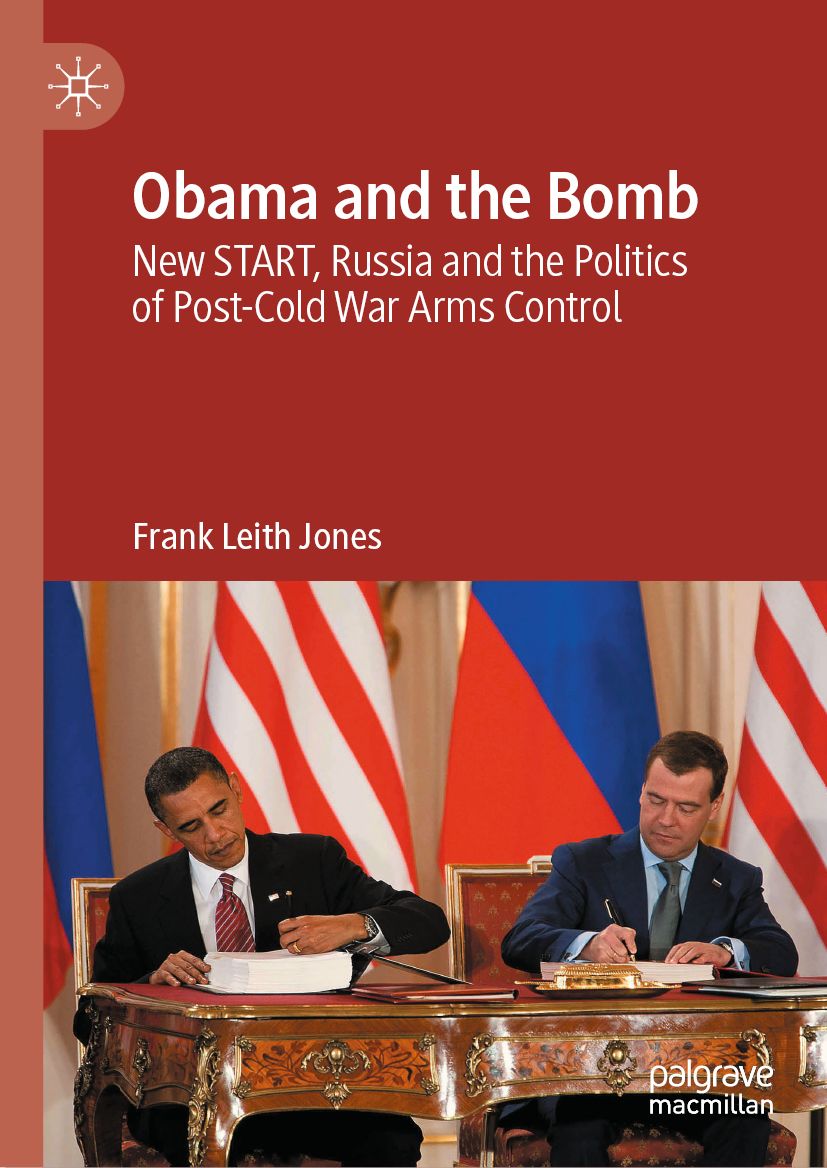
This book explains
how President Barack Obama leveraged the negotiation and ratification of the New Strategic Arms Reduction Treaty (New START) to advance his foreign policy goal of resetting U.S.–Russia relations. It examines the administration’s process of turning strategic vision into policy priority and successfully securing the treaty, highlighting its role as the cornerstone of the reset agenda during Obama’s first term.

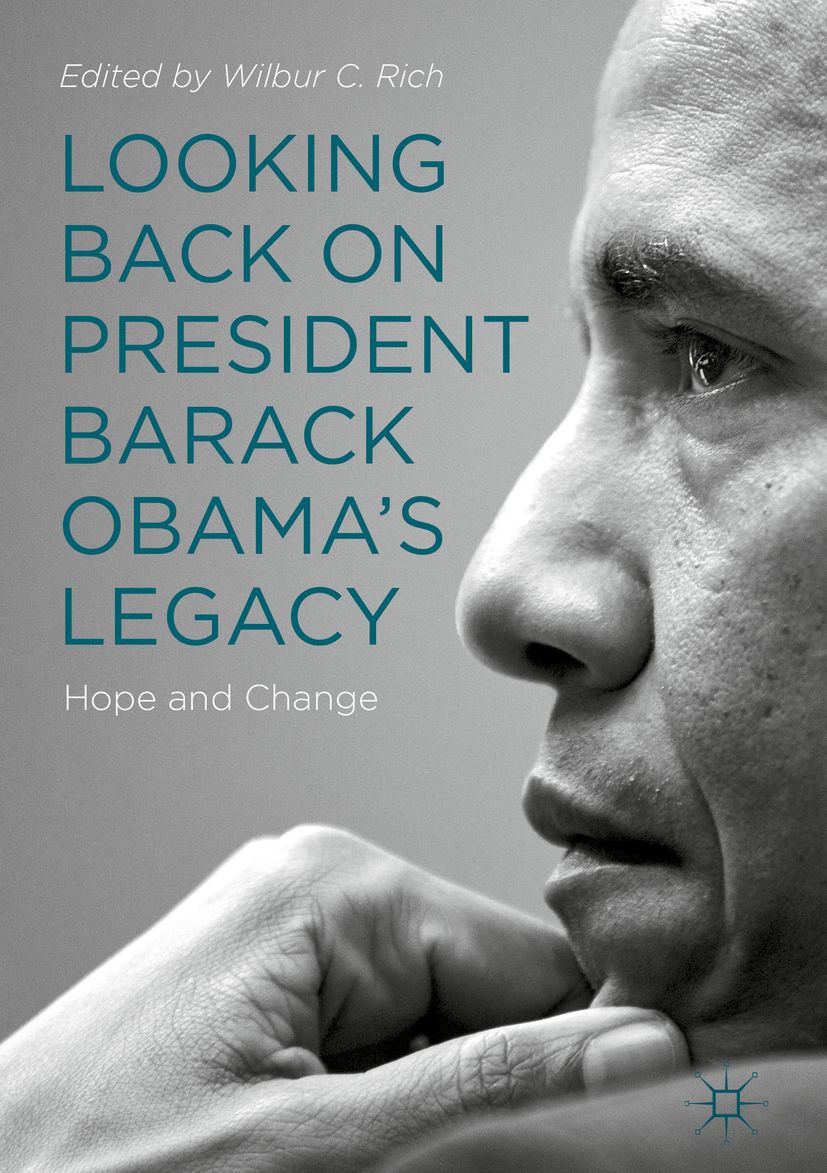
This book explains
the complex legacy of President Barack Obama’s administration, assessing its historical significance, achievements, and shortcomings. Written by experts from diverse fields—political science, sociology, history, and economics—it offers critical insights into Obama’s policies and leadership. Accessible to scholars, students, journalists, and general readers, it provides a balanced evaluation of his presidency within the broader context of U.S. political history.


 Built with Shorthand