



2008
Markets meltdown
Global event
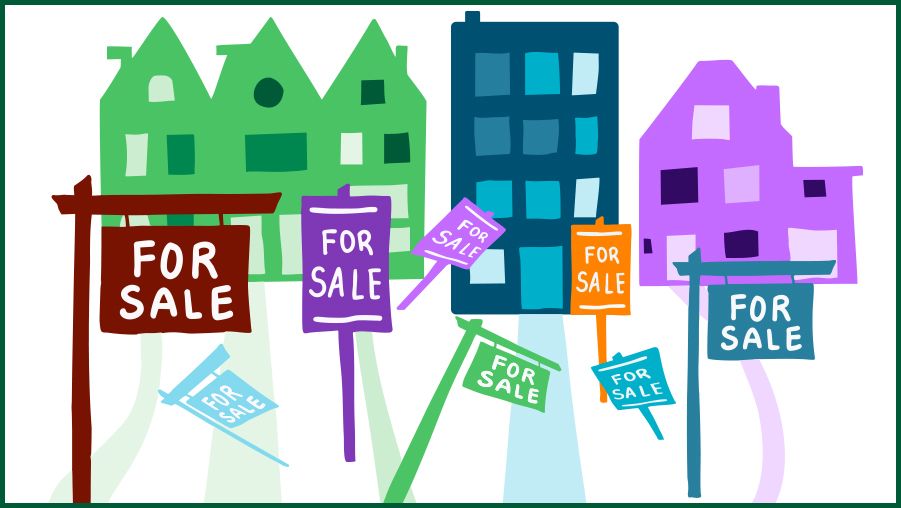
The crisis began with a collapse in the US housing market due to unsound subprime mortgages, followed by global banks holding mortgage-backed securities facing massive losses. In 2008, major institutions collapsed, triggering panic. The US government bailed out AIG, and credit markets froze, leading to a steep global recession. Governments worldwide responded with bailouts and stimulus packages to stabilise the economy.
Societal, political, and scientific relevance
Far-reaching impacts included sharp increases in global unemployment, entire industries at risk, and risks of deflation. Unemployment increased worldwide, with young people and low-income workers highly affected. Many families lost their homes, and public trust in financial institutions and governments eroded. The crisis deepened existing inequalities and contributed to a rise in mental health issues, including anxiety and depression, also fuelling political polarization and the growth of populist movements, as people questioned the fairness and stability of the global economic system.

Impact on research and education
The crisis sparked a major shift in focus, with economists beginning to explore systemic risk, behavioural finance, and the limitations of traditional economic models that failed to predict the collapse. Policymakers and scholars emphasised the need for stronger financial regulation. The crisis also encouraged interdisciplinary research, combining economics, sociology, and data science to better understand and prevent future financial meltdowns.
“Cinema offers something that traditional economic analysis often cannot: an accessible, emotionally resonant entry point into complex financial phenomena. As I explored in my research, films like The Big Short and Margin Call successfully translate arcane financial instruments into narratives that general audiences can comprehend and engage with, functioning as cultural artifacts that reflect and at the same time shape public understanding of economic events.”
Role of Springer Nature books
Springer Nature eBooks address the causes and ramifications of the international financial crisis of 2008 for the global economy from diverse and interdisciplinary perspectives. These eBooks support economists and policy makers, as well as international entrepreneurship and businesses. Springer Nature authors explore regulation, state projects and inflation.
In these eBooks, Springer Nature’s authors develop and explain ideas for economic recovery and stability, connecting the past and present by assessing the current outlook and diverse fiscal strategies.
Sustainable Development Goals
This subject is closely connected to the United Nations’ Sustainable Development Goals (SDGs), particularly SDG 8: Decent Work and Economic Growth. Institutions interested in advancing these goals can learn more through our SDG 8 book series.
Book highlights

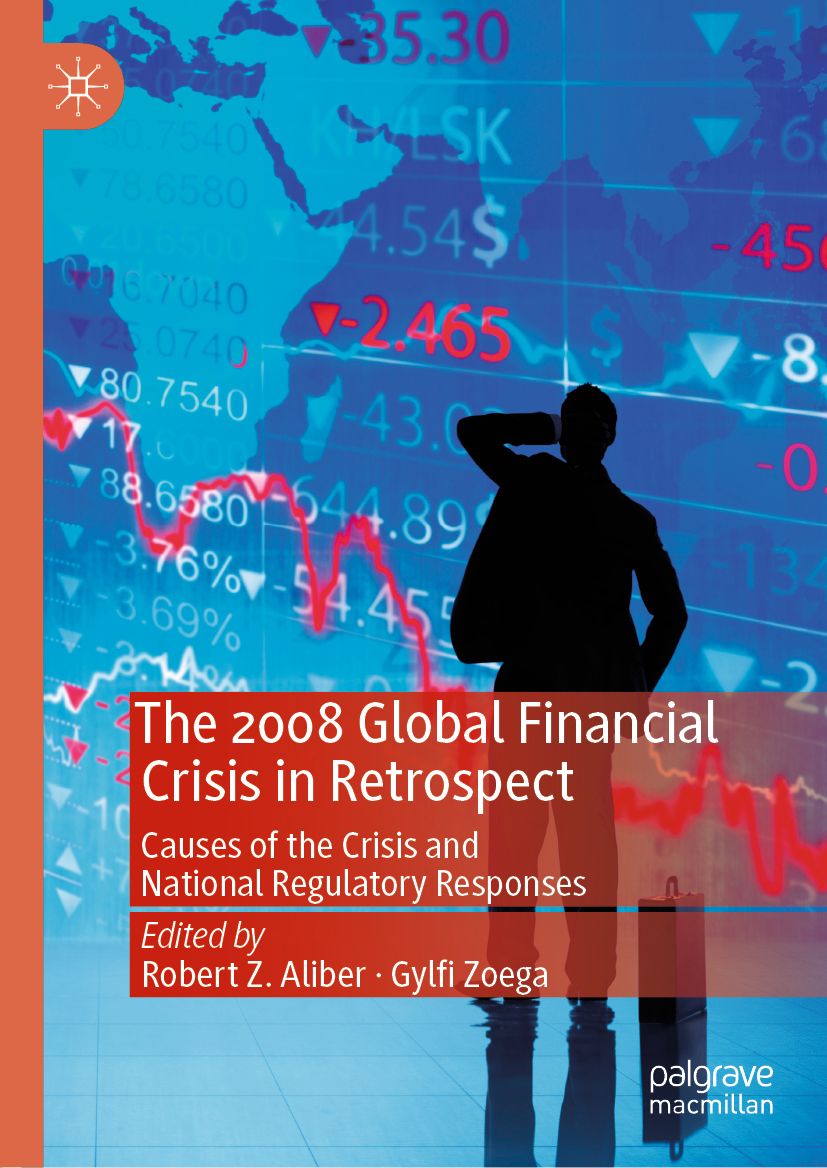
This book explains
the causes and aftermath of the 2008 financial crisis, focusing on the U.S. and Iceland. It explores why Iceland’s recovery was swift, offering insights for countries facing similar issues. Topics include regulation, state intervention, and inflation, making it valuable for economists and policymakers.
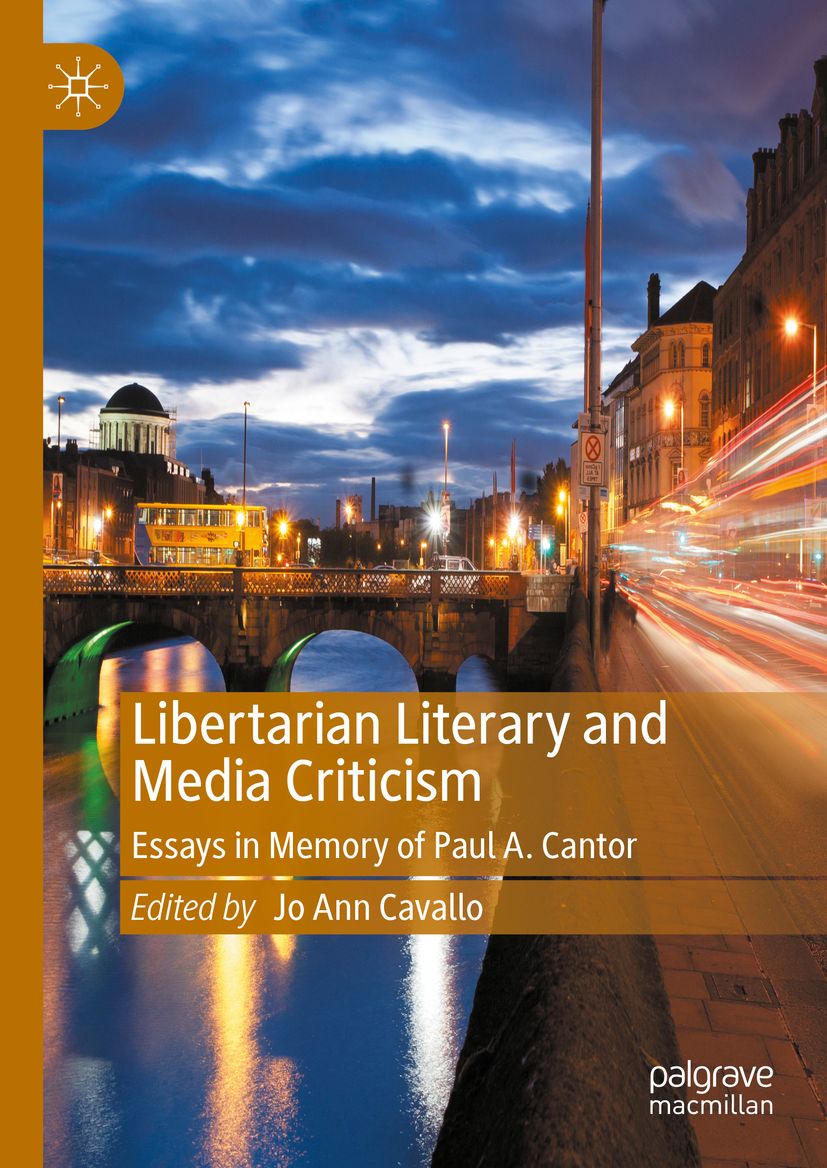
This book explains
libertarian philosophy and free-market economics in literature and media, contrasting capitalism with statism across genres—from early modern drama to comics and television. Chapter 11 explains how four films—Too Big to Fail, Margin Call, The Wolf of Wall Street, and The Big Short—portray the 2007–2009 financial crisis. It analyzes their narratives, critiques their accuracy, and highlights anti-market biases in popular representations.
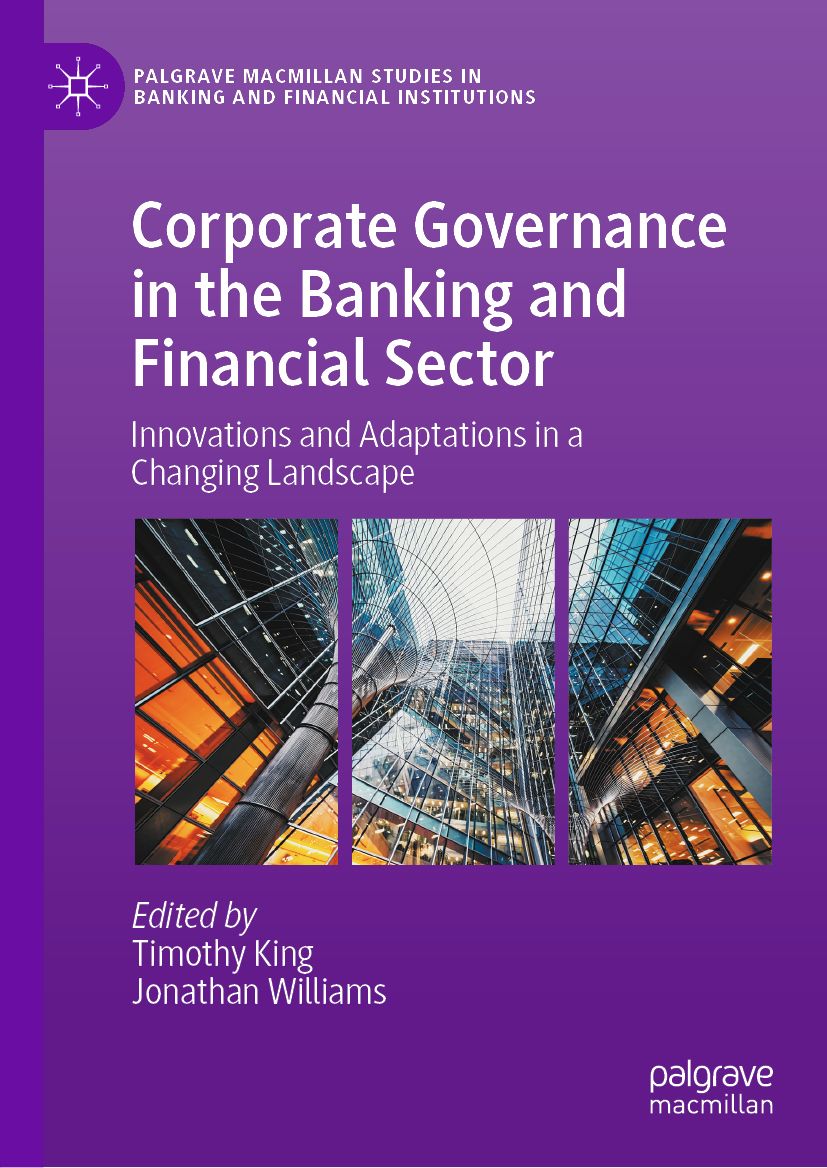
This book explains
evolving challenges in corporate governance within the banking sector, especially since the 2007–09 Global Financial Crisis. It explores reforms like Basel III, the rise of FinTech, ESG investing, and the impact of COVID-19 on digitalization. Structured in three sections, it compares governance factors before and after the crisis, offering insights for researchers, students, practitioners, and policymakers.


 Built with Shorthand