



2007
The power of iPS cells
Global event
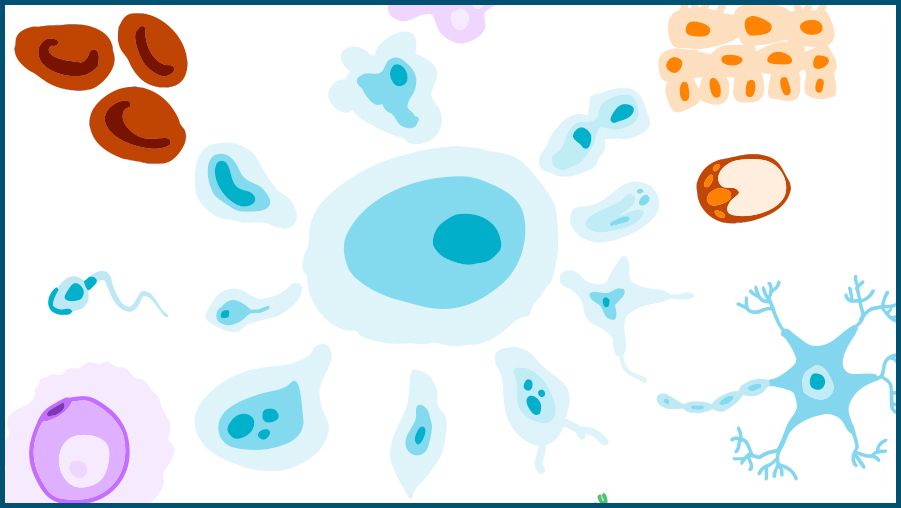
In 2006 and 2007, building on the work by John B. Gurdon, Shinya Yamanaka and his team discovered how to reprogramme adult cells into induced pluripotent stem (iPS) cells using four genes. This allowed mature cells to revert to a pluripotent state, capable of becoming any cell type in the body, and offering a revolutionary alternative to embryonic stem cells.
Societal, political, and scientific relevance
Scientifically, iPS cells revolutionized stem cell biology by offering a method to study human development and disease without using embryos. Societally, they resolved major ethical concerns tied to embryonic stem cell research, gaining broader public and political support. The discovery also sparked hope for personalized regenerative therapies.

Impact on research and education
iPS cells have become a powerful tool for disease modelling, drug screening, and genetic research. They enabled the creation of patient-specific cell lines, allowing researchers to study diseases like Parkinson and ALS in a lab setting. Although clinical applications have been slower to develop, iPS cells transformed biomedical research.
The discovery reshaped science education by integrating stem cell biology, genetics, and bioethics into curricula. It also inspired new interdisciplinary programmes and encouraged students to pursue careers in regenerative medicine and biotechnology.
Role of Springer Nature books
Springer Nature eBooks helped advance research in a wide range of interdisciplinary related topics, ranging from the medical application of iPS cells to books on comparative legal analysis of national regulatory frameworks on iPS cell therapies. These volumes contribute to further research and understanding of the diverse topics that followed the 2007 discovery up to the present day, targeting not only biomedical researchers and experts, but also legal scholars, regulators, and political decision makers.
Book highlights

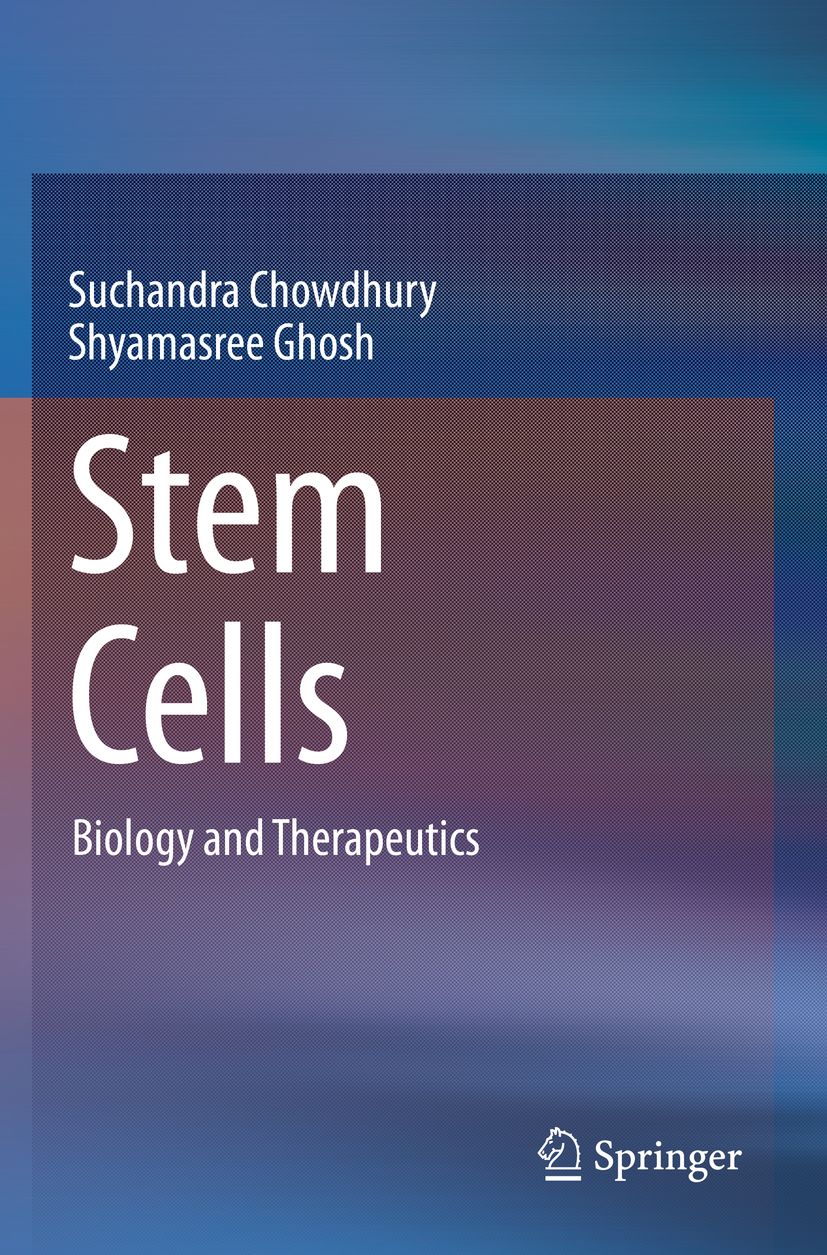
This book explains
how stem cells can be used in medicine, therapy, and biotechnology. It covers how stem cells work, how to grow and store them, and introduces new topics like glycosylation. It also looks at how stem cells help treat cancer and spinal injuries and includes plant stem cells and their role in regeneration. The book is useful for doctors, students, and researchers in medicine, biotech, and plant science.

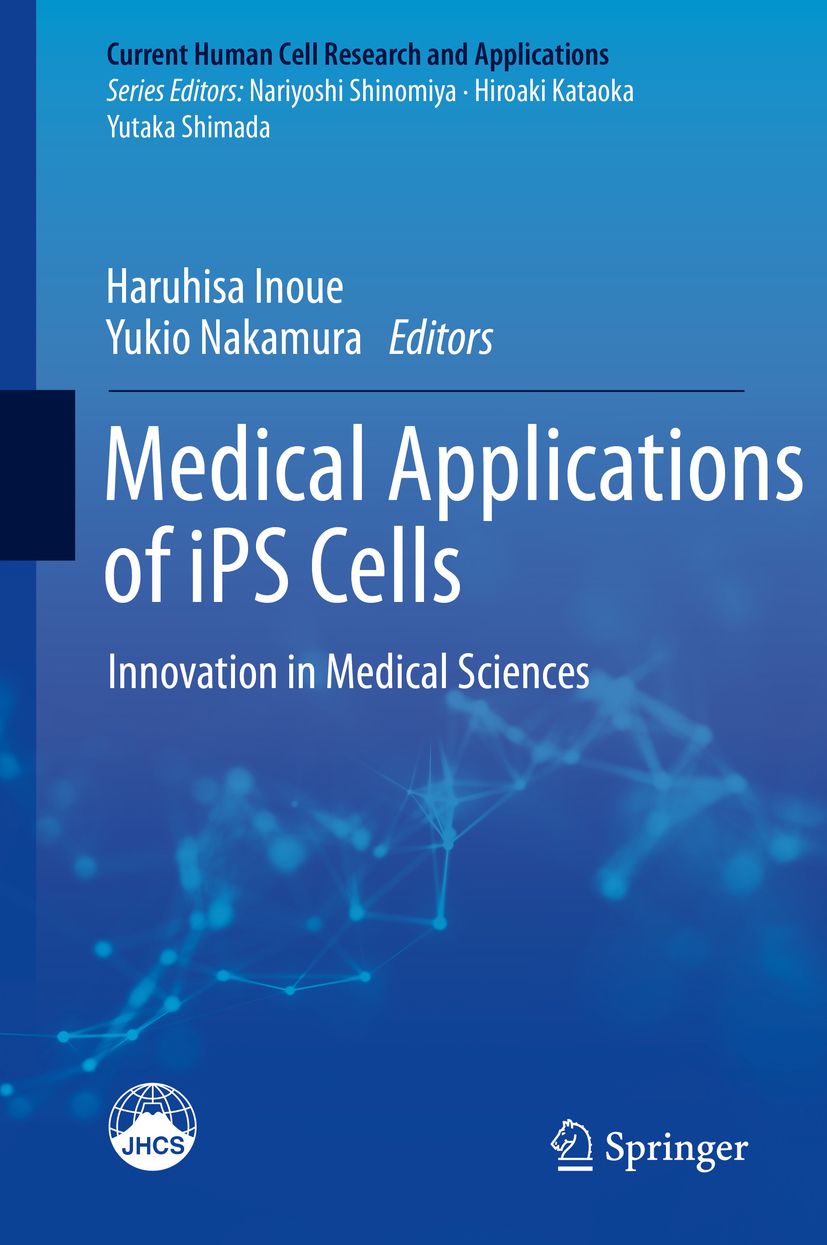
This book explains
how iPS cells are used to study diseases and develop new treatments. It covers recent advances and technologies that improve iPS cell research, while also noting current challenges. It aims to interest more researchers and clinicians in this fast-growing field.

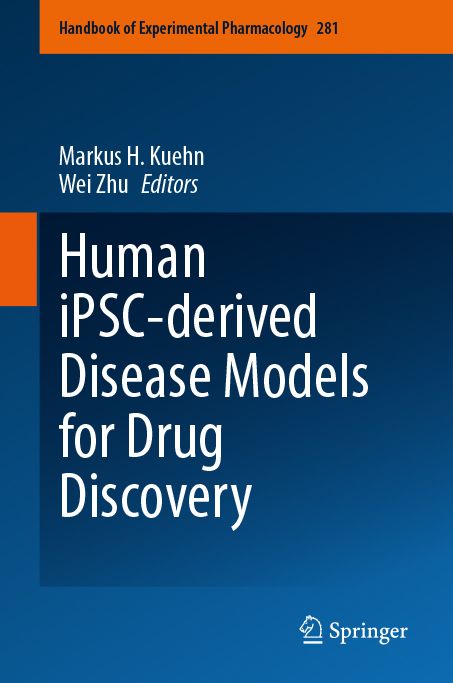
This book explains
iPSCs (induced pluripotent stem cells) have transformed disease research and regenerative medicine. They can produce many cell types, including hard-to-get ones like neurons and heart cells. iPSCs can be taken from patients or edited to model diseases. New tools like 3D printing help create organ-like structures for study. iPSCs also show promise for treating diseases where cells are lost, such as heart failure or vision loss.


 Built with Shorthand