



2006
Twitter takes flight
Global event
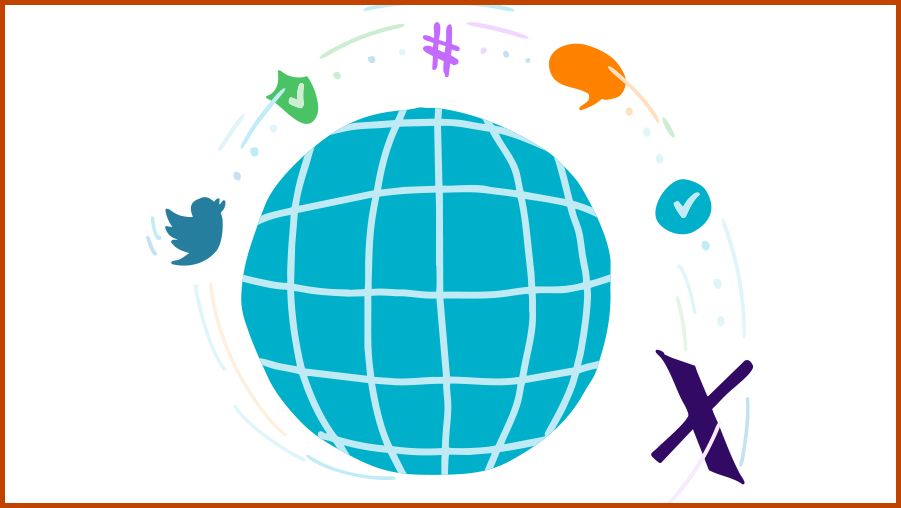
Twitter (now X) launched in 2006 as a microblogging service, where users would share their thoughts in (at first) 140 characters. It grew into one of the world’s most influential social media platforms, not only for sharing news, but for using hashtags to mobilise communities and influence public discourse.
Societal, political, and scientific relevance
Over the years, Twitter played a key role in historic social and political movements such as the Arab Spring, #MeToo, and #BlackLivesMatter, debates over misinformation and freedom of speech, but also transforming journalism, as news stories could gain traction on Twitter before reaching formal news media. You see its influence in journalistic practices, political discourse (particularly the 2016 US presidential election), but also in business and marketing.
“Social media transformed the way we interact, communicate, and mobilise in every possible way. It has touched absolutely every aspect of life. It makes it much easier to communicate and collaborate across borders and oceans. The world has shrunk, and that leads to lots of advantages, but also disadvantages”
In 2022, Elon Musk purchased Twitter, and shortly thereafter changed its name to “X.” Further well-reported changes at the company raised new questions about platform governance and online discourse moderation. In response, the EU passed new regulation, including the Digital Services Act.

Impact on research and education
Soon after Twitter became an influential global platform, researchers attempted to keep pace with this new form of mediated communication, studying online communities, misinformation, and the power of algorithms.
Role of Springer Nature books
Springer Nature eBooks helped advance research in these areas by covering topics that matter, providing researchers and educators with trusted, in-depth knowledge, helping them navigate this new, hyperconnected world.
Book highlights

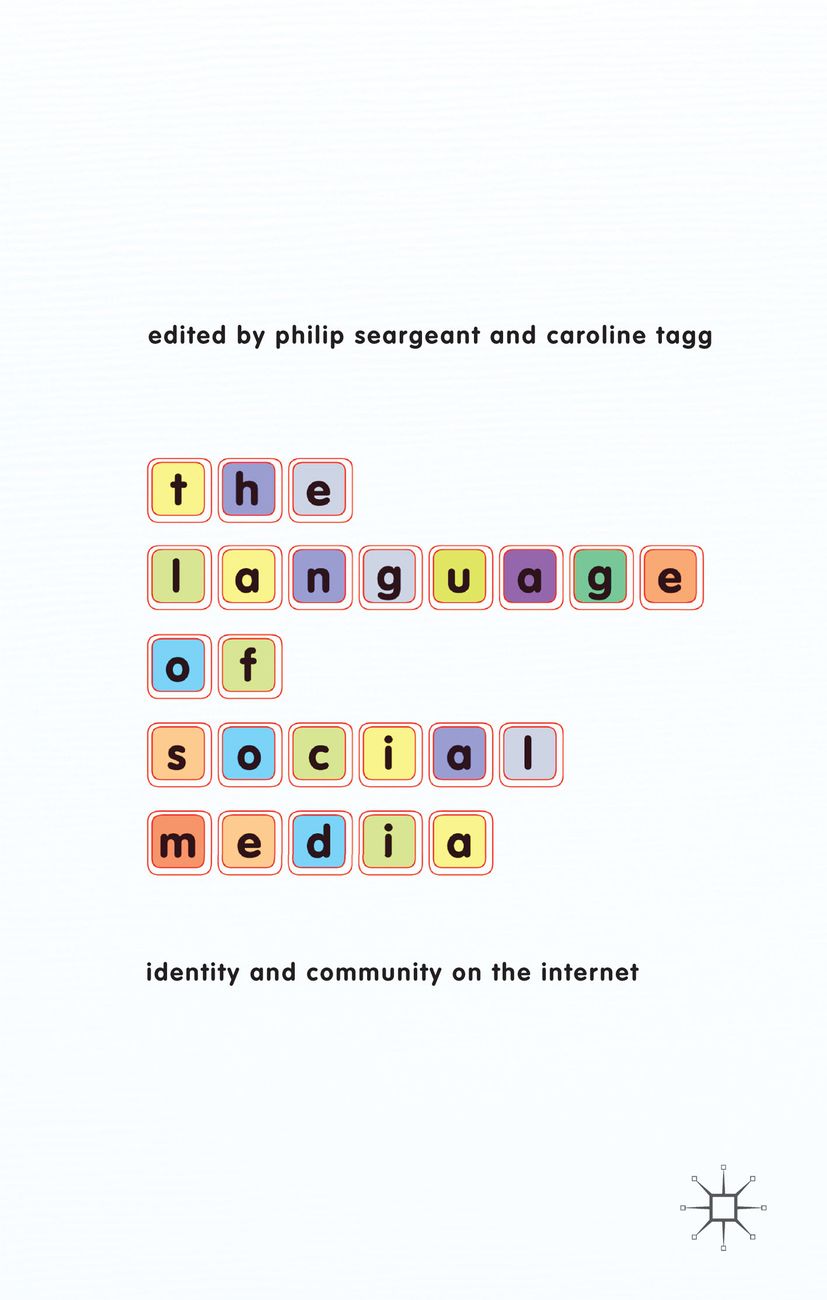
This book explains
language on social media sites including Facebook and Twitter. Studies from leading language researchers, and experts on social media, explore how social media is having an impact on how we relate to each other, the communities we live in, and the way we present a sense of self in twenty-first century society.

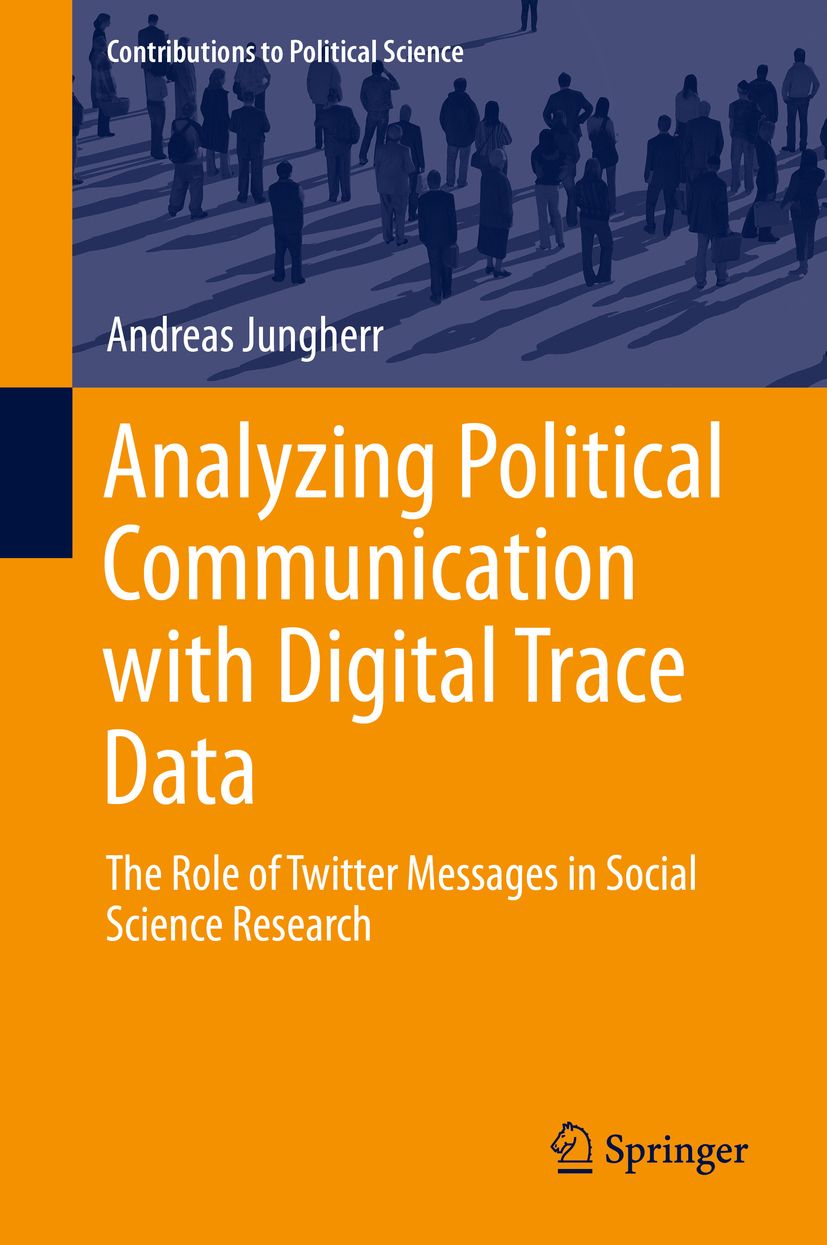
This book explains
how digital trace data from online political interactions can be used to analyze election campaign communication. It presents a framework that accounts for user behavior and mediating factors, illustrated through a study of Twitter activity during Germany’s 2009 federal elections. The book is aimed at scholars and practitioners in political communication.

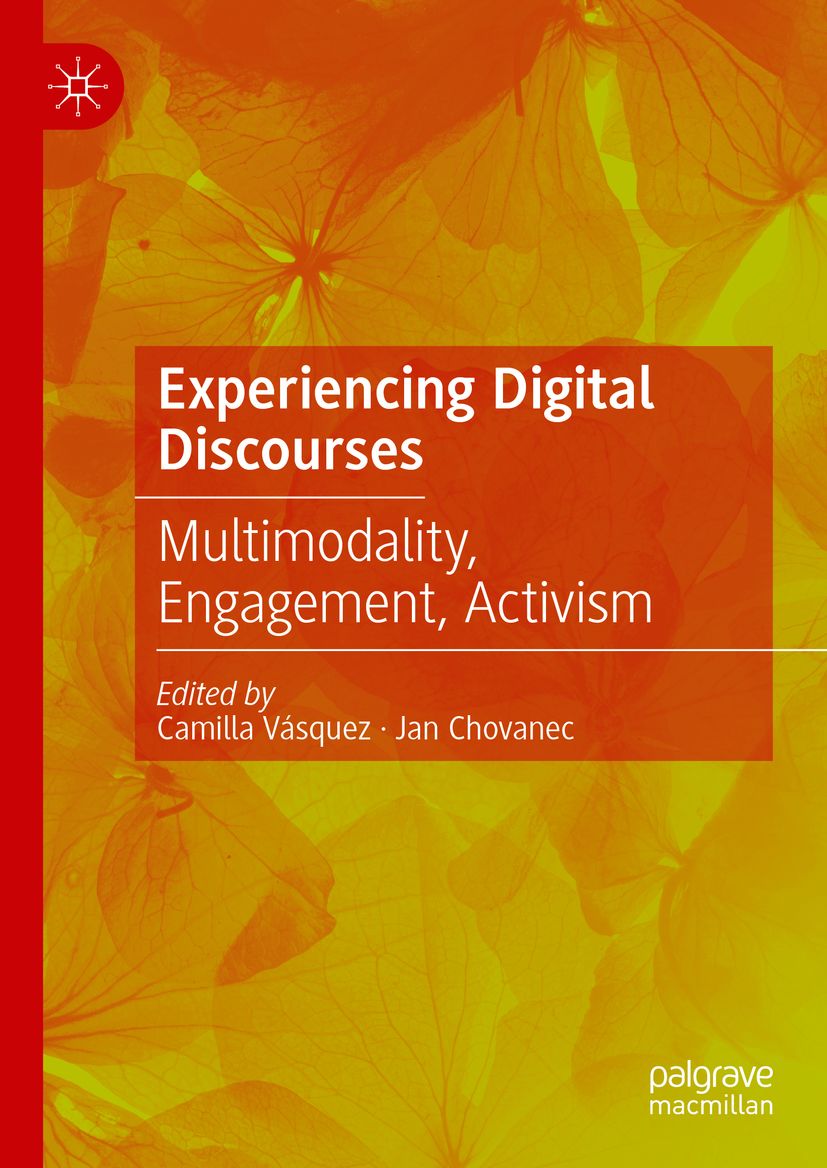
This book explains
current trends in digital discourse analysis through the lens of ‘digital experiences’—how users engage, communicate, and mobilize online. Covering topics like internet humor, WeChat stickers, QAnon forums, and Twitter activism, it explores user engagement, multimodal communication, and online activism. It’s relevant to linguists, media scholars, and researchers in digital communication.


 Built with Shorthand